
Last updated October 31, 2026
 Kitchen remodeling
 Bathroom remodeling
 Home additions & ADU
 Roofing
 Windows & doors
 Driveway & pavers
 Fence
Free written scope consultation - allowances, timeline, and change-order rules on paper before a single trade is scheduled
General Contractor Troubleshooting: Common Problems and How to Fix Them
The most common complaint filed with the California Contractors State License Board isn’t fraud. It’s “failure to complete.” That phrase almost always traces back to a contract that never defined what “complete” meant in the first place. In Santa Cruz, where coastal moisture complicates exterior work and older hillside homes hide structural surprises, undefined scope is the single biggest predictor of a remodel that stalls, spirals, or ends in a dispute. This guide walks through the real problems homeowners hit mid-project, why they actually happen, and the specific fix for each one. We’ll cover delays, material substitutions, permit issues, scope changes, subcontractor problems, and payment disputes, each diagnosed by root cause, not surface symptom.
Quick Answer
Most general contractor problems are fixable if you catch them early. The fix usually starts with a written change order, a documented conversation, or a permit status check. The problems that aren’t fixable almost always involve unlicensed work, cash flow trouble, or a contract that was too vague to enforce from day one.
Styles & brands we work with
Table of Contents
- Problem 1: The Project Is Delayed and Nobody Can Tell You Why
- Problem 2: Materials Show Up That You Didn’t Approve
- Problem 3: “The Permit Is in Process” Has Been Said for Six Weeks
- Problem 4: You Want to Change Something Mid-Build
- Problem 5: Subcontractor Quality Just Dropped
- Problem 6: The Payment Schedule Is Out of Sync with the Work
- Problem 7: The Work Is Done but You Aren’t Sure It Was Done Right
Problem 1: The Project Is Delayed and Nobody Can Tell You Why
Delays are the most common mid-project complaint in Santa Cruz, and they fall into two very different categories. The first is scheduling failure, which is annoying but fixable. The second is cash-flow or licensing trouble, which is a serious red flag. The difference matters enormously, because the first gets resolved with a conversation and the second usually ends with a lawyer or an empty job site.
A scheduling failure looks like this: you call your contractor on Monday, they tell you the tile crew is finishing another job and will start Thursday. Thursday becomes Monday. Monday becomes “we’re waiting on the countertop fabricator.” Each delay has a reason attached to it. The reason might be weak, but there’s a chain of accountability you can trace. This is fixable. You fix it by putting the schedule in writing, with dates, and reviewing it together every week.
A cash-flow or licensing problem looks different. The framing crew walks off the job and nobody replaces them for two weeks. Your contractor stops answering texts for days. A supplier calls you directly asking for payment because the contractor hasn’t paid them. A lien notice shows up in your mailbox. These are not scheduling failures. These are signs your contractor is undercapitalized, overextended, or unlicensed. In California, an unlicensed contractor cannot legally collect payment over $500 for a project, which is precisely why you should verify a license before signing anything. For how to hire a construction contractor in Santa Cruz: a step-by-step guide, start with that verification. The Contractors State License Board maintains a public database. Use it.
Our advice after years of working on home remodeling projects in Santa Cruz: if the delay has a person attached to it, you can work with it. Get the updated schedule in writing, confirm the revised completion date in an email, and move forward. If a delay is vague, keeps shifting, and comes with dodged phone calls, document everything and contact the CSLB.
How to Confirm the Delay Is Legitimate
- Ask for the written schedule showing the critical path. If there isn’t one, ask for a two-week lookahead.
- Get the name and phone number of the subcontractor causing the delay, then call them yourself to confirm.
- Check whether the delay involves a material that is genuinely backordered. You can verify this with the supplier if you know the brand and model number.
- If it’s weather-related, ask for the specific weather condition and the cutoff threshold in the contract.
- If none of these produce a concrete answer within 48 hours, send a written request for a revised completion date and a written explanation of the delay’s cause.
We always recommend homeowners get a written schedule before work starts, not after. A contractor who can’t produce a schedule before demolition shouldn’t be trusted to manage one after it. On our Santa Cruz projects, we run schedules through a project management system that ties each line item to a subcontractor and a material order. If a cabinet line like KraftMaid or a countertop slab from Cambria has a lead time, the schedule reflects it before the first hammer swings.
Problem 2: Materials Show Up That You Didn’t Approve
This is one of the most frustrating experiences in residential construction: you agreed on specific materials during the design phase, and when the boxes arrive, they’re a different brand, a different line, or a lower grade. You notice because you picked the original material. Now you’re staring at a substitution and wondering if you’re being cheated.
Here’s your legal position in California: any material substitution that changes the value, quality, or performance specified in your contract must be disclosed and approved in writing. A contractor who swaps in a cheaper faucet, a different cabinet line, or a thinner window without telling you is breaching the contract. You don’t have to accept it. You have every right to demand the specified product or a written change order reflecting a credit for the difference.
That said, not every substitution is fraud. Some are legitimate. A product gets discontinued. A manufacturer changes a series. A lead time stretches from six weeks to sixteen weeks, and the substitution keeps the project moving. The difference is always disclosure. A good contractor calls you, shows you the alternative, explains the price difference, and gets your sign-off. A bad contractor makes the swap silently and hopes you don’t notice.
When we specify materials on a Santa Cruz renovation, we write exact product codes into the contract, not just brand names. “Kohler faucet” is not a product. “Kohler Artifacts K-99259-CP in polished chrome” is a product. “Delta shower valve” is vague. “Delta Trinsic T14459-SS in stainless” is enforceable. This specificity protects everyone. You get exactly what you approved. We get a clear specification to order against. If a product is unavailable, the code shows it immediately, and we can propose an alternative with a clear comparison.
What to Do When an Unapproved Substitution Shows Up
- Photograph the substituted material immediately, including the product label on the box or packaging.
- Compare it against the written specification in your contract. Find the exact line item.
- Email your contractor the same day with photos and the contract language. State that you did not approve the substitution.
- Ask for one of two resolutions: the specified product installed at no additional cost, or a written change order with a price credit for the difference.
- If they refuse both, pause that portion of the work and consult the CSLB about your options. In California, you have legal protections against unauthorized substitutions.
This is also why we encourage clients to spec brands like Toto, American Standard, Delta, and Blanco by model number. When a plumbing fixture arrives, you should be able to check the SKU against your contract. No mystery, no ambiguity. You picked the look. We make sure the materials match the decision.
Problem 3: “The Permit Is in Process” Has Been Said for Six Weeks
“The permit is in process” might be the most abused phrase in residential contracting. In Santa Cruz, where the permitting process runs through the city’s building department, the truth is verifiable in about five minutes. You don’t have to take anyone’s word for it.
Here’s what actually happens in Santa Cruz. When a contractor submits a permit application, the city assigns it a permit number. That number is public. You can look it up through the city’s online permit portal with the property address. If a permit application has been submitted, it shows as “in review” or “pending.” If it shows nothing, nothing has been filed. There is no gray area. A contractor who says “the permit is in process” for six weeks while the portal shows no application is either not being honest with you or not managing their paperwork. Neither is acceptable.
Some projects genuinely take a while. Plan review in Santa Cruz can run several weeks depending on the scope and the department’s current load. Coastal requirements, hillside setbacks, and older home structural reviews can add time. That’s all normal. But “normal” still comes with a record. If a permit is actually in process, there’s a number attached to it, and you can see the status change over time.
The real danger is a contractor starting work without a permit at all. In California, doing structural, electrical, plumbing, or mechanical work without a permit is illegal. It can also void your homeowner’s insurance and create problems when you sell. If your contractor has started work and there’s no permit on file in Santa Cruz, stop the work and sort it out immediately. A licensed contractor who is willing to do unpermitted work is not a contractor you want on your property.
How to Verify Permit Status in Santa Cruz
- Go to the City of Santa Cruz Building and Safety Division’s online permit portal.
- Search by your property address.
- Look for any active permit applications or issued permits associated with your project scope.
- If you see nothing, ask your contractor for the permit application number. They should have it within 24 hours of filing.
- If they can’t produce a number within 48 hours, contact the building department yourself and ask whether a permit application has been filed for your address.
Our position at Spruce Contractors is simple: permits get pulled before work starts, every time. On a home renovation in Santa Cruz, the permit is part of the contract scope. We don’t treat it as an afterthought. You should be able to see your permit number in the first week, and the city inspection schedule should be shared with you as inspections are scheduled. It’s your house. The paper trail is yours, too.
Problem 4: You Want to Change Something Mid-Build
Scope changes are probably the most stressful moment in any remodel. You walk through the half-finished kitchen, and you realize the island is too big, or you want the backsplash to run to the ceiling, or you’ve changed your mind about the flooring. Now comes the part everyone dreads: the change order conversation.
Change orders don’t have to be wars. They become wars when the original contract was too vague, when the contractor didn’t document the baseline scope, or when the contractor treats every change as an opportunity to inflate the price. In California, any change to scope or price should be documented in a written change order signed by both parties. Verbal agreements don’t hold up well, and both sides have an interest in writing things down.
Here’s the quote we use with our clients: “We can change anything. We just have to change the paper before we change the work.” That means when you want to move a wall, we re-draw it, re-price it, and get your signature before the framer touches it. It protects you from surprise charges. It protects us from doing work you didn’t actually authorize. The change-order war starts when a homeowner assumes the change is free or minor, and the contractor assumes the change is a major cost that will be billed later. Write it down first, and the war disappears.
How to Make a Change Request Without Triggering a Fight
- Walk the site with your contractor and point to exactly what you want changed. Be specific: “I want this wall moved 18 inches toward the dining room” not “I want more space.”
- Ask for the written change order before any work starts. It should itemize the additional cost, the additional time, and any material changes.
- Read the change order line by line. If something isn’t clear, ask. Don’t sign until you understand every line item.
- If the change affects materials, confirm the new products are specified by brand and model. A scope change is the moment to nail down things like the Delta sink or the American Standard toilet by exact SKU.
- Sign the change order and keep a copy. The change is now part of the contract, and everyone has the same understanding of what “new scope” means.
We run into this all the time on whole-home remodels in Santa Cruz. A homeowner sees the framing and realizes the sightline is different than they imagined. That’s normal. What matters is that the paper catches up to the new plan before the work does. The worst outcome isn’t a change; it’s a change that was never documented, surfacing as a surprise charge at the end.
Problem 5: Subcontractor Quality Just Dropped
Every general contractor uses subcontractors. The tile installer, the electrician, the roofer, the painter: these are typically licensed tradespeople who work under the GC’s supervision. When their quality drops, it usually shows up as sloppy trim work, uneven tile lines, paint overspray, or electrical boxes that don’t sit flush. Homeowners notice. The question is what to do about it.
Start by talking to your general contractor. Not the subcontractor. The sub works for the GC, not for you. Your contract is with the GC, and the GC is legally responsible for the sub’s work. This is actually one of the core reasons to hire a licensed general contractor rather than trying to coordinate trades yourself: the GC holds the liability, the relationship, and the accountability for every trade on site. When a sub’s work drops, the GC is the one who needs to fix it.
The conversation should be documented and specific. Don’t say “the tile installer isn’t doing good work.” Say “the tile on the north wall of the shower is out of plane by a quarter inch over four feet, the grout lines are inconsistent, and I’d like it corrected before the rest of the tile goes up.” Specific, photographic, and clear. A good GC walks the area with you, sees the problem, and takes care of it. They might redo the work, replace the sub, or bring in a specialist to fix the issue.
When to Escalate to the CSLB
- You’ve documented the issue in writing and the GC has taken no corrective action within a reasonable time.
- The sub’s work is a code violation (electrical, plumbing, structural) and the GC refuses to pull an inspection.
- The GC stops responding to your written requests to correct substandard work.
- The same sub repeatedly produces poor work and the GC keeps using them without remediation.
- You’ve paid for work that was never performed or was performed so poorly it must be fully redone.
We manage subcontractors on every general contractor project in Santa Cruz with the same standard: a sub either meets our quality bar or they’re off our job. That’s our job as the GC. You shouldn’t have to negotiate with a tile installer you didn’t hire. You hired us to manage the work, and that includes managing the people who do it. If you’re in a situation where your GC won’t address sub quality, document it, put it in writing, and know that the CSLB has a complaint process designed for exactly this.
Problem 6: The Payment Schedule Is Out of Sync with the Work
Payment disputes destroy more remodels than any other single issue. The most common version: a contractor asks for the next draw, the homeowner looks at the site and thinks the work doesn’t match the money, and both sides dig in. This is almost always a contract problem, not a people problem. The payment schedule wasn’t defined clearly enough at the start.
In California, contractors cannot ask for more than 10% or $1,000 as a down payment (whichever is less). After that, payment should follow completed milestones, not time elapsed. A good contract ties each draw to a specific, verifiable milestone: slab poured, framing inspected, drywall hung, cabinets installed, final inspection passed. That way, when a payment request comes in, you walk the site together and look at whether the milestone is actually complete. No ambiguity, no argument.
If you’re mid-project and the payment schedule feels off, fix it before the next draw. Ask your contractor to walk the job with you and show you exactly what work has been completed against the schedule. If there’s a mismatch, negotiate the draw amount down to match the actual progress. This is normal, and a reasonable contractor will work with you. A contractor who refuses to walk the site or insists on payment for unfinished work is signaling a problem.
Our payment schedules on Santa Cruz projects are tied to specific milestones with written descriptions. “Rough electrical and plumbing complete, ready for insulation inspection” is a milestone. “Work continues” is not a milestone. When a homeowner hires us, they know exactly when each payment is due and exactly what they’ll see completed before they write the check.
Red Flags in a Payment Schedule
- Large down payment requests above the California legal limit.
- Draws tied to calendar dates rather than completed work.
- Requests for payment in cash only, with no paper trail.
- Draw requests that arrive before the associated work is visibly complete.
- A contractor who asks you to pay subcontractors or suppliers directly while still collecting a GC fee.
Problem 7: The Work Is Done but You Aren’t Sure It Was Done Right
This one is common on remodels in Santa Cruz because so much of the critical work is hidden once the finishes go on. Waterproofing behind tile, flashing around windows, air sealing before insulation, the condition of the subfloor before flooring goes down. If you weren’t there for the in-progress inspections, you’re now looking at a finished surface and hoping what’s underneath is right.
The honest answer: you shouldn’t have to hope. You should have a paper trail of passed inspections. In Santa Cruz, structural, electrical, plumbing, and mechanical work all require city inspections. If those inspections passed, the work in the walls was reviewed by a city inspector. That’s not a guarantee that every detail was perfect, but it’s a meaningful baseline. If work was done without inspections, you have no independent verification, and that’s a problem.
Beyond inspections, a good contractor provides a walkthrough at completion with a written punch list. Walk the project together, room by room, and write down everything that isn’t right. A crooked cabinet door, a paint drip, a grout crack, a window that doesn’t lock. Everything. Then the GC works through the punch list until it’s done. This is standard practice, and a contractor who resists a punch list or says “we don’t do punch lists” is telling you something important about their standards.
We use specification-grade materials on our projects, which means the brands often require specific installation methods. Schluter waterproofing systems, for example, have detailed installation requirements that we follow because the warranty depends on them. If a homeowner asks us “was the shower waterproofed right,” we can show them the Schluter membrane installed, the flood test passed, and the city inspection record. That’s the kind of evidence you want at the end of any project.
What to Actually Check at Final Walkthrough
- City inspection records for structural, electrical, plumbing, and mechanical work. Ask for copies or verify through Santa Cruz’s permit portal.
- Manufacturer warranty paperwork for major materials like windows, shingles, and appliances.
- Function of every door, window, drawer, and cabinet. Open and close everything.
- Water flow and drainage at every fixture. Look under cabinets for leaks.
- Paint lines, trim joints, caulk beads, and transition strips. These finish details reveal the underlying care.
Common Mistakes to Avoid
- Signing a contract without a detailed scope of work. If the contract says “remodel kitchen” without listing each trade, material, and finish, you’re signing up for an argument later. A real scope of work runs several pages and includes brand names of products. “Remodel kitchen” is three words. A kitchen remodel is three months.
- Hiring an unlicensed contractor to save money. In California, an unlicensed contractor cannot legally collect payment over $500. If the person you hire disappears with your deposit, the CSLB can’t help you recover it because they weren’t licensed in the first place. You also lose warranty and lien protections.
- Paying for work before it’s completed. Tying payments to verbal promises instead of written milestones is how homeowners end up overpaying for work that never happens. California law limits the down payment, and your contract should stretch the rest across verifiable completions.
- Letting concerns fester instead of documenting them. The moment you feel uneasy about a delay, a substitution, or a sub’s work, write it down and send it to your contractor. A paper trail is your strongest protection. A conversation without documentation is just a memory.
- Not verifying permits. In Santa Cruz, you can check permit status online in minutes. Trusting a contractor’s word on permits without checking is like trusting a mechanic’s word on a repair without looking at the car.
- Making verbal change orders. “Yeah, let’s do the bigger island” is not a change order. It’s a misunderstanding waiting to happen. Everything that changes the scope or price should be written, signed, and attached to the contract.
- Skipping the pre-construction walkthrough. Before anyone swings a hammer, you and your contractor should walk the site together and document the existing condition. Cracks in the driveway, existing water stains, window operation. This is your baseline. Without it, “that damage was already there” becomes an argument nobody can win.
See the difference
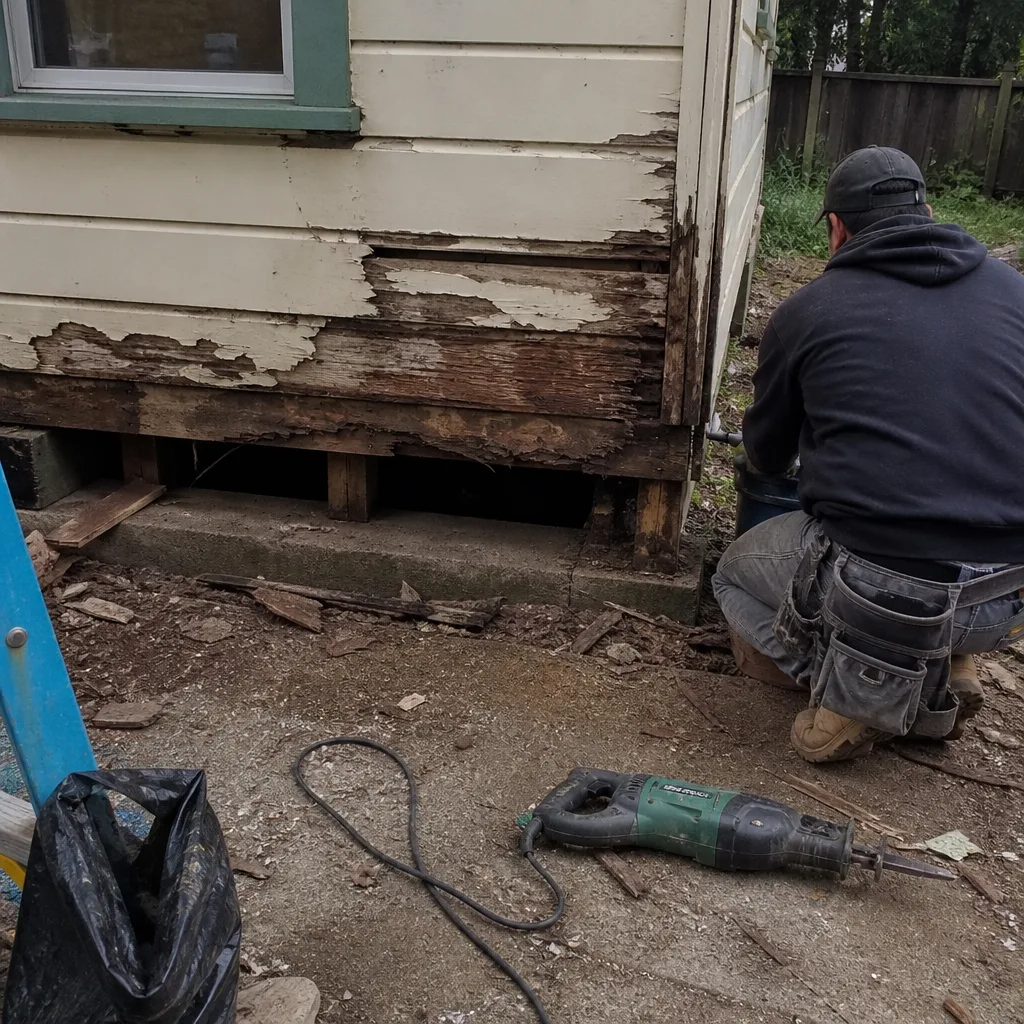 Before
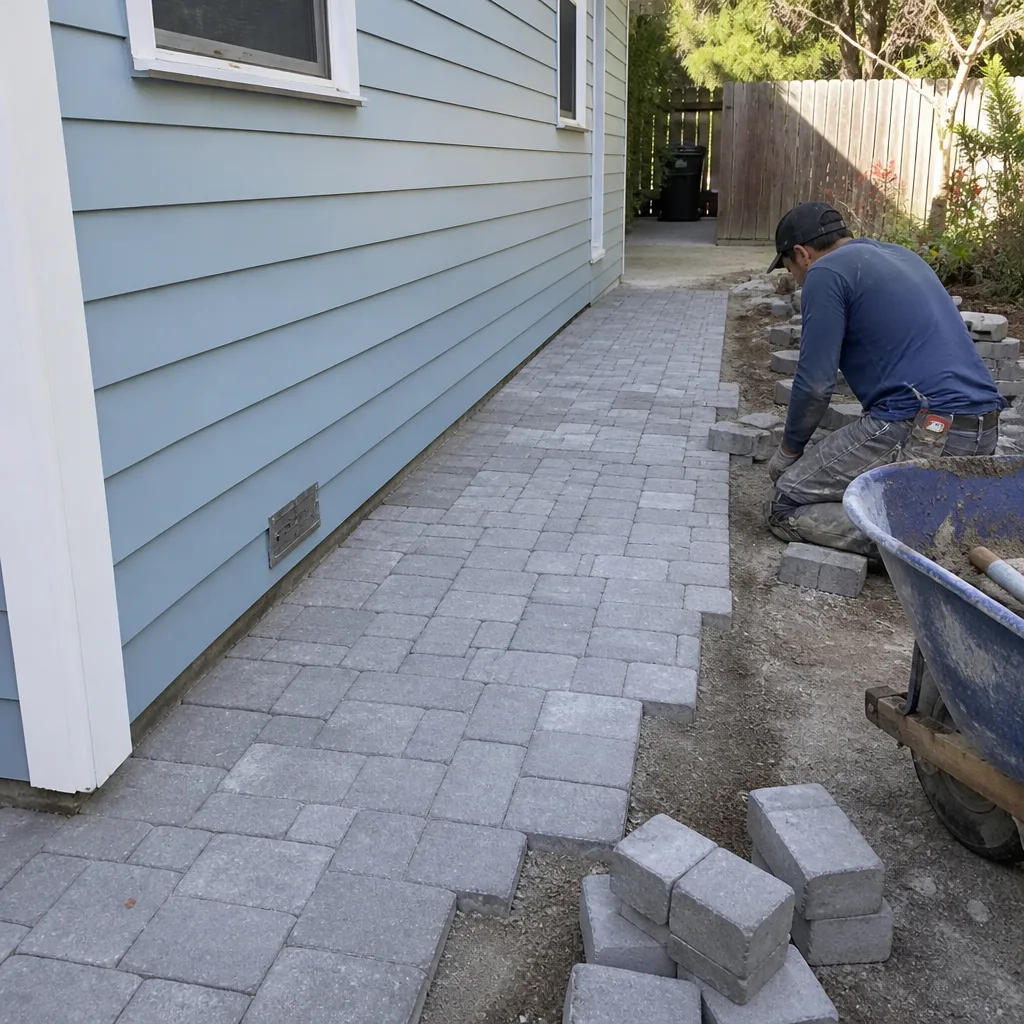 After
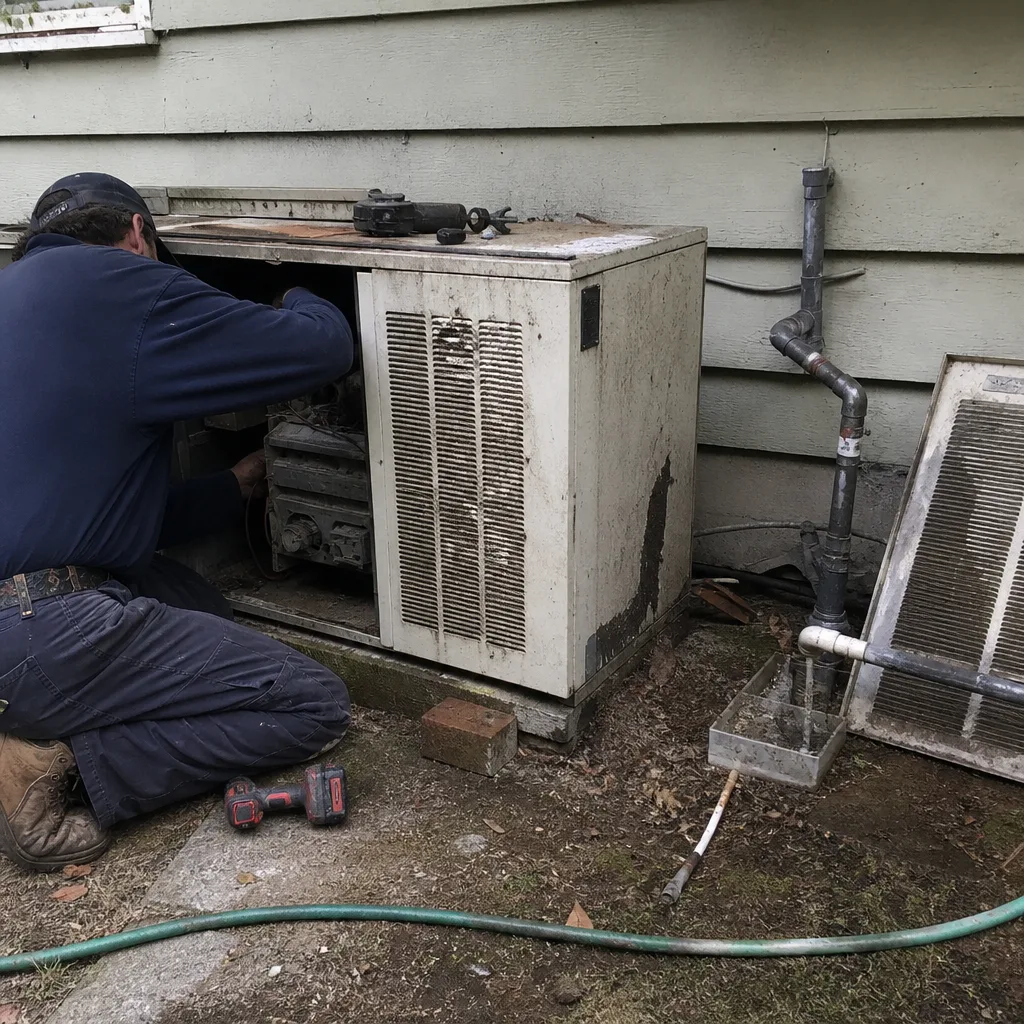 Before
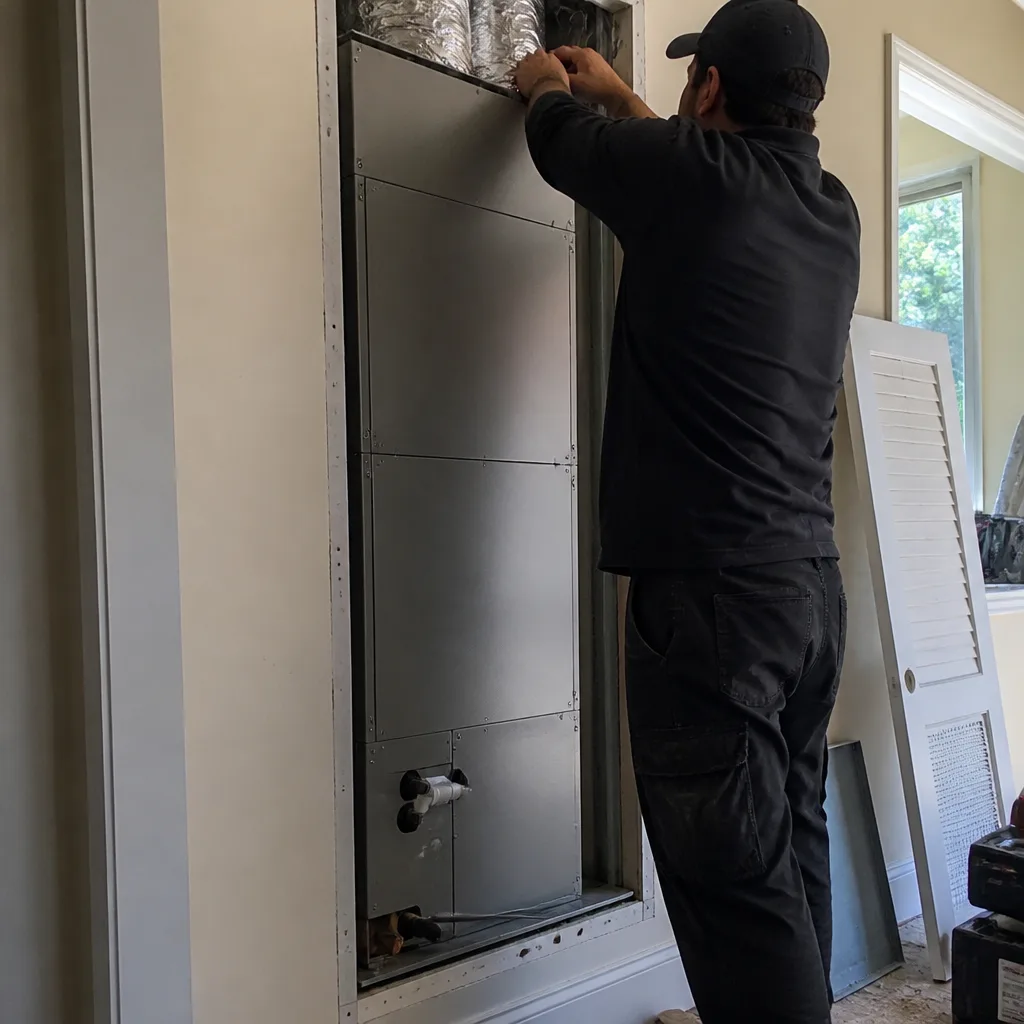 After
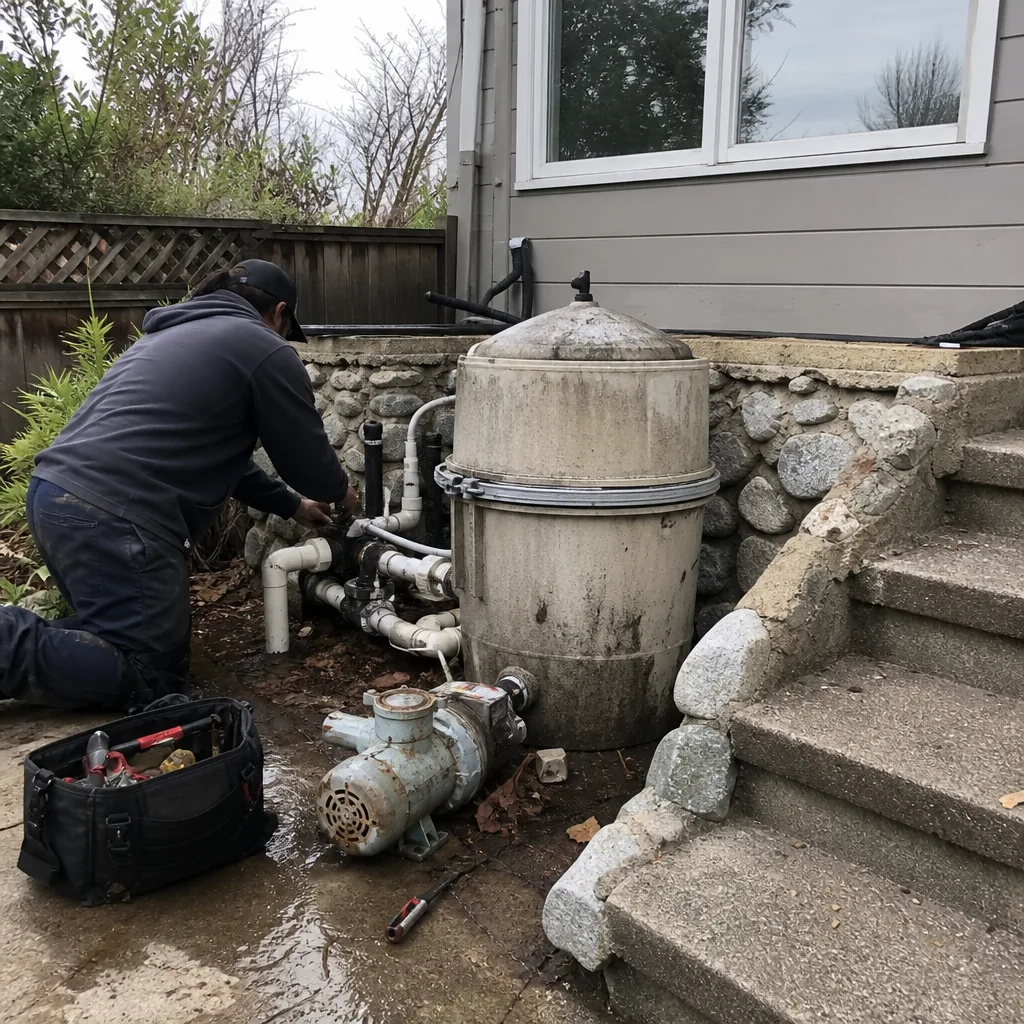 Before
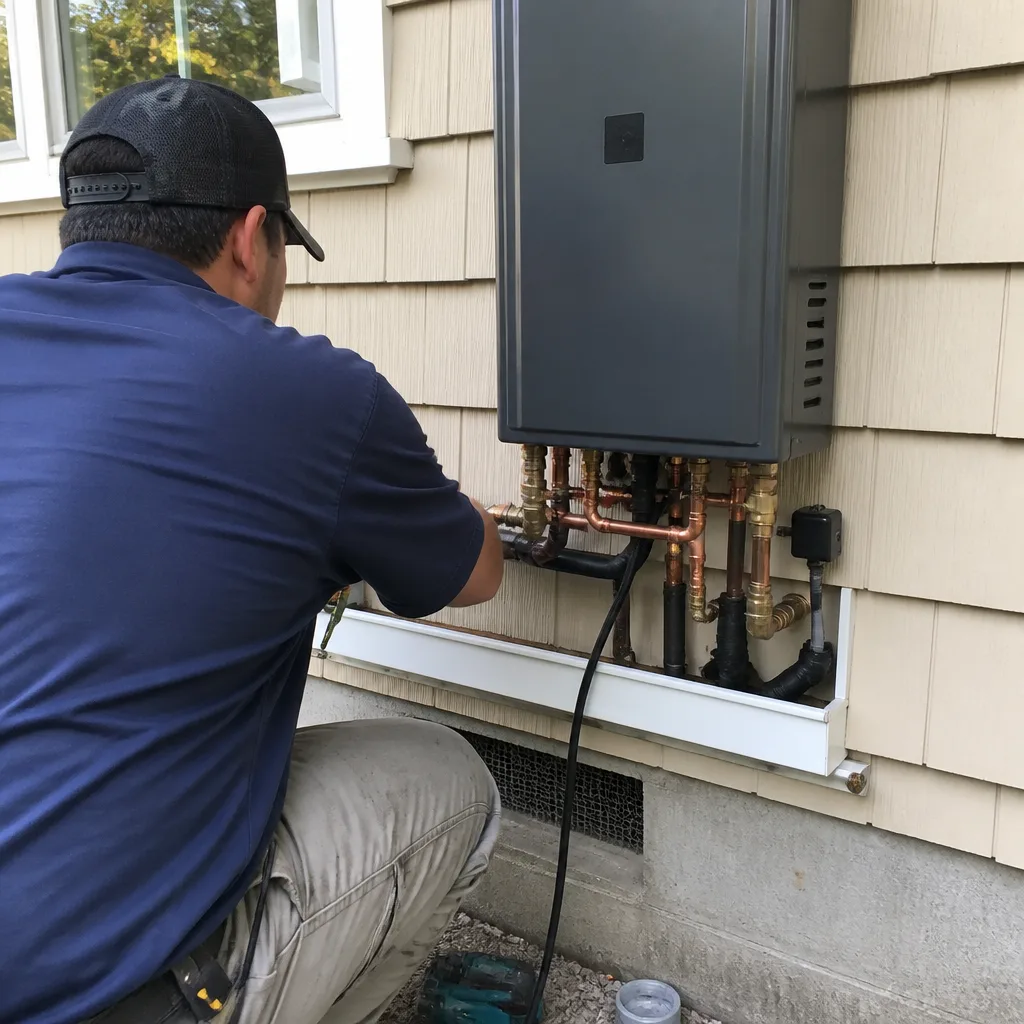 After
When to Call a Professional
If you’ve hit a problem you can’t resolve with a conversation, it’s time to get professional help. This means different things at different stages. If you’re still in the planning phase and want to avoid these problems entirely, hire a general contractor who writes detailed scopes of work, pulls permits properly, and manages subcontractors with a quality standard. If you’re mid-project with a contractor who won’t respond to documented concerns, contact the California Contractors State License Board to understand your options. And if you’re looking for a second opinion on a current project, you can hire another licensed GC for a site assessment. Spruce Contractors offers free estimates in Santa Cruz, call (877) 265-5771 if you want a clear-eyed look at your project.
Frequently Asked Questions
The cost to fix a contractor’s mistakes depends entirely on what went wrong. Minor cosmetic fixes like repainting a wall or redoing caulk might run a few hundred dollars. Structural fixes, electrical rewiring, or waterproofing failures can run tens of thousands. The most expensive fixes are the ones hidden behind finished surfaces: a shower that wasn’t waterproofed properly, a roof deck that wasn’t flashed, a foundation issue that wasn’t addressed. This is why it’s cheaper to hire a contractor who gets it right the first time than to pay someone else to tear it out and redo it. If you’re wondering about your specific project, call (877) 265-5771 for a free estimate. We’ll give you an honest assessment.
Yes, you can fire a general contractor mid-project in California, but the process is governed by your contract. Most contracts have termination clauses that specify how termination works, including payment for work completed and handling of materials on site. Before terminating, document everything: the reasons for termination, the current state of the work, photos of everything, and a copy of every payment and communication. You’ll likely need to hire another contractor to finish the work, and they’ll want to see the project’s history. You may also need to file a complaint with the CSLB if the termination involves fraud, abandonment, or unlicensed work.
A good change order includes the specific work being changed, the exact products being added or removed (by brand and model where applicable), the additional or reduced cost, the additional or reduced timeline, and signatures from both parties. It should also reference the original contract and describe how the change affects the overall project. If a change order is vague, covers multiple unrelated changes, or doesn’t include a price, ask for it to be rewritten before you sign.
Go to the Contractors State License Board website (cslb.ca.gov) and use their license lookup tool. Enter the contractor’s name or license number, and you’ll see their license status, classification, bonding information, and any disciplinary actions. You can also verify workers’ compensation insurance through the same portal. Never hire a contractor without checking this first. In Santa Cruz, you can also verify permits through the city’s building department portal.
Scope creep is the most common reason. Homeowners add things mid-project: the bigger island, the extra window, the upgraded flooring. Each addition is a change order, and change orders add up. The second most common reason is unforeseen conditions: opening a wall in an older Santa Cruz home and finding dry rot, outdated wiring, or structural damage that was invisible during the estimate phase. A good contractor scans for these during pre-construction and builds contingency into the budget conversation from the start. If you want to understand how to budget properly, call the Spruce Contractors home team at (877) 265-5771 and we’ll walk you through what to expect.
Yes. Santa Cruz sits in a marine climate with persistent humidity, salt air near the coast, and a wet winter season. Materials that work inland can fail here. This is why material selection matters more than most homeowners realize. We specify fiber cement siding like James Hardie rather than some wood options, impact-rated windows where coastal exposure demands it, proper flashing details at every penetration, and waterproofing systems like Schluter behind tile. The right materials survive this climate. The wrong ones show their weakness within a few seasons. A contractor who works locally knows the difference.
The Bottom Line
Most general contractor problems trace back to what happened, or didn’t happen, in the first two weeks of the project. A vague scope of work becomes an argument. An undefined payment schedule becomes a dispute. A skipped pre-construction walkthrough becomes a blame game. The fix is always the same: documentation, written agreements, verified permits, and a contractor willing to put everything on paper. In Santa Cruz, where older homes and coastal conditions add complexity, that discipline matters even more. You should expect it from anyone you hire. If you’re starting a remodel, a renovation, or a full property upgrade, we’d be glad to sit down with you and build the right foundation for it. Call (877) 265-5771 for a free estimate, and we’ll help you get it right from the start.
Written by the team at Spruce Contractors, serving Santa Cruz since 2014. For more guides & resources, visit our blog.