
Last updated October 31, 2026
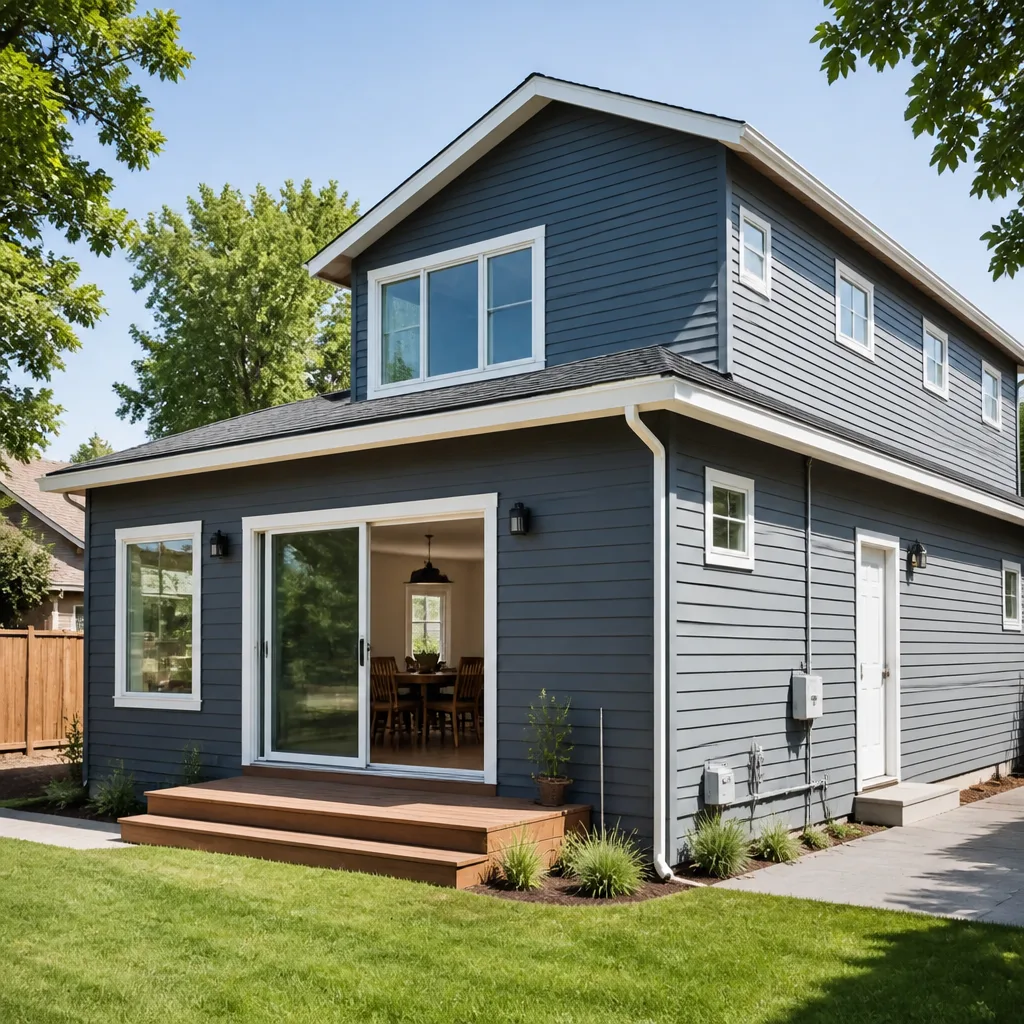 Home additions & ADU
 Kitchen remodeling
 Bathroom remodeling
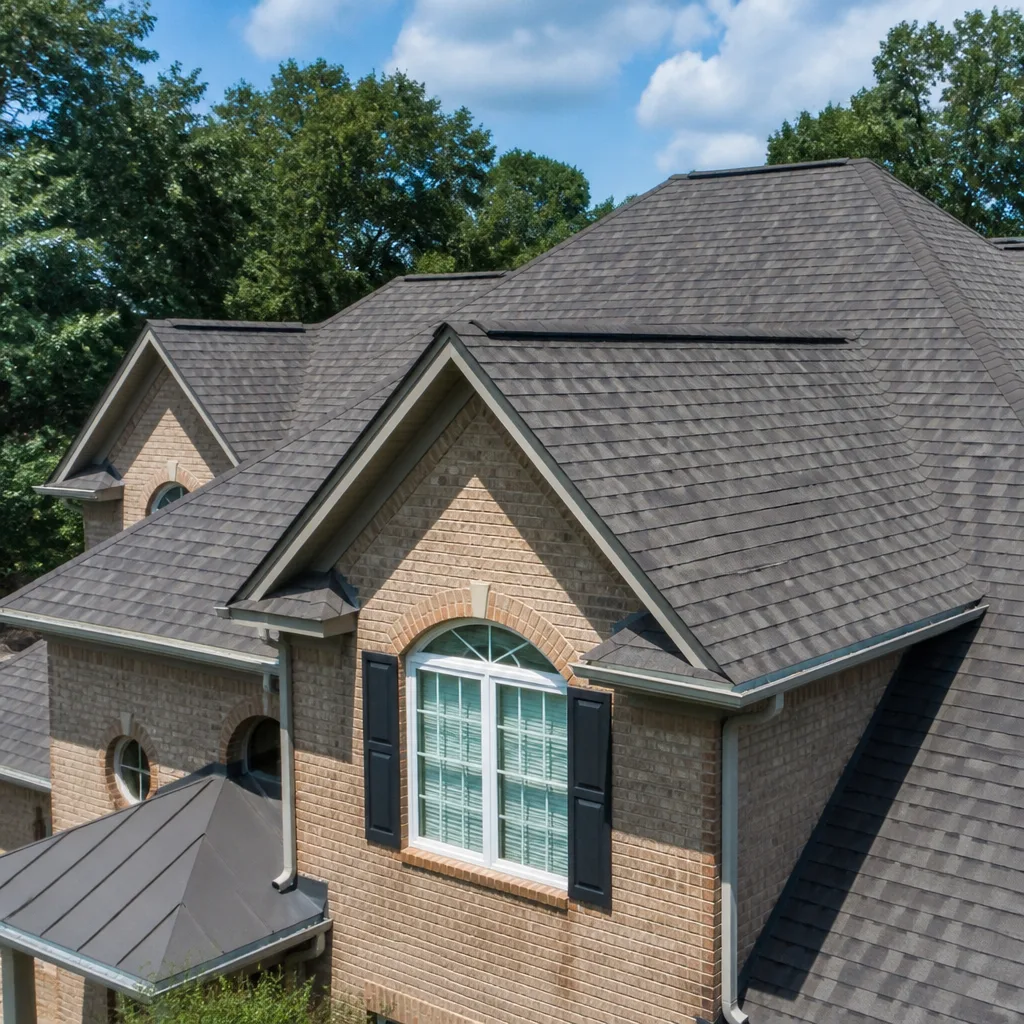 Roofing
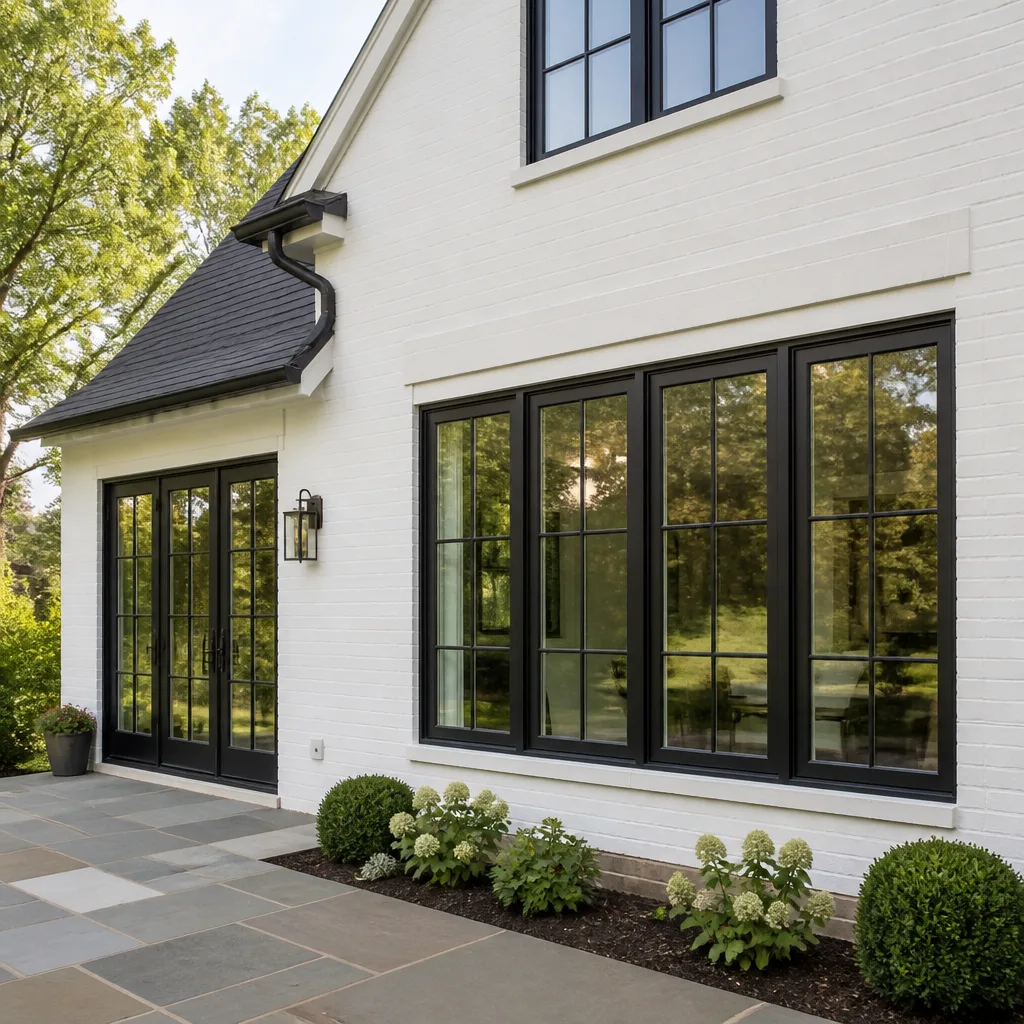 Windows & doors
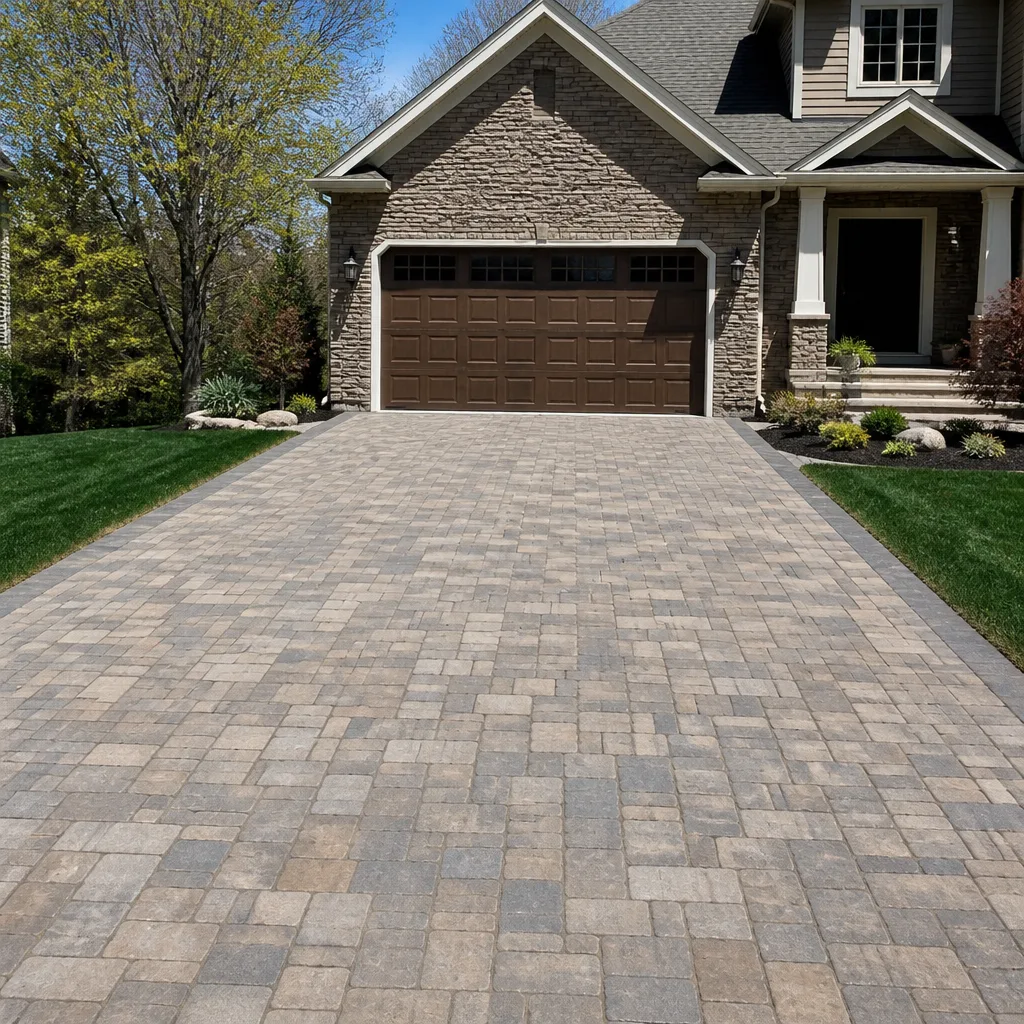 Driveway & pavers
 Fence
Free written scope consultation - allowances, timeline, and change-order rules on paper before a single trade is scheduled
Seasonal Construction Care for Santa Cruz: Year-Round Homeowner’s Guide
Santa Cruz receives nearly 95% of its annual rainfall between November and April. That single statistic reorganizes the entire home maintenance calendar for coastal homeowners. The typical national advice about “spring cleaning” and “fall tune-ups” was written for four-season climates with frozen ground and furnace season. Here, your house fights a different battle: six months of alternating saturation and drying cycles that push water into every micro-crack, failed seal, and worn flashing joint. This guide explains the seasonal rhythm that actually governs Santa Cruz construction care, and for The Complete Guide to Construction in Santa Cruz, see our deeper resource on planning, permits, and project types.
Quick Answer
Seasonal construction care in Santa Cruz works best when you schedule exterior work before mid-October, monitor for active moisture intrusion between November and April, and complete major renovations during the reliably dry May through September window, as detailed in The Complete General Contractor Guide for Santa Cruz Homeowners. The pre-rain window from late August through October is your only protected opportunity for roofing, flashing, caulking, and drainage work before the first storm arrives. Homeowners who miss that window typically wait until the following spring for anything beyond emergency repairs.
Styles & brands we work with
Table of Contents
- The Moisture Calendar: Santa Cruz’s Real Seasons
- The Pre-Rain Window: September Through October
- Mid-Winter Monitoring: What Actually Needs Attention Now
- Spring Post-Rain Assessment: Reading What Winter Revealed
- Summer Construction: Why the Dry Season Is Your Best Window
- Trade-Specific Scheduling: Roofing, Fencing, Concrete, Windows
- Drainage and Hardscape: The Overlooked Seasonal System
- Common Mistakes to Avoid
- When to Call a Professional
- Frequently Asked Questions
The Moisture Calendar: Santa Cruz’s Real Seasons
Forget temperature. A Santa Cruz homeowner who thinks in terms of spring, summer, fall, and winter is working with the wrong tool. What actually matters here is a two-season moisture cycle: a wet season that lasts roughly from November through April, and a dry season that runs from May through October. These two phases drive every construction decision worth making.
The wet season delivers about 25 to 35 inches of rain annually, but it doesn’t distribute evenly. January and February typically bring the heaviest, most sustained storms. March and April taper off but stay damp. May through September can go weeks without a drop, which is why the hillsides turn golden by late summer. Then October arrives as the transition: still mostly dry, but the first atmospheric river can arrive anytime, often without much warning.
What this means for your property is straightforward. Exterior work that relies on dry conditions and proper curing has a defined annual window. Materials respond to the cycle too. Wood framing swells and contracts with humidity shifts. Concrete cures differently at 55 degrees with high moisture than at 75 degrees under coastal sun. Sealants and caulking perform best when applied to dry substrates. Paint needs at least 48 hours of dry weather to cure properly on exterior surfaces. Schedule against the moisture cycle, not against a calendar that was designed for Minneapolis or Boston.
In our experience across Santa Cruz neighborhoods from Live Oak to Aptos to the Westside, the homeowners who internalize this moisture-first calendar spend less on emergency repairs and get better pricing on scheduled work. The ones who wait for “convenient timing” often end up paying rush rates in February when a roof leak becomes an interior drywall emergency.
The Pre-Rain Window: September Through October
The six to eight weeks from late August through mid-October represent the most important scheduling block on your property calendar. This is when exterior work gets completed while conditions are still reliably dry. Once the first significant storm arrives, your options narrow sharply. Roofing contractors stop scheduling re-roofs during the wet season for a reason: installing underlayment and shingles in rain compromises the entire system.
Here is the pre-rain checklist that matters for Santa Cruz specifically:
- Roof and flashing inspection. Walk or hire someone to inspect every flashing point: chimney, skylights, vent pipes, valleys, and the roof-to-wall transition at any dormer or second-story section. Coastal fog and salt air accelerate flashing corrosion here, especially on south-facing exposures. GAF-certified installation practices treat flashing as the first line of defense, not an afterthought. A failed flashing joint is the most common source of roof leaks in Santa Cruz County, and it’s a relatively cheap fix if caught before the rains start.
- Caulking and exterior sealant replacement. Every exterior penetration needs to be examined: window perimeters, door thresholds, hose bibs, electrical penetrations, and any siding joint that has cracked or separated. Silicone and polyurethane sealants last five to ten years in this climate, but UV exposure and salt air shorten that lifespan on west-facing walls. This is the most cost-effective pre-rain work you can schedule.
- Gutter and downspout cleaning plus drainage verification. Redwood and oak debris from surrounding trees clogs gutters quickly, and Santa Cruz neighborhoods with mature tree canopies, like parts of Seabright and the upper Westside, deal with this every autumn. Downspouts should discharge at least three feet from the foundation. If they don’t, add extensions or splash blocks.
- Fence post and hardscape inspection. Wood fence posts set in sandy, fast-draining soil may look fine while dry. But saturated soil reveals rot that dry weather hides. Check for wobble at the base of posts, especially where irrigation runs nearby. Hardscape surfaces should have their grade checked to confirm water runs away from the house, not toward it.
- Exterior paint and trim touch-up. Exposed wood trim, fascia boards, and any bare wood on siding need paint or sealant before November. Raw wood absorbs moisture and begins deteriorating within a single wet season.
If you handle this list by early October, you’ve protected the house for the entire wet season ahead. Miss it, and you’re gambling with interior water damage that costs five to ten times more to repair than the preventive work would have cost.
Mid-Winter Monitoring: What Actually Needs Attention Now
Once the rains arrive in full force, the construction care posture changes. You’re no longer scheduling preventive work; you’re monitoring for active problems and separating urgent issues from deferred items. The distinction matters because emergency response during the wet season carries premium pricing, and you don’t want to pay rush rates for something that can safely wait.
Signs that warrant immediate attention during the rainy months:
- Active water intrusion into living space: water staining on ceilings, water running down an interior wall, puddles forming at the base of a wall, or a musty smell that appears only during or immediately after rain. These indicate a breached building envelope and need same-week response before mold develops.
- A roof leak that spreads beyond a small isolated spot. A small drip that stays contained might be monitored through a storm cycle if you place a bucket and control the moisture. But any leak near electrical fixtures, or any ceiling staining that spreads between rain events, means structural lumber is absorbing water.
- Downspout failure or gutter separation. When a downspout disconnects or a gutter section pulls away mid-storm, water dumps directly against the foundation. This can undermine soil and create hydrostatic pressure against basement or crawlspace walls within days.
- Cracked or shifting hardscape adjacent to the foundation. Saturated soil expands and contracts. If a paver patio or walkway adjacent to the house develops new cracks or visible settlement during winter, that’s a signal the underlying base or the drainage system isn’t handling the water load.
Items that can typically wait for the dry season:
- Cosmetic exterior painting. Paint won’t cure properly in wet conditions anyway. A faded fascia board can wait until May or June without causing additional damage.
- Fence replacement. Unless a fence section has actually fallen or is creating a safety hazard, full replacement work is a summer project. Wet soil conditions complicate post setting and concrete curing.
- Paver or concrete installation. Any new hardscape poured or set during the rainy season faces improper curing, sand washout in paver joints, and a higher likelihood of settling. Wait for dry ground.
- Window replacement in non-leaking openings. If a window is drafty but not actively leaking, replacement is a dry-season job. If it’s leaking water into the wall cavity, that changes the calculus: seal the exterior temporarily and schedule replacement for the first available dry stretch.
The winter rule is simple: stop active water intrusion immediately, document everything else, and build your spring punch list. Many Santa Cruz homeowners keep a running note on their phone throughout the wet season, tracking where water pools in the yard, which downspout overflows during heavy rain, and where that one drip shows up on the garage ceiling. That observation log becomes the foundation for your spring assessment.
Spring Post-Rain Assessment: Reading What Winter Revealed
By late March or early April, the wet season has shown you exactly where your property’s vulnerabilities are. The question is whether you’re reading the evidence correctly. A spring assessment is not just a list of problems; it’s a diagnostic process that tells you what the wet season revealed about your roof, foundation drainage, and hardscape performance.
Start with the roof. Walk the property with a pair of binoculars or get up on the roof if you’re comfortable with heights and have proper fall protection. Look for lifted or missing shingles, granule loss that has left bare patches on asphalt shingles, cracked tiles if you have a tile roof, and any visible sagging in the roof plane. GAF and CertainTeed shingle systems are designed to handle Santa Cruz’s rainfall volumes, but no shingle survives long-term if the underlying deck is compromised. After a wet winter, any soft spots in the roof deck indicate active water penetration that needs repair before the structure worsens.
Next, examine drainage performance. During heavy January and February storms, where did water pool on your property? Standing water that remains 48 hours after rain stops indicates failed percolation or improper grading. That water is working against your foundation, even if you don’t see interior symptoms yet. Belgard and Cambridge Pavers both make permeable paver systems that can solve pooling issues while meeting Santa Cruz County’s stormwater management preferences, but the first step is understanding where and why water is collecting.
Finally, check foundation and crawlspace conditions. Go under the house if you have a raised foundation and can access the crawlspace safely. Look for standing water, visible efflorescence on foundation walls, mold growth on floor joists, and any new settling cracks in the stem wall. Santa Cruz’s older housing stock, particularly the redwood-framed homes built between the 1920s and 1970s, often sits on foundations that predate modern drainage standards. A wet winter is the most honest test of whether your foundation is still managing the moisture load.
Prioritize what you find into three tiers: structural issues that need contractor attention within 60 days, preventive improvements to schedule during the upcoming dry season, and monitoring items to track through the next wet season. The post-rain assessment is what turns a reactive homeowner into a strategic one.
Summer Construction: Why the Dry Season Is Your Best Window
Santa Cruz summers are mild by almost any standard: daytime highs typically in the 70s, occasional fog in the morning, long stretches of sun from June through September. For construction, that’s ideal. Concrete cures evenly without the heat cracking seen in inland valleys. Paint dries properly without the humidity of the Gulf Coast. Wood framing stabilizes at consistent moisture content. Roofing installation proceeds without weather interruptions.
The specific advantage for larger projects is scheduling certainty. A prefab ADU from a manufacturer like Abodu or Dvele can go from site prep to completion during a single summer if the timing is coordinated properly. A full kitchen remodel or home remodeling in Santa Cruz benefits from dry weather because appliances, cabinets, and finish materials don’t deal well with the humidity swings of the wet season. When we specify KrAftMaid or Wellborn cabinets for a summer remodel, we know the wood components won’t be expanding and contracting during installation the way they would in February.
Deck construction follows the same logic. Pressure-treated lumber, composite decking, and especially finishes like stains and sealers all require dry conditions for proper installation. A deck built in summer will have consistent gaps, stable fastening, and a finish that bonds correctly. A deck built in January on saturated sleepers will move within months.
Exterior painting is perhaps the most schedule-sensitive trade of all. Quality latex paints need a minimum of 48 hours of dry weather to cure properly, and ideally temperatures above 50 degrees at night. Santa Cruz’s summer nights typically stay above that threshold, making June through September the natural window for full repaints. Trying to paint between storms in March or April produces exactly the failures that homeowners blame on the paint brand when the real culprit was application conditions.
The other summer advantage is contractor availability, with a caveat. The best contractors in Santa Cruz book their summer schedules by March or April. If you want a general contractor in Santa Cruz to handle your project during the optimal dry window, you should be lining up estimates in late winter or early spring. Wait until June to start calling, and you’ll be waiting until October for a start date, which pushes your exterior work into the next rainy season. That’s the exact cycle that creates emergency repair demand every February.
Trade-Specific Scheduling: Roofing, Fencing, Concrete, Windows
Each major trade has its own optimal installation window in the Santa Cruz climate. Understanding these patterns helps you sequence multi-phase work, avoid paying for rushed installations in poor conditions, and choose the right construction brand for your Santa Cruz project.
Roofing. The optimal roofing window runs from May through October. Shingle installation requires dry conditions because asphalt shingles need proper thermal sealing, and underlayment must be installed on a dry deck. GAF, CertainTeed, Owens Corning, and other asphalt shingle systems all share this requirement. Tile and metal roofing have slightly more flexibility, but no roofing system should be installed during active rain. If your roof needs replacement, book the project for May through September and complete the pre-rain inspection in October to confirm everything is sound.
Fencing. Wood fencing is best installed from April through October, with the ideal window being June through September when the ground is consistently dry. Wet soil creates two problems: post holes collapse during digging, and concrete doesn’t cure properly around posts set in saturated earth. Vinyl fencing from manufacturers like Bufftech or Jerith is more tolerant but still benefits from dry installation conditions. If you need fence work, late spring and summer are your windows.
Concrete and pavers. Concrete pouring and paver installation should happen between May and October. Both require stable, dry subgrade conditions. Concrete poured on saturated soil can settle unevenly as the ground dries. Paver base material loses compaction when wet. Quikrete and Sakrete products are designed for reliable performance, but even the best mix won’t compensate for poor installation conditions. For paver patios and walkways using systems from Belgard, Unilock, or Techo-Bloc, summer is the clear choice.
Window and door replacement. Window replacement can technically happen year-round, but the practical best window is May through October. Removing a window creates an opening in your building envelope, and while a skilled crew can rough-frame and install within a day, doing that work during a winter storm creates unnecessary risk. Therma-Tru doors and PGT or CGI windows are manufactured to precise tolerances, but the installation environment still matters. Summer installation also allows proper exterior caulking and flashing work, which needs dry conditions to bond.
For homeowners planning a multi-trade home renovation in Santa Cruz, the smart sequencing is typically: roofing and exterior envelope work first in early summer, followed by windows and doors, then interior work in late summer and fall, with hardscape and fencing scheduled for the following spring. This sequence protects interior investments from exterior vulnerabilities and keeps every trade working in its optimal window.
Drainage and Hardscape: The Overlooked Seasonal System
Most homeowners think about drainage only when water is actively pooling somewhere it shouldn’t. By then, the problem has usually been developing for years. Santa Cruz’s coastal soil conditions make proactive drainage management more important than in many other California regions, particularly on hillside properties and in areas with heavy clay soil.
Start with the basics: grade and slope. Every exterior surface around your home, whether it’s a lawn, a garden bed, a walkway, or a patio, should slope away from the foundation at a minimum of 2% (about a quarter-inch per foot). Over time, soil settles, mulch accumulates, and that slope flattens or reverses. Checking and correcting grade is often the single highest-value drainage improvement available, and it costs almost nothing compared to interior water damage repair.
Next, look at your hardscape surface. A paver patio installed on a proper base with appropriate joint sand will shed water effectively. But when joint sand washes out, water infiltrates to the base and can undermine the entire installation. Polymeric sand products from brands like Sakrete are designed to harden in the joints and resist washout, making them a smart specification for Santa Cruz’s rain volumes. If your existing patio has drainage issues, raking out and re-sanding joints is a low-cost seasonal maintenance task that belongs on your spring list.
Then consider the interaction between hardscape and structures. Any hardscape that abuts the house needs careful attention to the joint where the two meet. That joint should be sealed with a high-quality flexible sealant to prevent water running down the side of the hardscape and into the foundation. We’ve seen cases in Santa Cruz where a patio installed too high against the foundation trapped water against the sill plate, and the damage didn’t show up until the hardwood floors inside started cupping two years later.
Finally, think about your property’s overall water management strategy. French drains, dry wells, and permeable paver systems are all tools that solve specific problems, but the best solution depends on your specific conditions. A flat lot in Live Oak has completely different drainage needs than a hillside property off Empire Grade. The common thread is that drainage should be designed, not improvised, and it should be tested by actual rain events, not just theoretical calculations.
Common Mistakes to Avoid
- Scheduling exterior work by contractor availability instead of weather windows. When a contractor has an opening in February, there’s usually a reason. Quality exterior work in Santa Cruz happens between May and October. Book ahead and get the right window.
- Skipping the pre-rain inspection because “the roof looked fine last year.” Roofing, flashing, and caulking fail incrementally. The failure that causes a February ceiling stain often starts as a small crack in a flashing joint that would have been visible in September. Annual pre-rain inspection is cheap insurance.
- Ignoring gutter performance until water is visibly overflowing. Clogged gutters cause water to back up under roof edges, saturate fascia boards, and pour over the side of the house directly against the foundation. Clean gutters in late September and again in January.
- Painting during the wet season and blaming the paint brand for failure. Paint failure in Santa Cruz is overwhelmingly an application-condition problem, not a product problem. If your painter wants to paint in February, find a different painter.
- Deferring small drainage fixes until they become large drainage failures. A downspout extension costs under $20. A foundation repair that could have been prevented by that extension costs thousands. The math is straightforward.
- Assuming summer availability will be there when you’re ready. Santa Cruz’s best contractors book summer work by March or April. If you want June or July installation, start your contractor search in February.
- Treating the wet season as “off time” for planning. The wet season is exactly when you should be planning your summer projects, getting estimates, selecting materials, and finalizing designs. By the time the ground dries in May, you should have a signed contract and a scheduled start date.
When to Call a Professional
Some seasonal maintenance tasks are DIY-appropriate: cleaning gutters, checking downspouts, monitoring for visible changes, and keeping drainage paths clear. But several situations warrant a professional evaluation quickly. Active water intrusion into living space during a storm needs same-week response. A roof that shows visible sagging or multiple missing shingles after a winter storm needs a roofing assessment before the next system arrives. Foundation cracks that appeared or widened during the wet season should be evaluated by someone who understands structural movement. And any drainage pattern that sends water toward your foundation rather than away from it needs a redesign, not just a patch. Spruce Contractors offers free estimates in Santa Cruz and can walk your property with you to identify what’s urgent versus what can wait. Call (877) 265-5771 to schedule a seasonal assessment.
Frequently Asked Questions
Schedule roof work between May and October, with the optimal window being June through September. Roofing requires dry conditions for proper installation, and the Santa Cruz wet season from November through April makes roofing impractical and risky during those months. Book your roofing project by March or April to secure summer scheduling.
You have drainage problems if water pools near your foundation for more than 48 hours after rain stops, if downspouts discharge directly against the foundation, if you see efflorescence or water staining on foundation walls in the crawlspace, or if the ground around your house slopes toward the structure rather than away from it. Call (877) 265-5771 for a professional drainage assessment.
The single most important pre-rain task is inspecting and repairing roof flashing at every penetration point: chimneys, skylights, vent pipes, and valleys. Flashing failure is the most common cause of roof leaks in Santa Cruz County, and the repairs are typically small and inexpensive when caught before the rains start.
Window replacement is possible year-round for a skilled crew, but the dry season from May through October is strongly preferred. Removing a window opens your building envelope to the weather, and exterior caulking and flashing need dry conditions to cure properly. If a window is actively leaking during winter, seal it temporarily and schedule replacement for the first dry stretch.
Book by March or April for summer installation windows. The best contractors in Santa Cruz fill their summer schedules quickly, and waiting until May or June typically means a fall start date, which pushes exterior work into the next wet season. Winter is the ideal planning time for summer projects.
Contain the immediate water intrusion with a bucket and clear the area, then call a professional for same-week assessment. Active leaks should not wait for the dry season because structural lumber absorbs water and mold develops quickly. For emergency leak response in Santa Cruz, call (877) 265-5771.
The Bottom Line
Santa Cruz’s construction calendar runs on moisture cycles, not seasons. The September through October pre-rain window is your annual opportunity to protect the building envelope before the wet season arrives. November through April is for monitoring, documentation, and emergency response only. Late spring is for assessment and planning. And the May through September dry window is when the actual work happens, from roofing and fencing to ADU construction and full home remodeling projects. Homeowners who internalize this rhythm pay less, avoid emergency repairs, and protect their property value year after year. Schedule a free seasonal assessment with Spruce Contractors and we’ll walk your property together, identify what the moisture cycle is doing to your home, and build a maintenance and renovation plan that works with Santa Cruz’s weather instead of against it. Call (877) 265-5771 to get started.
Written by the team at Spruce Contractors, serving Santa Cruz since 2014. Explore more guides & resources for coastal homeowners.
See the difference
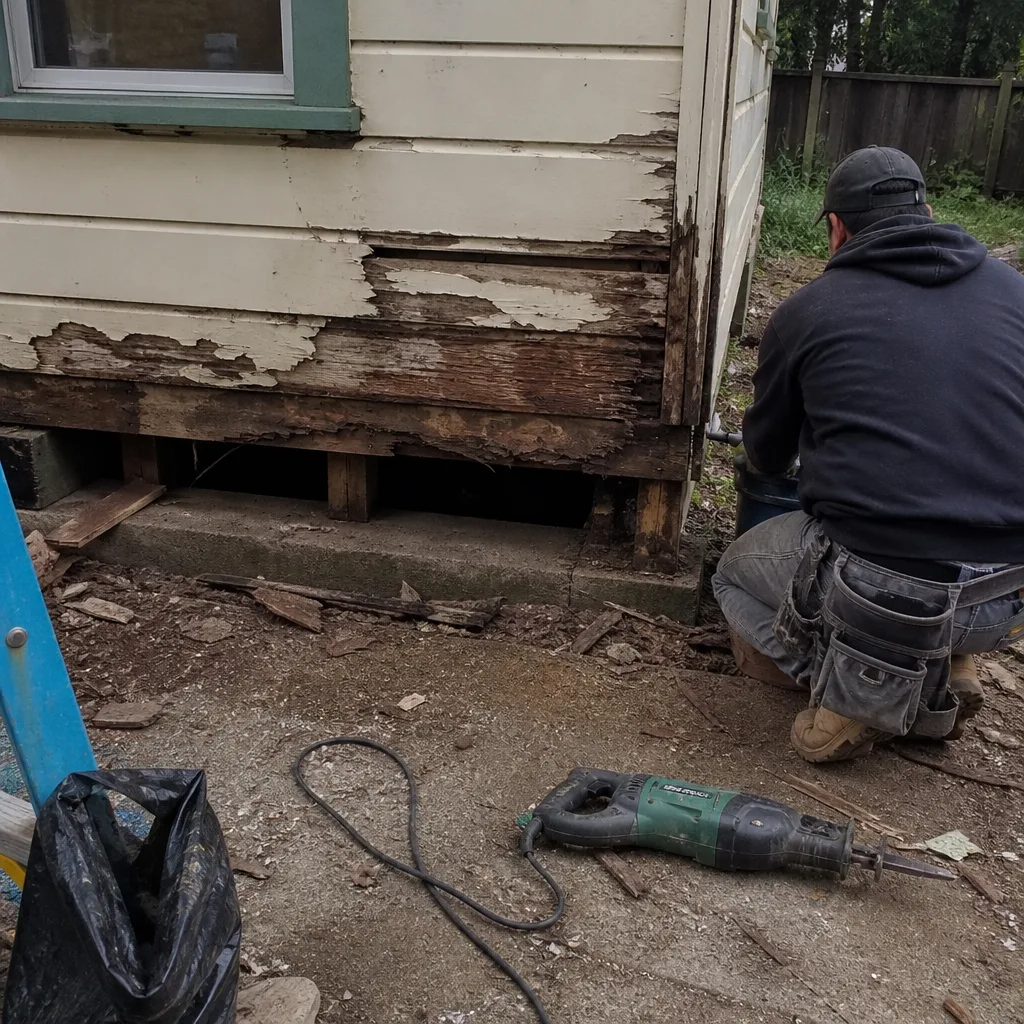 Before
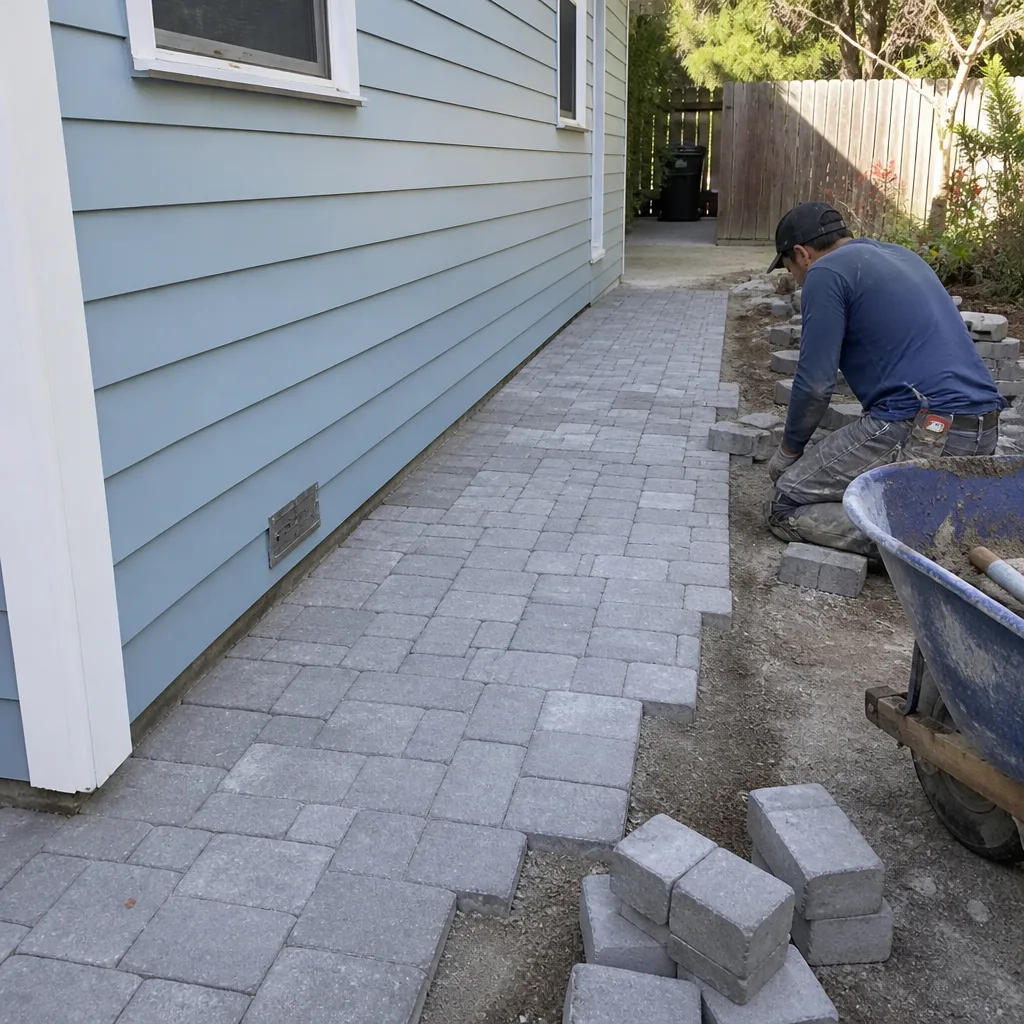 After
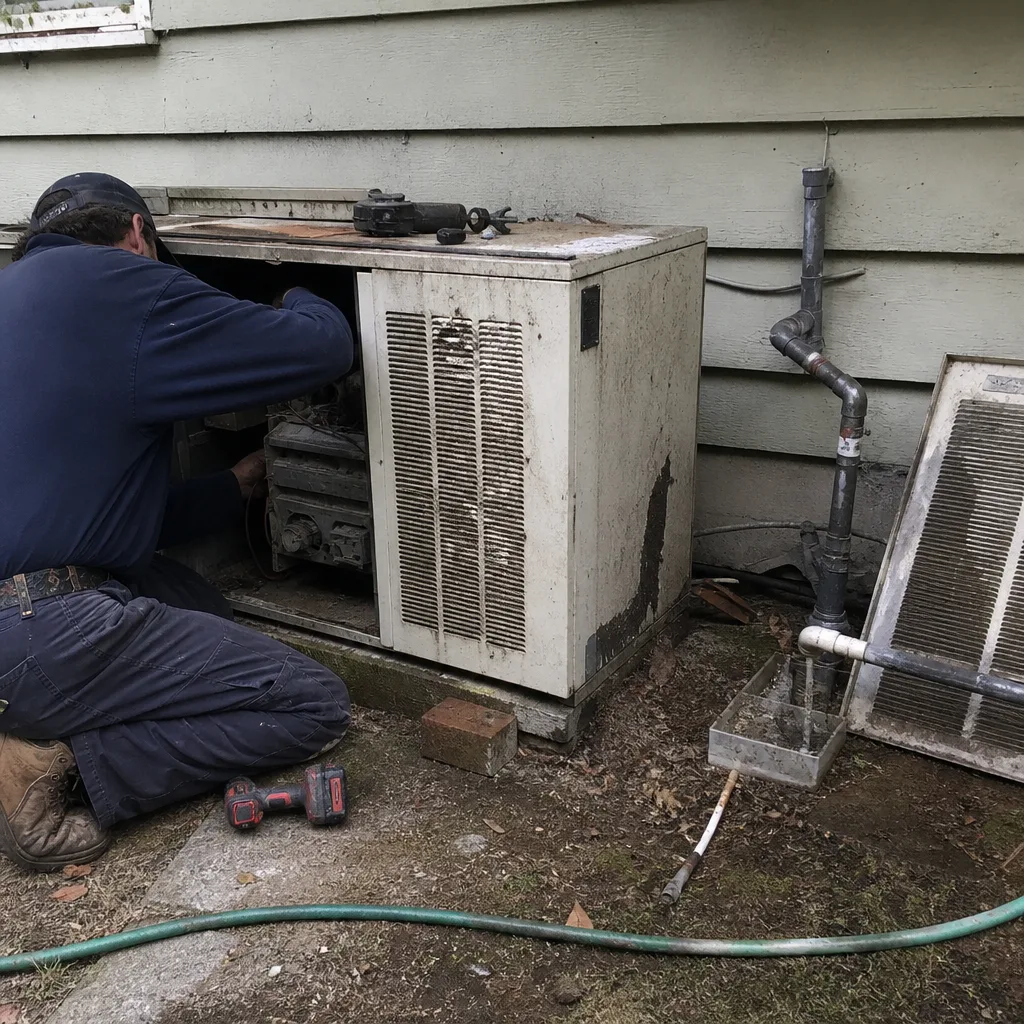 Before
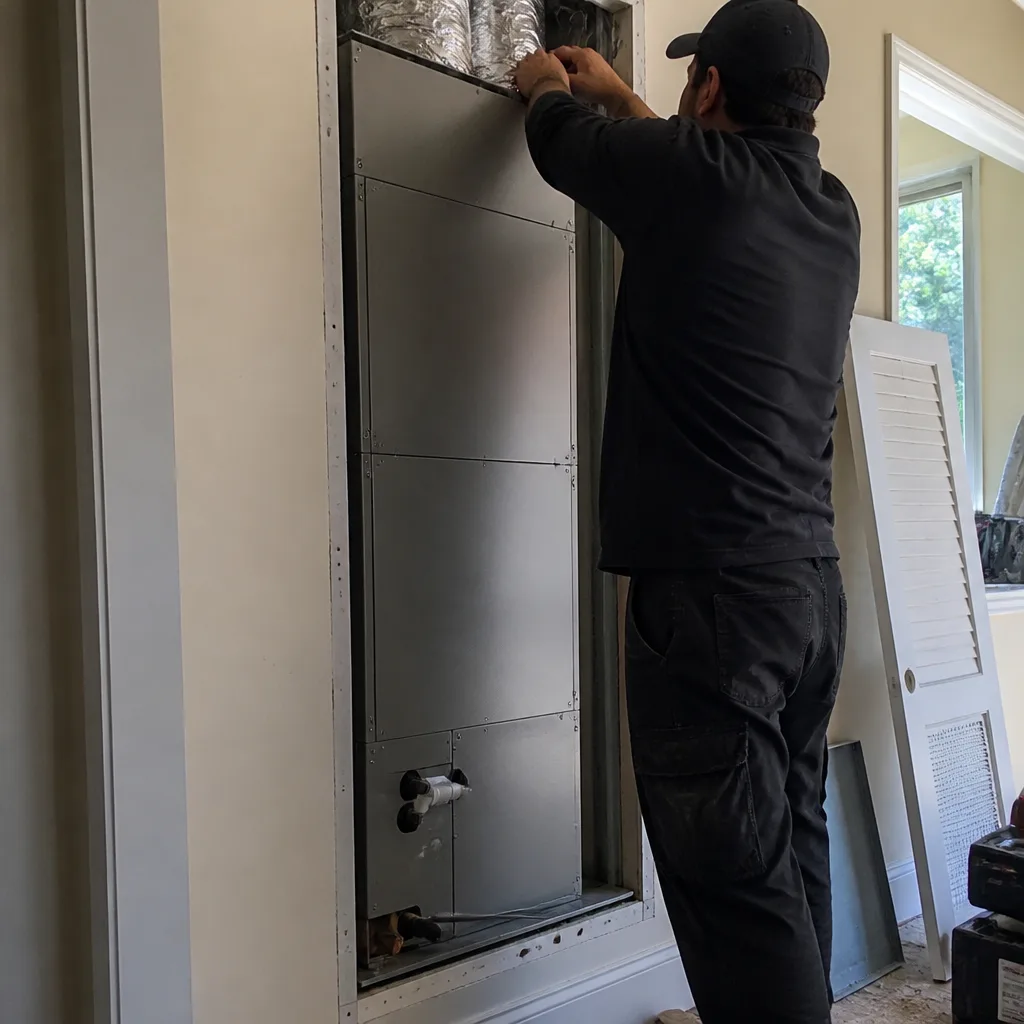 After
 Before
 After