Last updated October 31, 2026
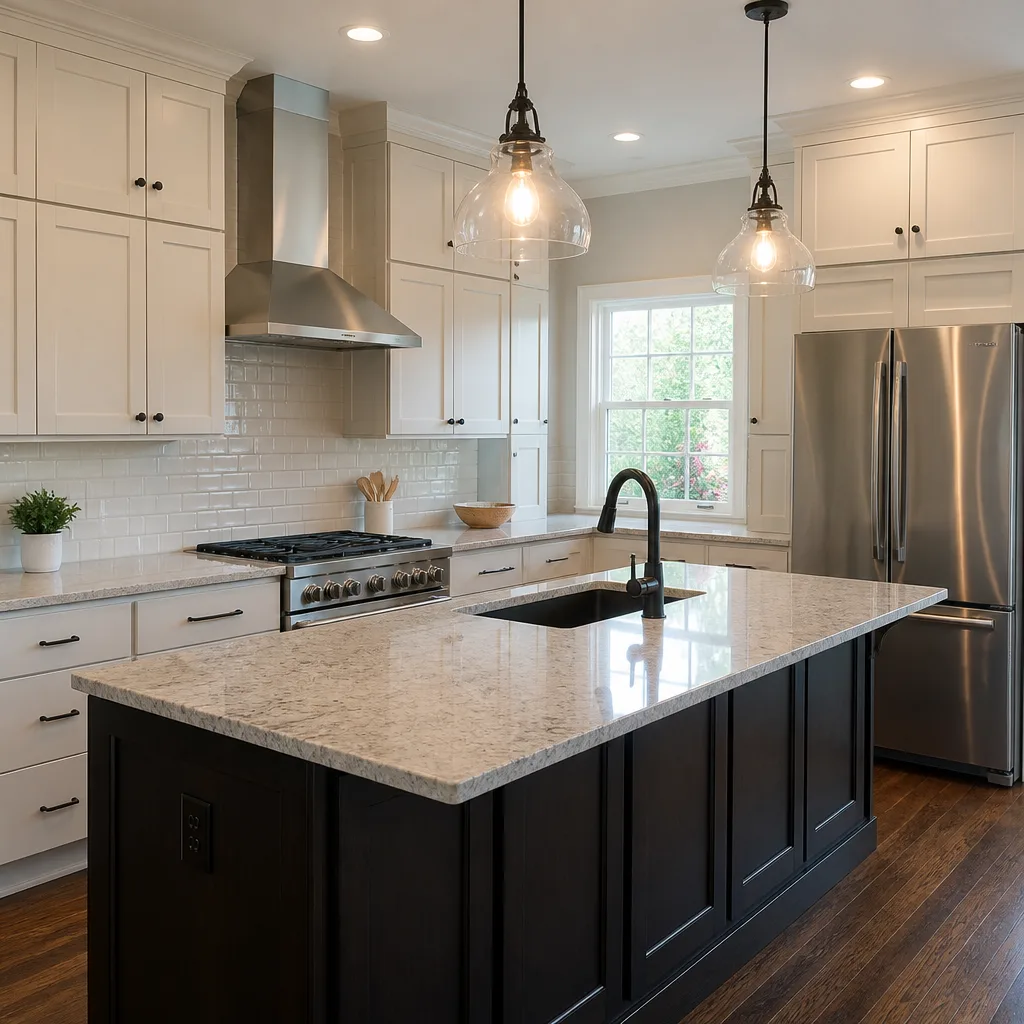 Kitchen remodeling
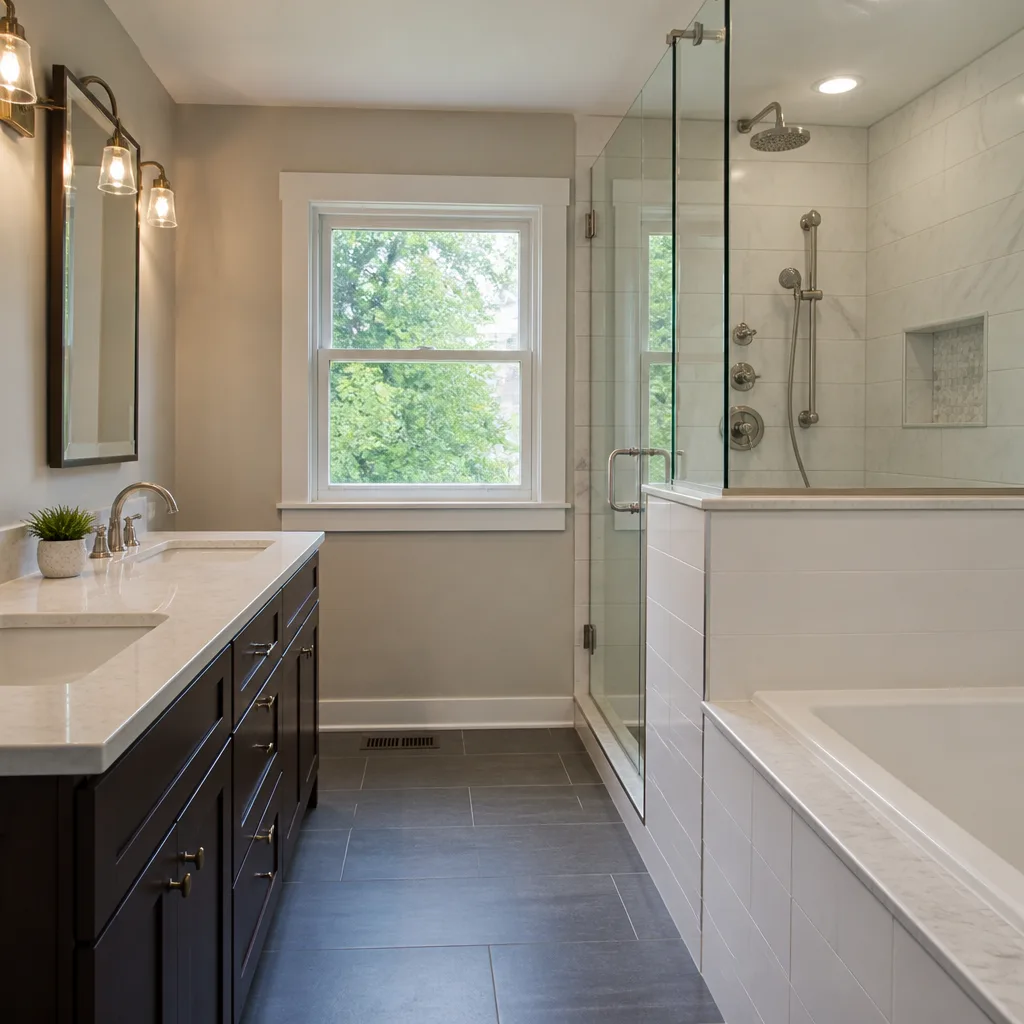 Bathroom remodeling
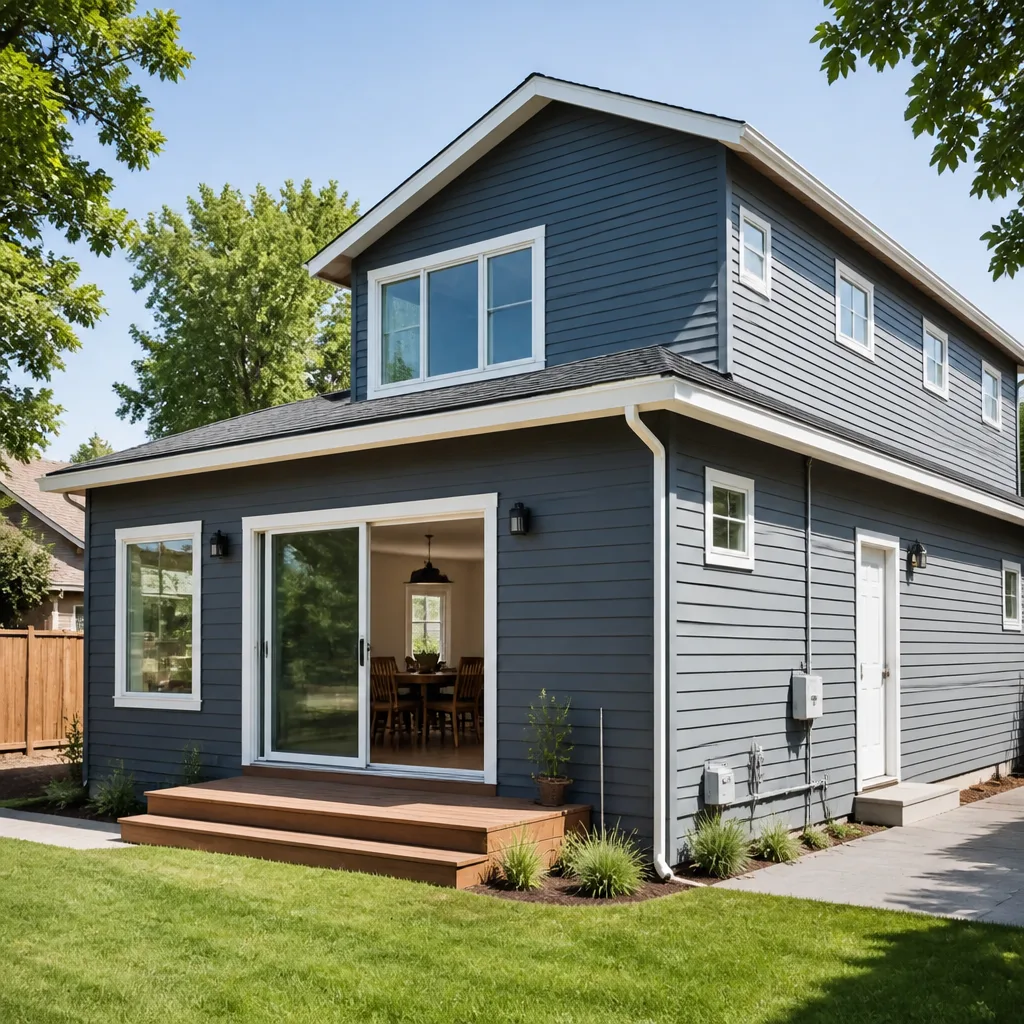 Home additions & ADU
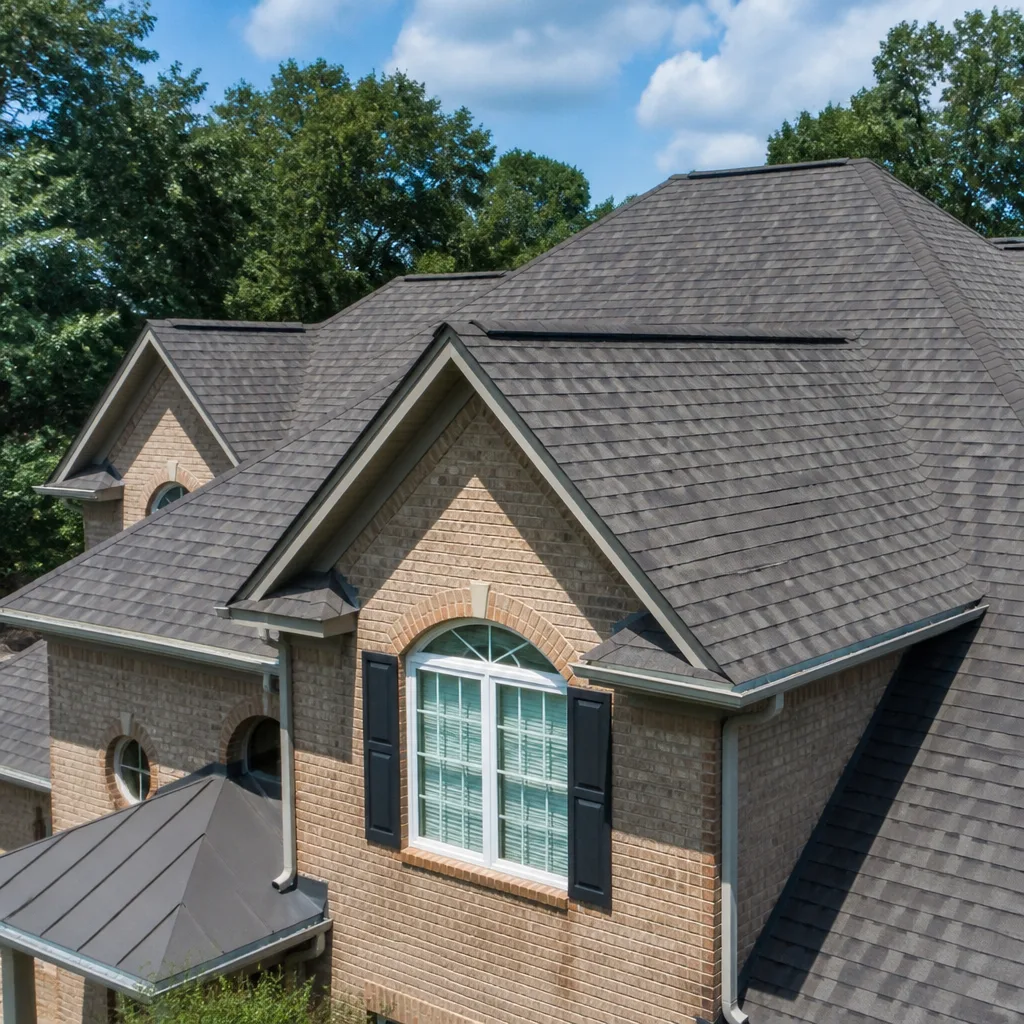 Roofing
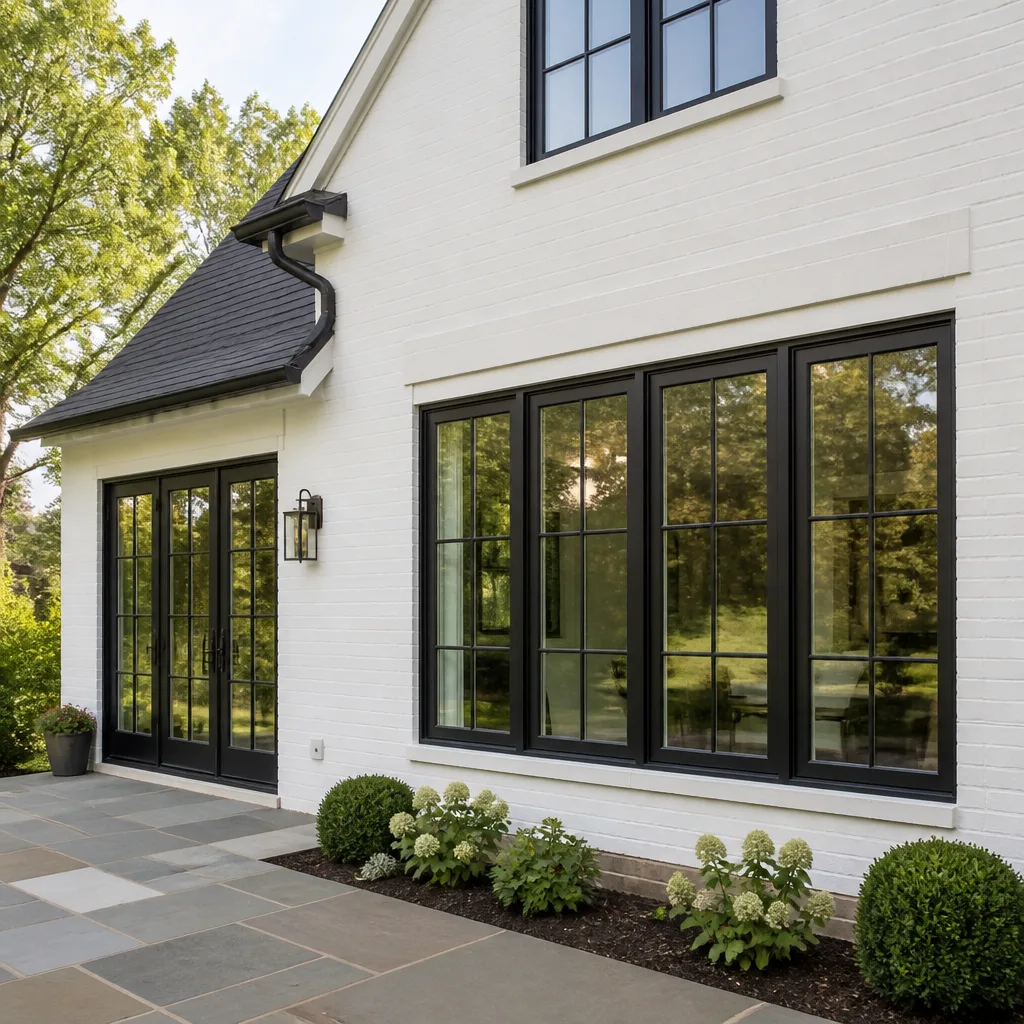 Windows & doors
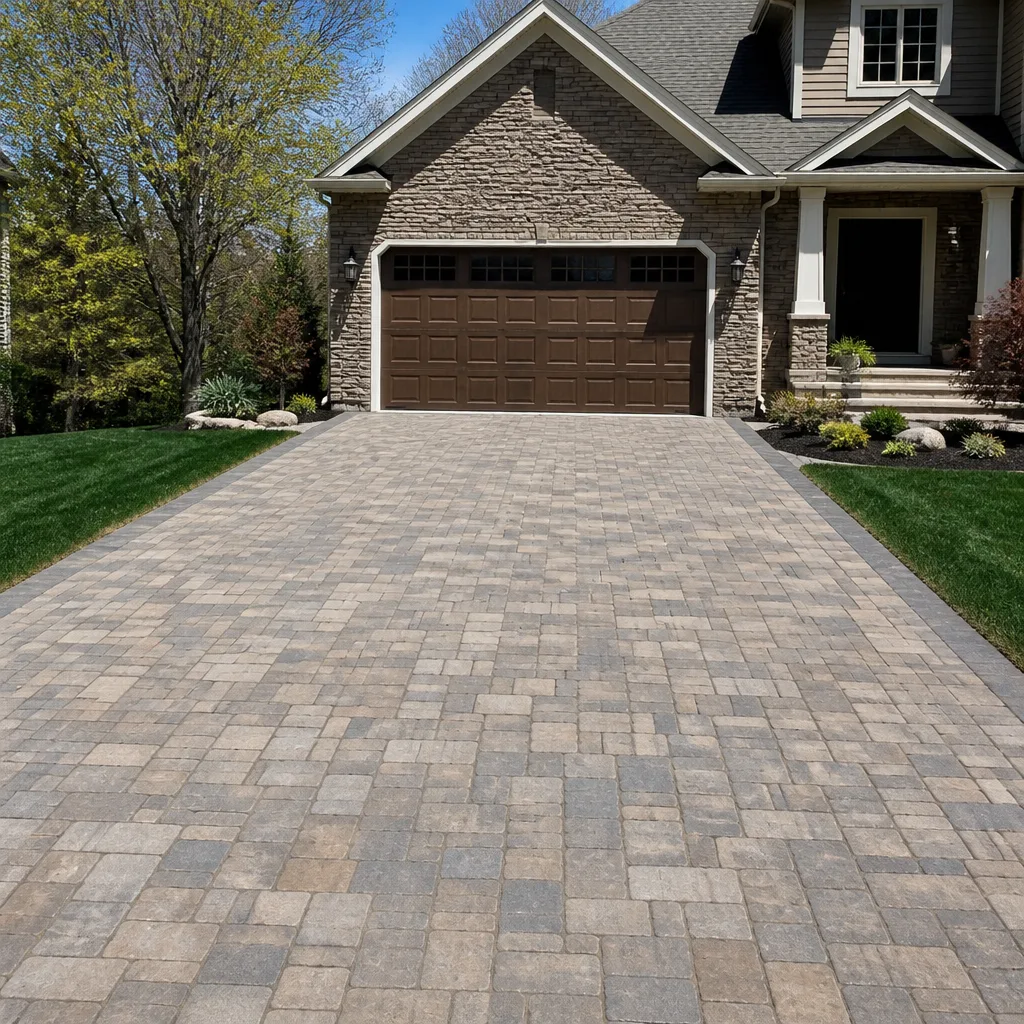 Driveway & pavers
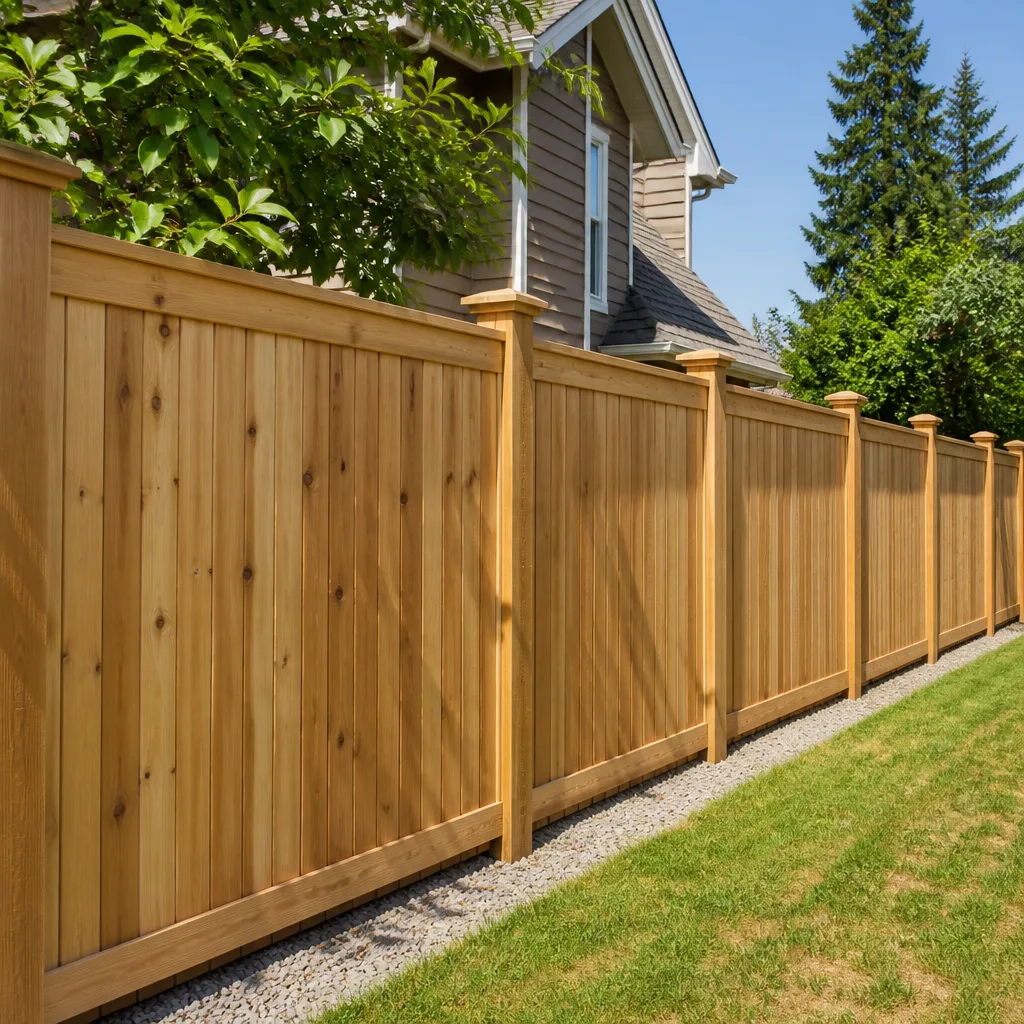 Fence
Free written scope consultation - allowances, timeline, and change-order rules on paper before a single trade is scheduled
Choosing the Right Construction Brand: A Buyer’s Guide for Santa Cruz
A mid-grade asphalt shingle rated for 30 years in Sacramento typically performs for 15 to 18 years on a west-facing Santa Cruz roof slope. The marine layer, salt air, and relentless UV exposure compress product lifespans here in ways that separate premium brands from mid-tier alternatives faster than almost anywhere else in California. This guide will show you how to evaluate construction brands for coastal conditions, what questions to ask your contractor during the estimate phase, and why the brand name on the box matters more in Santa Cruz than it does twenty miles inland.
Styles & brands we work with
Quick Answer
The right construction brand for a Santa Cruz project is one whose warranty language does not exclude marine environments, whose materials are rated for coastal UV and moisture cycling, and whose product grade comes through a contractor’s trade account rather than a retail home center shelf. For most homeowners, the smartest path is to work with a general contractor who already sources from name-brand manufacturers like GAF, Cambria, Kohler, and James Hardie, and who can explain why each brand was specified for your specific elevation, exposure, and microclimate.
Table of Contents
- Why Santa Cruz Changes the Brand Conversation
- How to Read a Manufacturer Warranty for Coastal Applicability
- Brand Comparison by Trade for Santa Cruz Conditions
- Brand Availability vs. Brand Performance: Questions to Ask
- Why the Same Brand Differs by Where You Buy It
- Total Cost of Ownership by Brand Tier
- Prefab and ADU Brands: A Different Decision Framework
- Common Mistakes to Avoid
- When to Call a Professional
- Frequently Asked Questions
- The Bottom Line
Why Santa Cruz Changes the Brand Conversation
Santa Cruz sits inside a narrow coastal band where three forces collide: intense ultraviolet radiation from consistent sun exposure, salt-laden marine air traveling onshore from Monterey Bay, and daily moisture cycling from fog that rolls in during summer evenings and burns off by mid-morning. These conditions do not exist twenty miles inland. A material specified for San Jose performs differently when installed in Live Oak, Capitola, or the Westside.
We’ve seen this pattern repeat across every trade category. Composite decking that holds its color for a decade in the Central Valley shows fading within five years on a south-facing deck near Pleasure Point. Galvanized fence posts that last twenty years in Scotts Valley need replacement in twelve when installed within a half mile of the ocean. Paint finishes on exterior doors break down faster on the east side of Santa Cruz, where morning sun hits full force before the fog clears.
What this means for brand selection is straightforward: the brand that works in one climate zone may not be the right brand for a home on a west-facing slope above West Cliff Drive. When we specify materials for a home remodeling in Santa Cruz project, the first question is never “what’s available.” It’s “what survives here.” The brands that publish coastal performance data, that test for salt-spray resistance, and that write warranties without marine exclusion clauses are the brands that belong on a Santa Cruz specification sheet.
The real difference between a good material decision and a bad one shows up around year seven. That’s when the mid-grade products start to show their stress: sealant failures around window frames, shingle granule loss on roof planes, fiber cement siding edges swelling from repeated moisture absorption. By year ten, the repair invoices start arriving. By year fifteen, the homeowner is paying for replacement materials that a premium coastal-rated brand would still be protecting.
How to Read a Manufacturer Warranty for Coastal Applicability
Most homeowners never read the warranty language before their contractor orders materials. That’s a significant oversight for a Santa Cruz project. Manufacturer warranties are legal documents written by risk-management teams, and many contain exclusion clauses that effectively void coverage in marine environments. Reading them is the fastest way to separate brands that stand behind coastal performance from brands that quietly walk away.
The first thing to look for is any reference to saltwater, coastal zones, marine environments, or “areas within X miles of saltwater.” Some manufacturers include a flat exclusion: if the structure sits within a certain distance of the ocean, the warranty is void. Others reduce the covered period. A shingle manufacturer might warrant a 30-year product for 30 years inland but only 15 years in a coastal zone. Still others use language about “normal weathering” that includes color fade and granule loss, which are precisely the failure modes that accelerate in marine air.
A second clause to examine is coverage for labor. High-end manufacturers like GAF through their certified contractor program include labor coverage for a defined period after installation. This matters because material replacement cost is often only half the total bill. A warranty that covers labor for 25 or 50 years changes the value equation significantly. We specify products with labor-coverage riders whenever the manufacturer offers them, because a material warranty without labor coverage is not much better than no warranty at all.
The third element is transferability. If you plan to sell your Santa Cruz home within ten years, a transferable warranty adds real value at resale. Some premium brands allow one transfer with no fee. Others charge a processing fee. Many mid-tier brands do not allow transfer at all. When a buyer asks about the roof, the windows, or the siding, having a transferable manufacturer warranty in hand is a tangible selling point.
Here’s a practical sequence for evaluating any warranty during the estimate phase:
- Request the full warranty document, not the marketing summary sheet.
- Search the document for the words “salt,” “coastal,” “marine,” and “chloride.”
- Note any distance-based exclusions and compare them to your property’s distance from Monterey Bay.
- Check the labor coverage: does it exist, how long does it last, and does it reduce over time?
- Confirm whether the warranty is transferable and whether transfer involves fees.
- Ask your contractor to confirm in writing that they are certified to install the brand under warranty terms, since many manufacturer warranties are void if installation lacks certification.
Brand Comparison by Trade for Santa Cruz Conditions
Brand selection is not one decision but several, each dependent on the specific stresses of the trade and the location of your home. What follows is how we think about brand tiers across the major categories for Santa Cruz projects, based on what we’ve seen perform well and what we’ve seen fail early.
Roofing: Asphalt, Composite, and Impact Considerations
Roofing is the highest-stakes brand decision in Santa Cruz. The roof absorbs the most UV, the most salt air, and the most dramatic temperature cycling of any surface on the home. Among asphalt shingle manufacturers, GAF, CertainTeed, and Owens Corning all produce premium lines with coastal-relevant features: high wind ratings, advanced granule adhesion, and algae-resistant copper-infused granules that matter in constantly damp conditions. The difference between a premium line and an entry-level line from the same manufacturer is often the difference between eighteen years and thirty years of service on a Santa Cruz roof.
For homeowners considering metal roofing, the conversation shifts to coating systems. Galvalume and Kynar 500 coated steel panels from manufacturers with published salt-spray test results perform dramatically better than painted steel panels without a marine-rated coating. The coating quality is the brand statement, not the metal gauge.
Windows and Doors: Salt Air Frame Ratings
Window frames in Santa Cruz fail from the outside in. Aluminum frames without proper anodizing or powder coating pit and corrode within a decade near the coast. Vinyl windows with low-quality stabilizers chalk and fade. Wood windows without factory-applied marine finishes crack at the joints from moisture cycling.
We specify window brands like Therma-Tru, PGT, and CGI for coastal projects because these manufacturers produce frames explicitly rated for coastal zone use. The performance difference shows in the hardware: stainless steel rather than zinc-plated screws, marine-grade weatherstripping, and frame finishes tested under accelerated salt-spray conditions. The additional cost compared to builder-grade windows is roughly 15 to 25 percent, and the service life extension is typically two to three times.
For entry doors, the same logic applies. A Therma-Tru fiberglass door with a composite frame does not absorb moisture the way a wood door does, and it will not bow after repeated fog cycles. A solid wood door in Live Oak, especially one with a dark finish on a south-facing exposure, will require refinishing every two to three years and may still crack at the joints within ten.
Fencing: Galvanization and Composite Performance
Fencing in Santa Cruz lives in the salt zone. Chain-link and ornamental steel fences rely on galvanization quality to resist corrosion. Brands like Master Halco, Ameristar, and Jerith produce fence systems with varying galvanization weights and polymer coating systems. The difference in service life between a residential-grade galvanized post and a commercial-grade galvanized post from one of these manufacturers is often double when installed within a mile of the ocean. We see this consistently on fence replacement projects throughout the county.
For wood fencing, the brand discussion shifts to species and treatment rather than manufacturer. Pressure-treated pine from a reputable supplier will outlast untreated cedar in direct soil contact. However, cedar remains the preferred option for visible fence faces because it resists the twisting and cupping that treated pine exhibits during Santa Cruz’s moist-winter to dry-summer cycling.
Counters, Cabinets, and Interior Materials
Interior materials face fewer coastal stresses, but moisture cycling still matters. For countertops, we specify Cambria, Silestone, and Caesarstone quartz because these brands produce non-porous surfaces that never need sealing. That’s a direct response to Santa Cruz’s humidity patterns, where natural stone like marble absorbs ambient moisture and stains more readily than it would in a drier climate. A Cambria quartz surface in a kitchen near the water will look identical in ten years. A marble countertop will not.
For cabinetry, the brand distinction is about construction method rather than label. KraftMaid and Wellborn produce lines with plywood box construction, soft-close hardware, and factory finishes that resist the subtle expansion and contraction that occurs when a home’s interior humidity swings between fog season and the dry fall months. Particle-board boxes from budget cabinet lines fail in this environment, especially under sinks and near dishwashers.
Brand Availability vs. Brand Performance: Questions to Ask
Here’s a distinction that most homeowners miss: there is a meaningful difference between a brand a contractor offers because it’s easy to get and a brand a contractor specifies because it performs in a specific environment. Every contractor has preferred suppliers, and those preferences are often driven by logistics, credit terms, and familiarity rather than performance data.
We’ve sat in hundreds of estimate meetings with Santa Cruz homeowners, and the ones who end up satisfied with their material choices ask a different set of questions. Instead of asking “what brands do you use,” which invites a list, they ask “why did you choose this specific brand for my specific project.” That question forces a real answer.
Here are the four questions we recommend every homeowner ask during the estimate phase, along with what the answers reveal:
- “What would you install on your own house in my neighborhood?” A contractor who hesitates or gives a different answer than what they quoted is telling you something important about the gap between what they sell and what they trust.
- “Can you show me the coastal warranty language for the products you’re specifying?” A contractor who has never read the warranty document hasn’t actually specified the product. They’ve selected it.
- “What’s the difference in installed cost between this brand and the next tier up, and what would the lifespan difference be at my address?” This tests whether the contractor understands the cost-of-ownership math. A good one will have a specific answer with numbers.
- “Are you factory-certified to install these products?” Manufacturer certification matters because it’s the difference between a warranty that exists on paper and a warranty the manufacturer will actually honor.
At Spruce Contractors, our approach is to present the brand options with the reasoning attached. We don’t expect a homeowner to know why a GAF Timberline roof outperforms an entry-level shingle on a west-facing slope above the harbor. But we do expect ourselves to be able to explain it in plain language. That’s the standard a professional contractor should meet.
Why the Same Brand Differs by Where You Buy It
The same brand name does not mean the same product. This is one of the least understood realities of construction material sourcing, and it has real consequences for Santa Cruz homeowners comparing bids.
Many national brands manufacture two or three product grades: one sold through professional trade accounts and installed by certified contractors, one sold through lumberyards and supply houses, and one sold through big-box retail home centers. The differences are often invisible to a homeowner and sometimes invisible without close inspection. A faucet from Kohler at a home center may share a model name with a faucet from the same brand through a plumbing supply house, but the internal components differ: plastic cartridges instead of brass, shorter warranty periods, reduced parts availability.
The same pattern holds across most major trade categories. A James Hardie siding product sold through retail channels may have a different finish specification than the same line sold through a contractor’s trade account. A window brand may offer a 10-year warranty on the retail version and a lifetime warranty on the trade version. The packaging looks the same, the price looks lower, and the performance gap shows up years later.
This is not a reason to distrust retail products across the board. Some categories, like fasteners and basic lumber, are essentially the same product regardless of channel. But for anything with moving parts, a factory-applied finish, or a long-term warranty, the sourcing channel matters.
Working with a general contractor in Santa Cruz who holds trade accounts with the brands you’re considering gives you access to the professional product grade. It also gives you a single point of accountability: if a product fails, you’re not caught between the retail store and the installer. The contractor supplied it, the contractor installed it, and the contractor owns the fix.
Total Cost of Ownership by Brand Tier
The upfront price difference between a mid-tier brand and a premium brand rarely tells the whole story in Santa Cruz. The replacement cycle and the maintenance interval are the real numbers, and they change the math significantly when viewed over a 10- or 20-year window.
Let’s work through a concrete example. A mid-grade asphalt shingle roof on a 1,800-square-foot single-story home in Santa Cruz costs roughly $14,000 to $18,000 installed. A premium architectural shingle roof with a marine-rated underlayment and certified installation costs $18,000 to $24,000. On upfront price, the mid-grade option saves $4,000 to $6,000.
But the mid-grade roof on a west-facing slope near the water will typically need replacement at year 15 to 18. The premium roof with proper underlayment and certified installation will often reach year 25 to 30. Over a 30-year window, the mid-grade roof gets installed twice. The premium roof gets installed once. The mid-grade roof ends up costing $28,000 to $36,000 in today’s dollars, not counting the disruption, and the premium roof costs $18,000 to $24,000.
The same math applies to windows. Builder-grade vinyl windows with aluminum hardware might cost $600 per opening installed. Coastal-rated vinyl windows with stainless hardware and marine weatherstripping might cost $850 per opening. On a home with 20 windows, that’s a $5,000 difference. But the builder-grade windows in a house near the water will show hardware corrosion and seal failure within 8 to 12 years. The coastal-rated windows will still be performing at year 20. The replacement cost for 20 windows in 10 years, with labor included, will be substantially more than the $5,000 saved today.
Here is a simplified ownership cost comparison across 20 years for a typical Santa Cruz home near the coast:
- Roofing: mid-grade asphalt at $16,000 replaced at year 15 = $32,000 total. Premium asphalt at $21,000 reaching year 25+ = $21,000 total.
- Windows: builder-grade at $12,000 for 20 units replaced at year 10 = $24,000 total. Coastal-rated at $17,000 reaching year 20+ = $17,000 total.
- Fencing: standard galvanized steel at $8,500 replaced at year 12 = $17,000 total. Commercial-grade with polymer coating at $11,000 reaching year 20+ = $11,000 total.
- Decking: pressure-treated pine at $7,500 with replacement at year 10 = $15,000 total. Capped composite at $12,000 reaching year 20+ = $12,000 total.
These are ballpark figures intended to illustrate the ownership math, not quote numbers for any specific property. The takeaway is consistent: in Santa Cruz’s coastal environment, the premium tier is usually the cheaper option when measured over the life of the home.
Prefab and ADU Brands: A Different Decision Framework
Prefab and accessory dwelling unit brands operate on a different decision framework than material brands. When you choose a prefab ADU manufacturer, you are not choosing a product you will install and forget. You are choosing a manufacturing system, a design language, and often a multi-year relationship.
At Spruce Contractors, we’ve installed ADUs and prefab structures from several manufacturers, and the differences matter. Abodu produces compact ADUs designed for California’s permitting environment, with a focus on speed from order to occupancy. Dvele builds prefab homes with an emphasis on energy performance and indoor air quality, using materials that hold up to moisture cycling. Cover produces panelized residential structures with precision engineering that appeals to homeowners who want a custom feel without a fully custom build.
Each of these brands represents a different point on a spectrum between speed, performance, and customization. Abodu’s efficiency comes from a constrained set of configurations. Dvele’s performance comes from a systems-first approach to the whole envelope. Cover’s flexibility comes from a panelized system that allows more design variation than a fully modular unit.
For Santa Cruz specifically, the coastal performance question applies to prefab exactly as it does to site-built construction. The envelope detailing, the weather barrier, and the window specifications determine whether the structure will hold up through marine-layer moisture cycles. We evaluate prefab manufacturers on the same coastal criteria we use for site-built materials: warranty language, moisture-management detailing, and hardware and finish specifications rated for marine exposure.
The practical advantage of a prefab ADU from a brand like Abodu or Dvele is that the manufacturing process removes many of the site-built variables. Wall panels are assembled indoors, moisture content is controlled, and the building envelope is completed under factory conditions rather than in Santa Cruz fog. That consistency translates directly to durability in a coastal environment where site-built framing can sit exposed to marine air during construction.
Common Mistakes to Avoid
- Choosing brands based on price alone. The upfront savings on mid-tier materials in Santa Cruz typically disappear within the first decade when coastal conditions accelerate wear. The brand decision should be made on ownership cost, not bid price.
- Never reading the warranty before signing. Marine exclusion clauses are common, and they are buried in fine print. If the warranty excludes coastal zones within a certain distance of saltwater, the brand’s performance claim is not actually backed at your address.
- Assuming the retail version is the same product. The same brand name sold at a home center often has different internal components and a shorter warranty than the professional-grade version sold through trade accounts. Know what you’re actually getting.
- Using a contractor who is not manufacturer-certified. Many premium brands void their warranty if installation is not performed by a certified installer. The brand on the box means nothing without the certification behind the installation.
- Mixing product tiers across a single system. A premium window installed with builder-grade flashing, or a premium roof installed without a marine-rated underlayment, will underperform the sum of its parts. Systems fail at their weakest link.
- Ignoring the brand ecosystem across a full home renovation in Santa Cruz. Choosing a premium cabinet line while specifying budget plumbing fixtures creates a mismatch that shows up in both daily function and long-term durability. Material decisions should be coherent across the project.
- Believing that all brands in a category perform equally in coastal conditions. Two windows may look identical in a showroom, and one will have corroded hardware within eight years in a home near the beach. The performance data and coastal testing exist for a reason.
When to Call a Professional
Some brand and material decisions can be made by a homeowner with good research. Most cannot. The reason is simple: the performance of a material in Santa Cruz depends on variables that are invisible unless you’ve watched how products fail over years in this specific climate. The elevation of your property, the direction your roof planes face, the distance from the Monterey Bay shoreline, and the microclimate of your specific neighborhood all influence which brands will perform and which will not.
If you are planning a significant remodel or multi-phase project, if your home is within a mile of the ocean, if you’re considering a roof replacement, or if you’re evaluating an ADU, bring in a professional who can speak to coastal performance with specificity. Ask for the warranty documents. Ask for the coastal testing data. Ask which brands they would put on their own house in your neighborhood.
Spruce Contractors offers free estimates in Santa Cruz. We’ll walk through the brand options, show you the warranty language that matters for your address, and put together a specification that makes sense for your property and your budget. Call (877) 265-5771 to schedule a consultation.
Frequently Asked Questions
How much more do premium coastal-rated materials cost than standard options in Santa Cruz?
Premium coastal-rated materials typically cost 15 to 30 percent more than standard options at the point of purchase. The total cost of ownership over 20 years is usually lower because the premium products last significantly longer before needing replacement. The exact premium depends on the trade: roofing and windows show the widest spreads between tiers, while interior materials like quartz countertops show a narrower gap.
Which roofing brands are best for homes near the water in Santa Cruz?
GAF, CertainTeed, and Owens Corning all produce premium shingle lines with algae-resistant granules, high wind ratings, and warranties that do not blanket-exclude coastal zones. The brand matters less than the specific product line and the certification of the installer. A premium line from any of these manufacturers, installed by a certified contractor with a marine-rated underlayment, will outperform an entry-level product from a premium brand.
Do I need to worry about brand quality for interior remodeling, or only exterior work?
Interior materials in Santa Cruz face moisture cycling from fog-season humidity swings, but the stresses are far less severe than exterior exposure. The brand decisions that matter inside are primarily about surface durability: quartz countertops that don’t need sealing, cabinet boxes made of plywood rather than particleboard, and plumbing fixtures with solid brass internals rather than plastic components. The exterior is where brand differences show up fastest.
What does a marine exclusion in a warranty actually mean for a Santa Cruz homeowner?
A marine exclusion means the manufacturer will not honor the warranty if the product is installed within a specified distance of saltwater, or if damage is attributed to salt air exposure. For many Santa Cruz homes, especially those west of Highway 1 or within a mile of the shoreline, an excluded warranty is effectively no warranty. Always request the full warranty document and check for coastal language before committing to a brand from us or any other contractor.
Can a general contractor really source better product grades than I can buy myself at a home center?
Yes. Many name-brand manufacturers produce separate product lines for professional trade accounts versus retail channels. The retail versions often contain different internal components, carry shorter warranties, and are not eligible for manufacturer certification programs. When you work with a Spruce Contractors home trade account, you get the professional-grade product, and the contractor becomes the single point of accountability for installation and performance.
How do I know if my contractor is actually specifying brands for coastal performance?
Ask for the warranty document in writing and ask which specific coastal ratings apply to each product. A contractor who specifies for performance will be able to show you salt-spray test results, wind-rating documentation, and warranty language that supports the choice. A contractor who specifies for availability will give you a brand list. The difference is quickly apparent in the conversation.
The Bottom Line
The right construction brand for a Santa Cruz home is not the most expensive option or the most recognizable label. It’s the product whose warranty covers coastal conditions, whose performance data matches the demands of marine air and UV exposure, and whose installation is backed by manufacturer certification. The brand conversation that matters is not which logo appears on the box, but what the brand’s testing and warranty language say about how the product will perform at your specific address. For most homeowners, the cleanest path through this complexity is a general contractor who can source from a deep bench of name-brand manufacturers, explain the reasoning behind each specification, and stand behind the work under one contract.
Written by the team at Spruce Contractors, serving Santa Cruz since 2014.
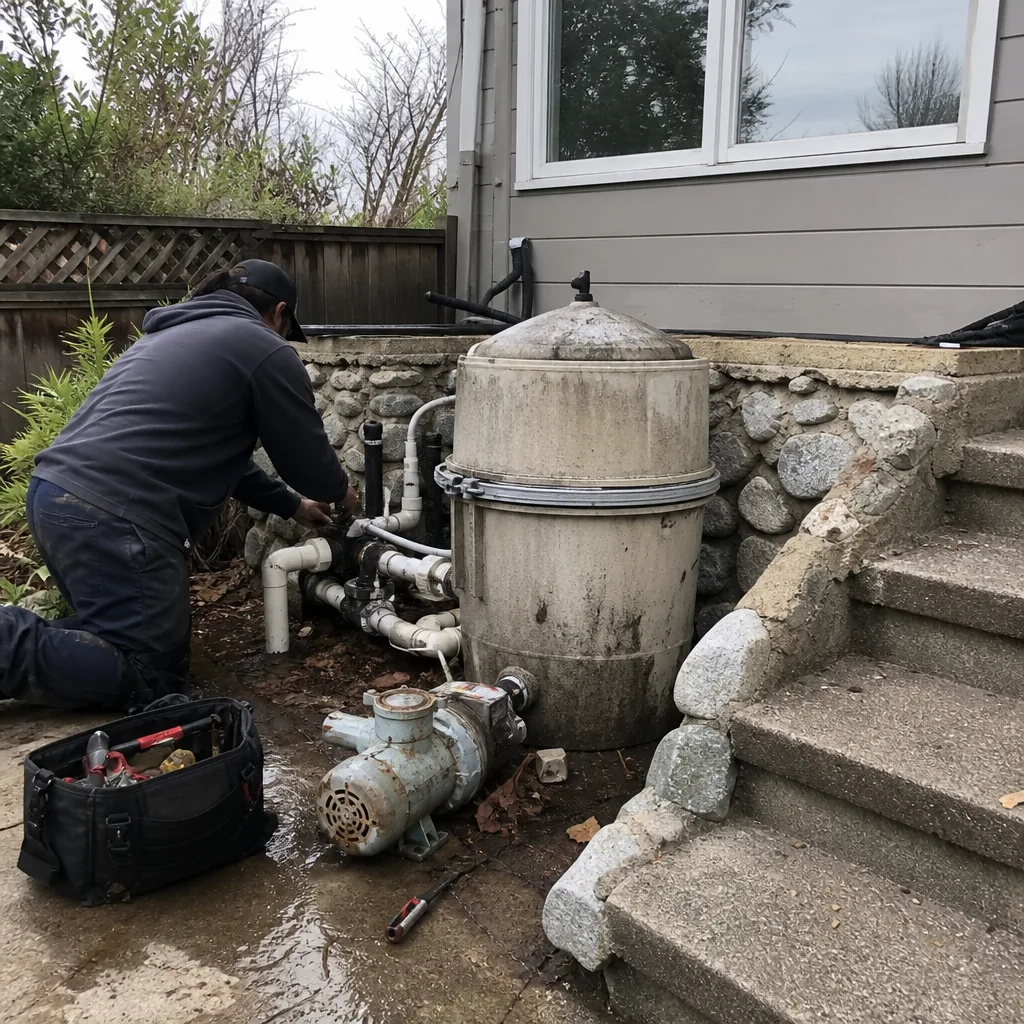
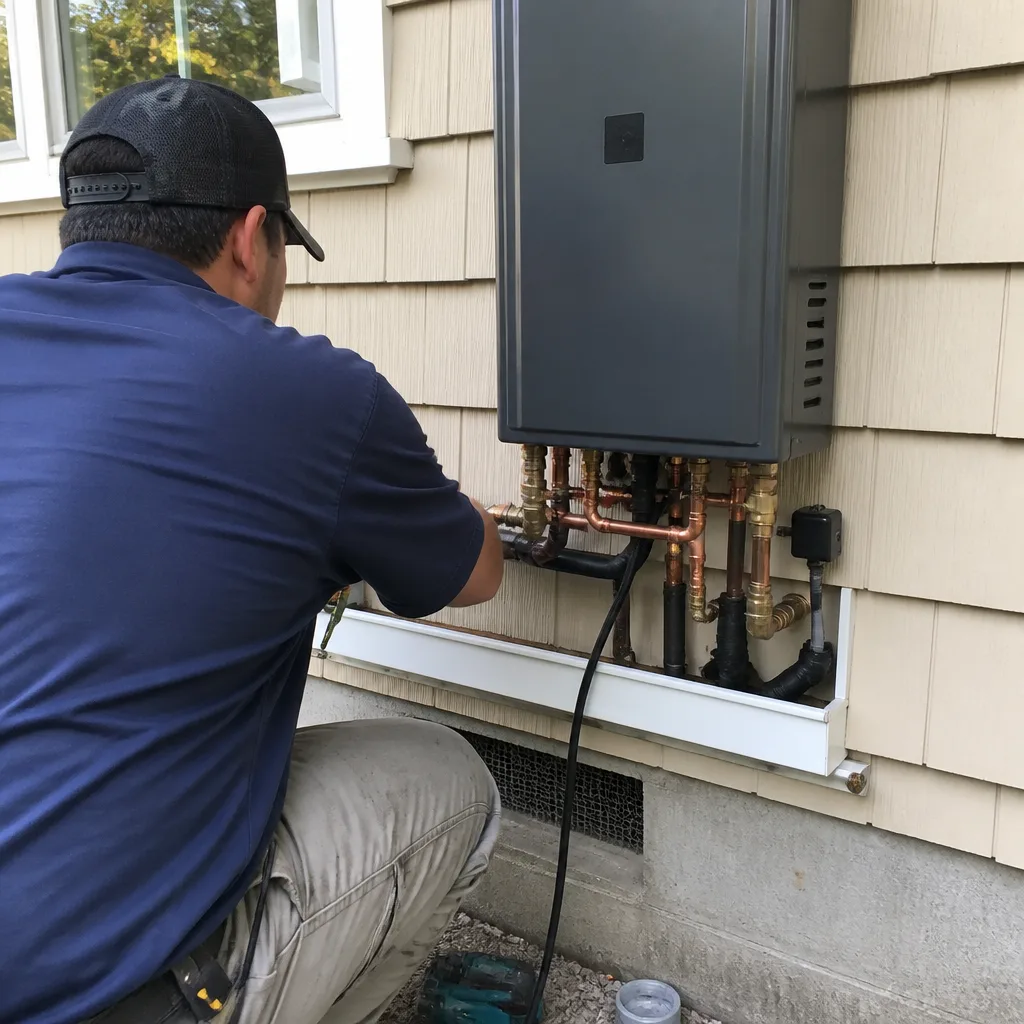
See the difference
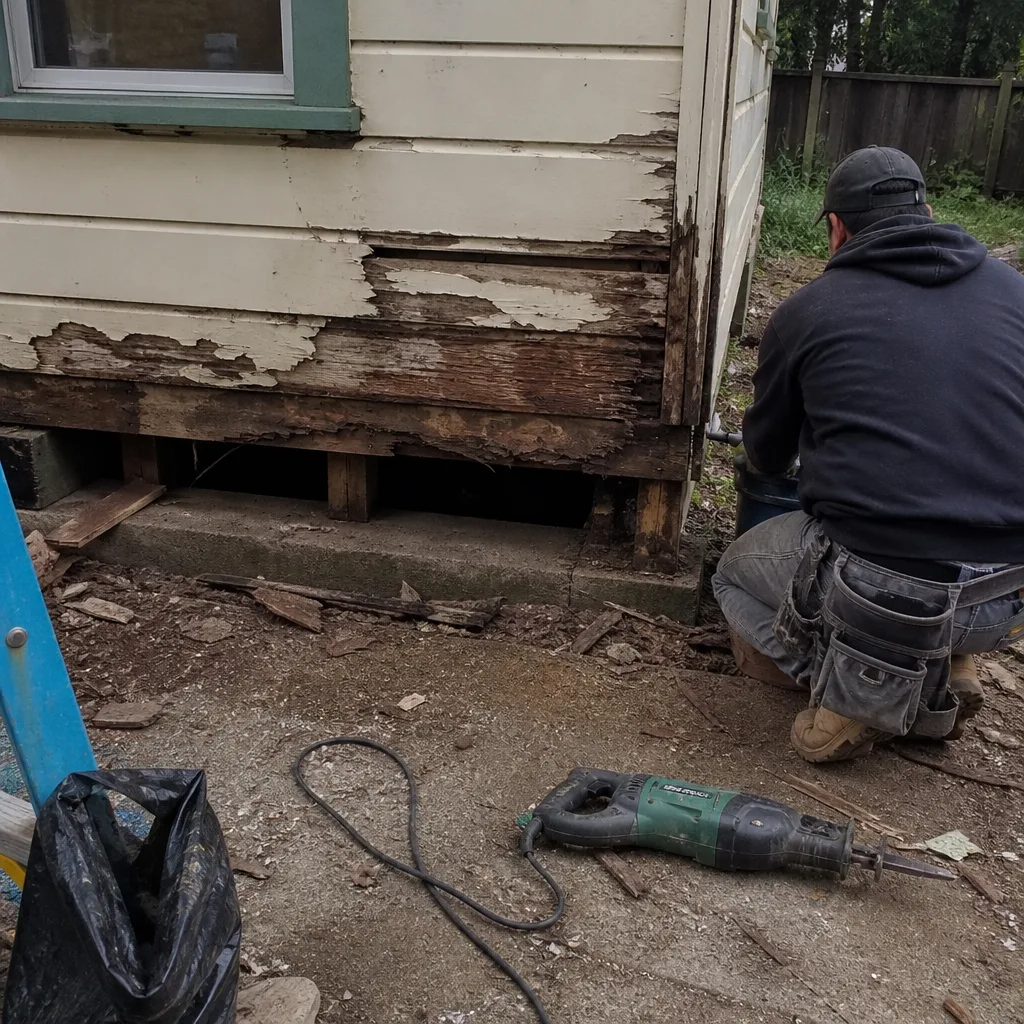 Before
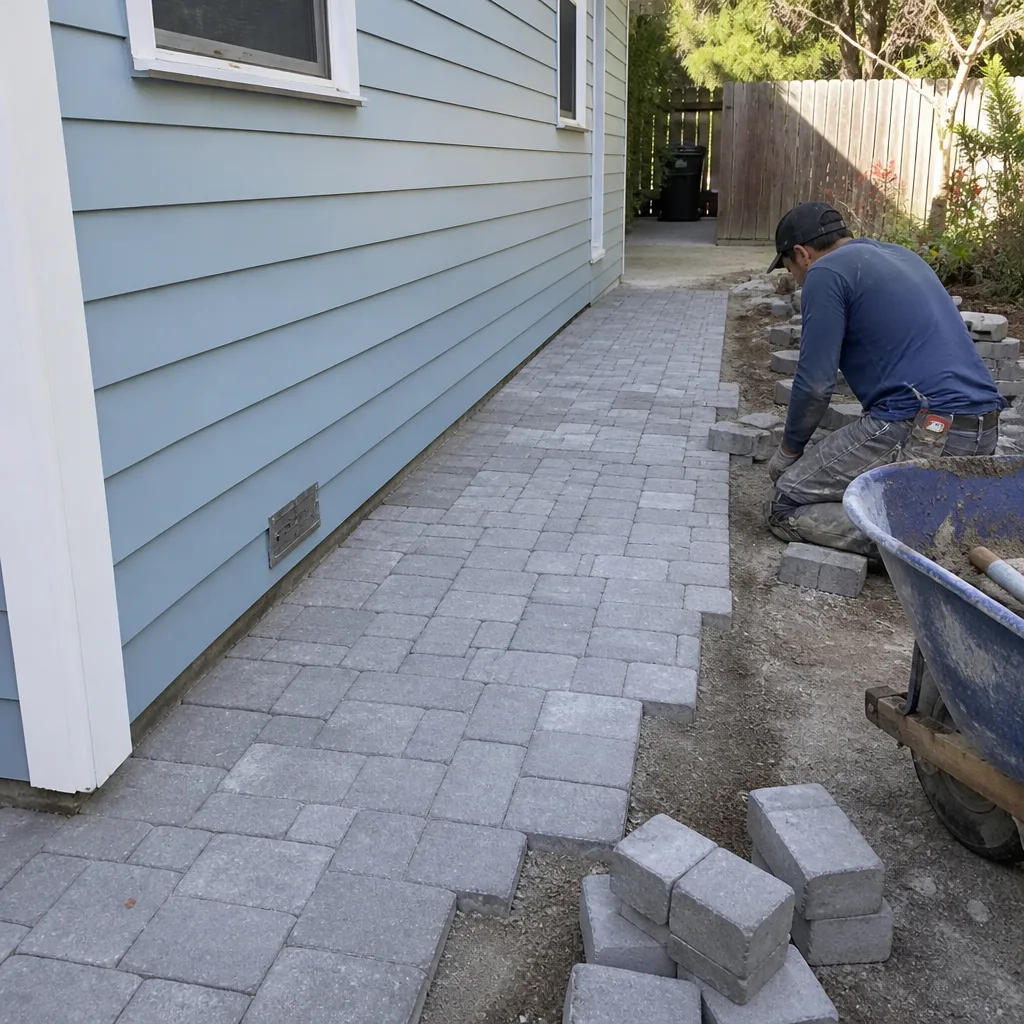 After
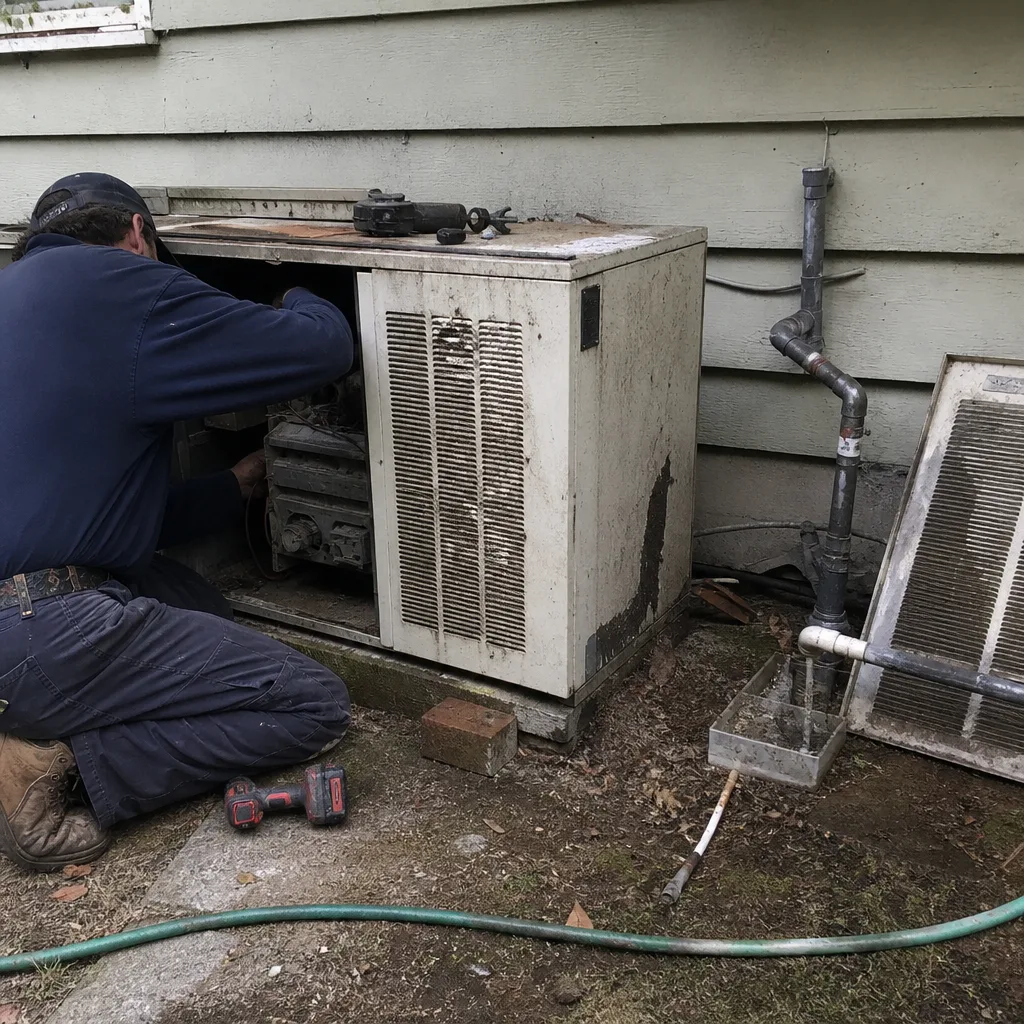 Before
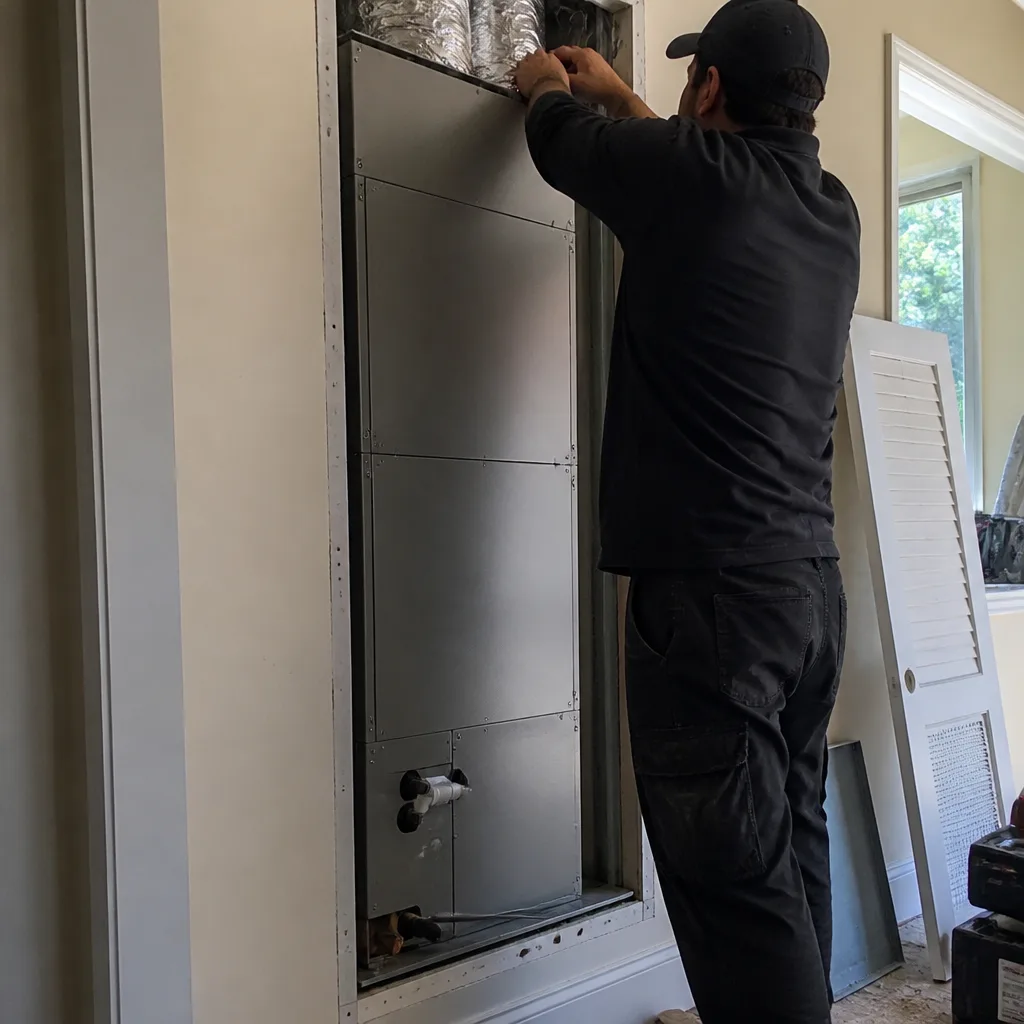 After
 Before
 After