
Last updated October 31, 2026
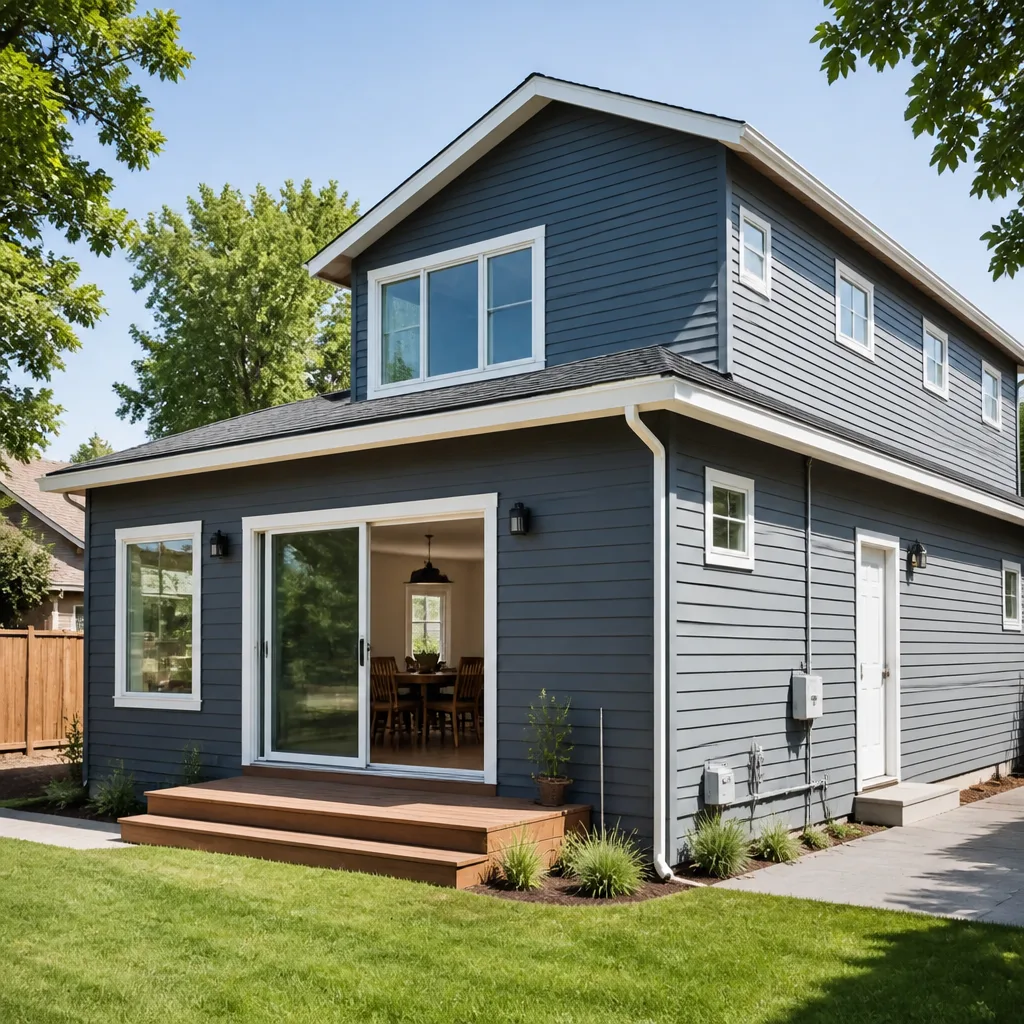 Home additions & ADU
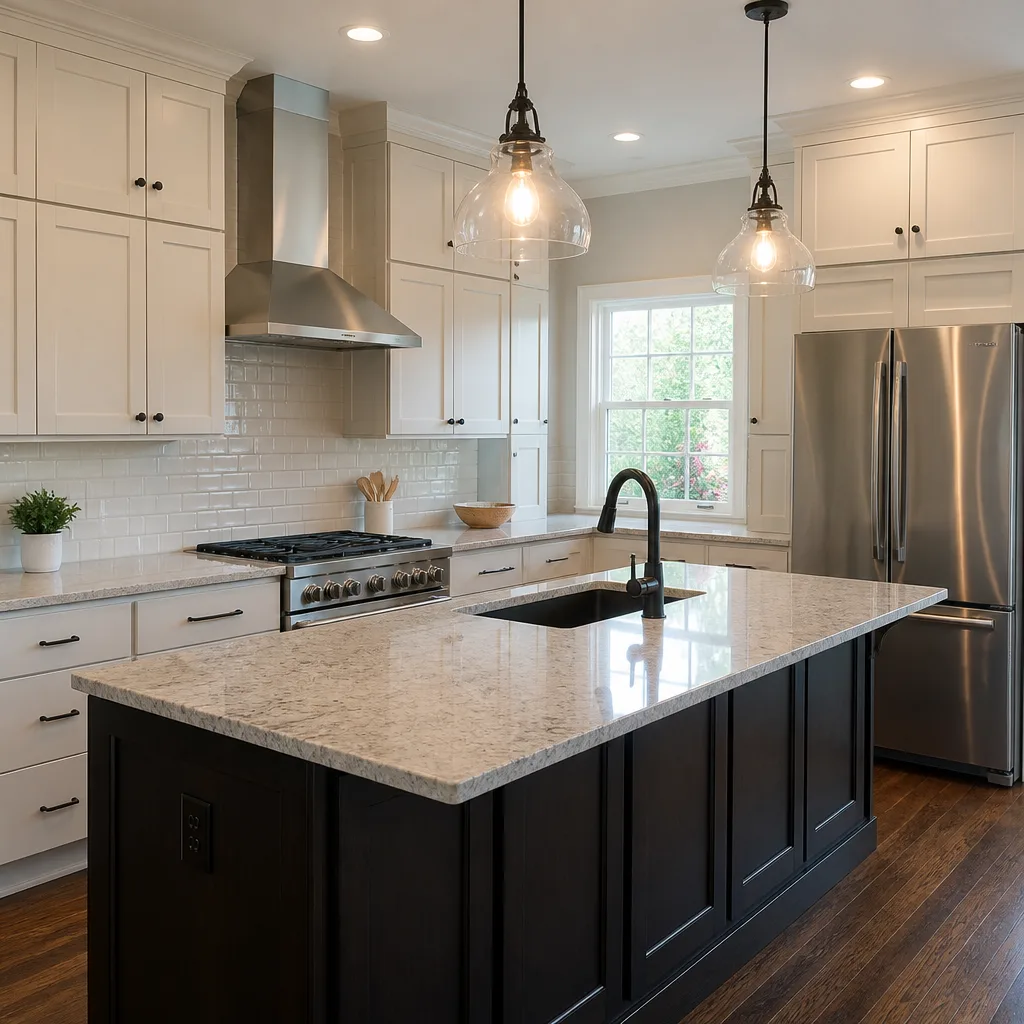 Kitchen remodeling
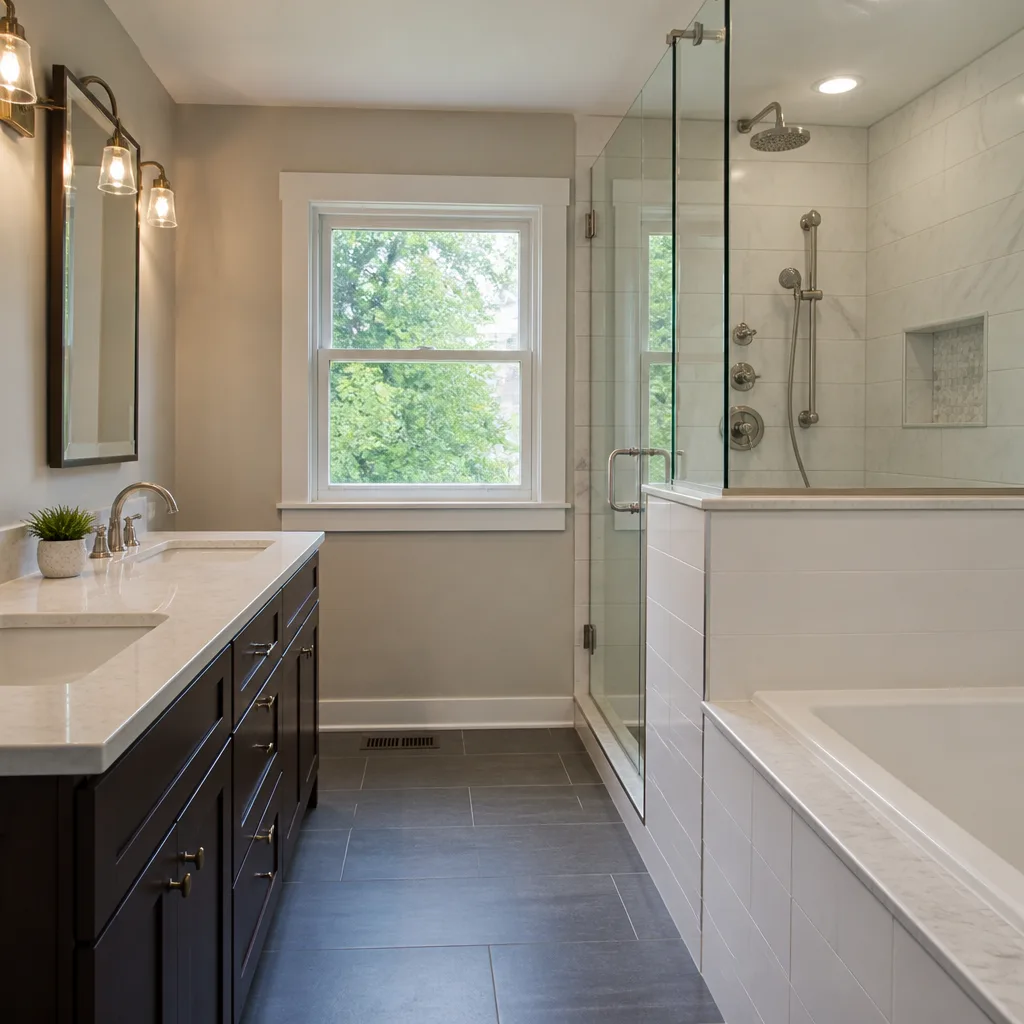 Bathroom remodeling
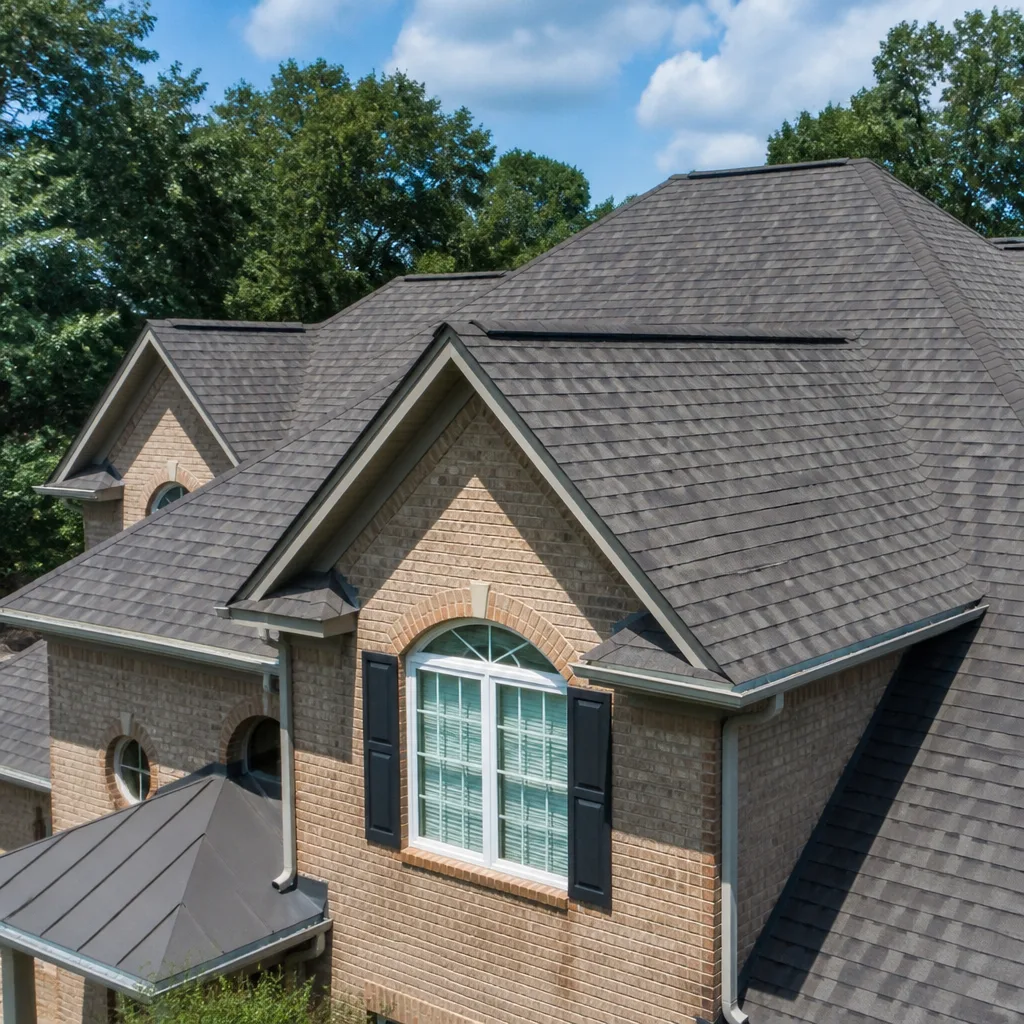 Roofing
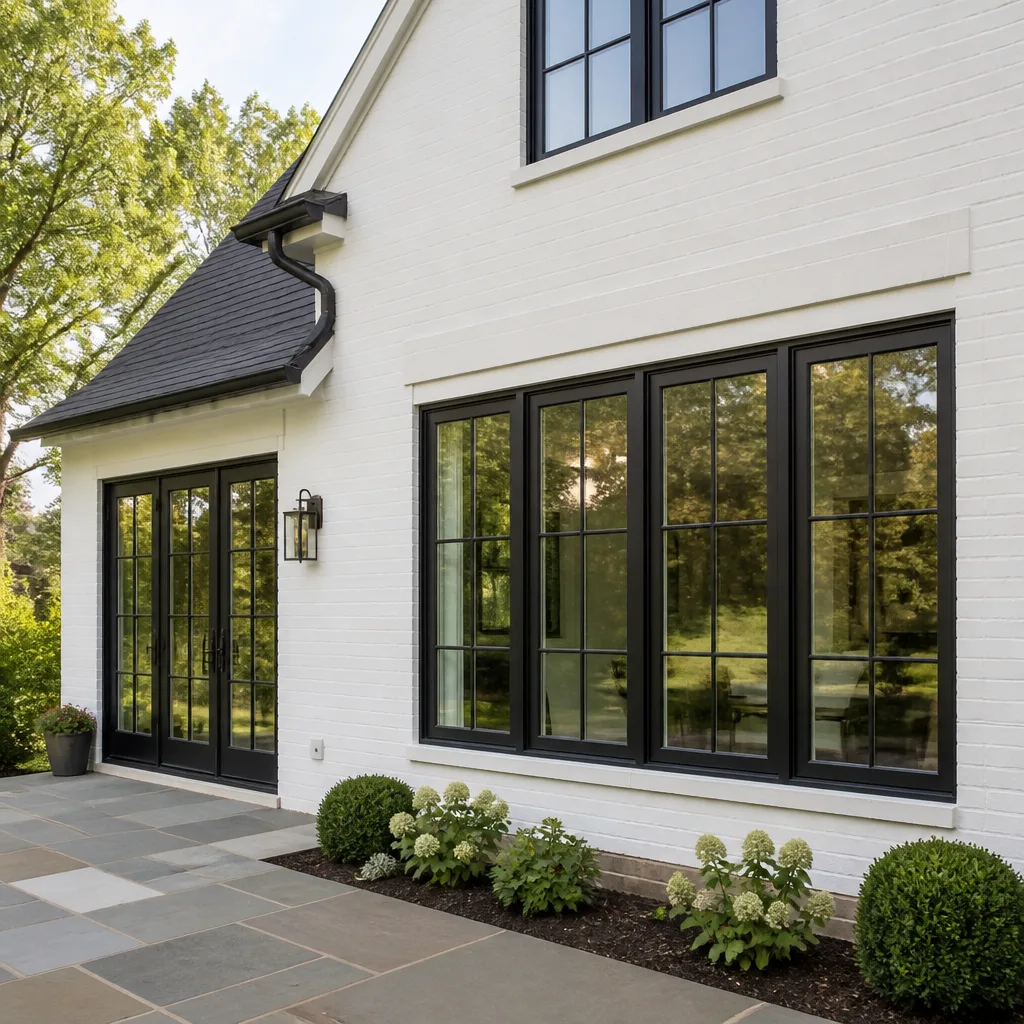 Windows & doors
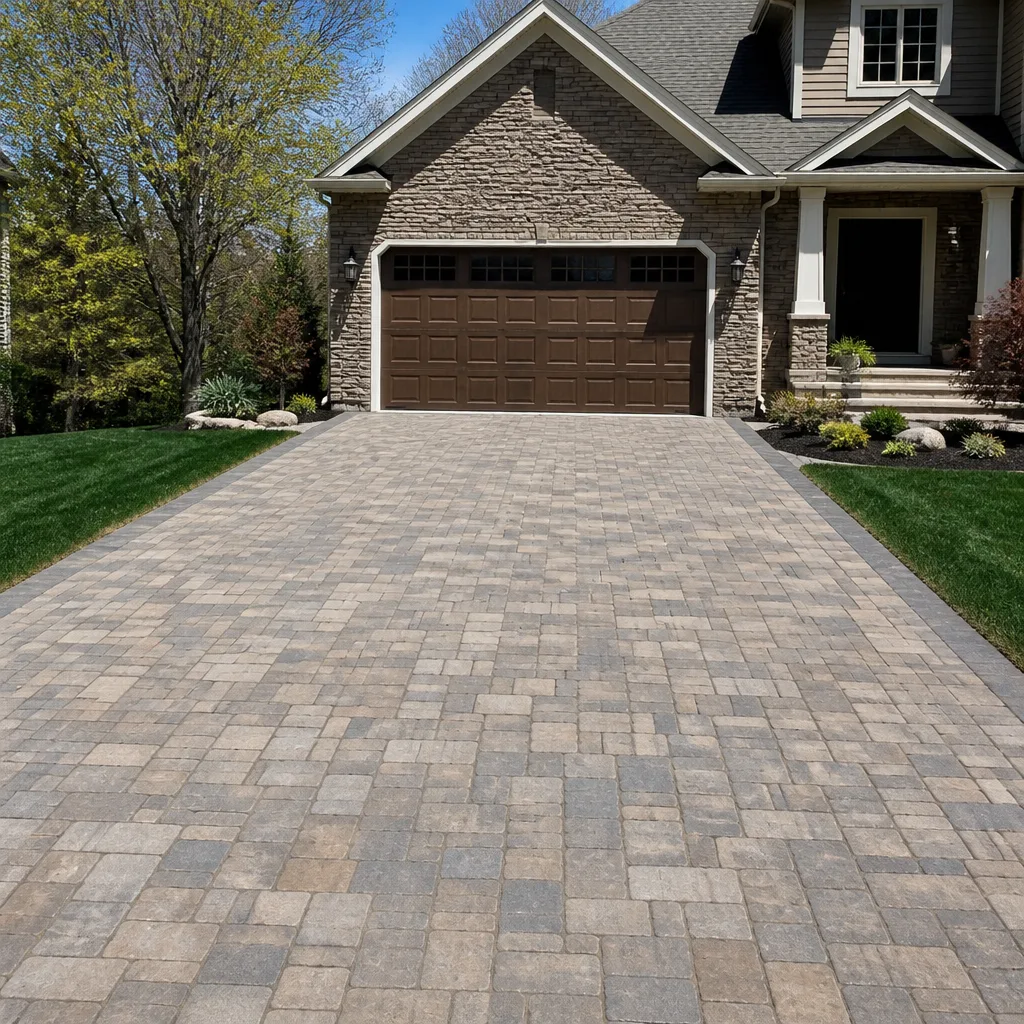 Driveway & pavers
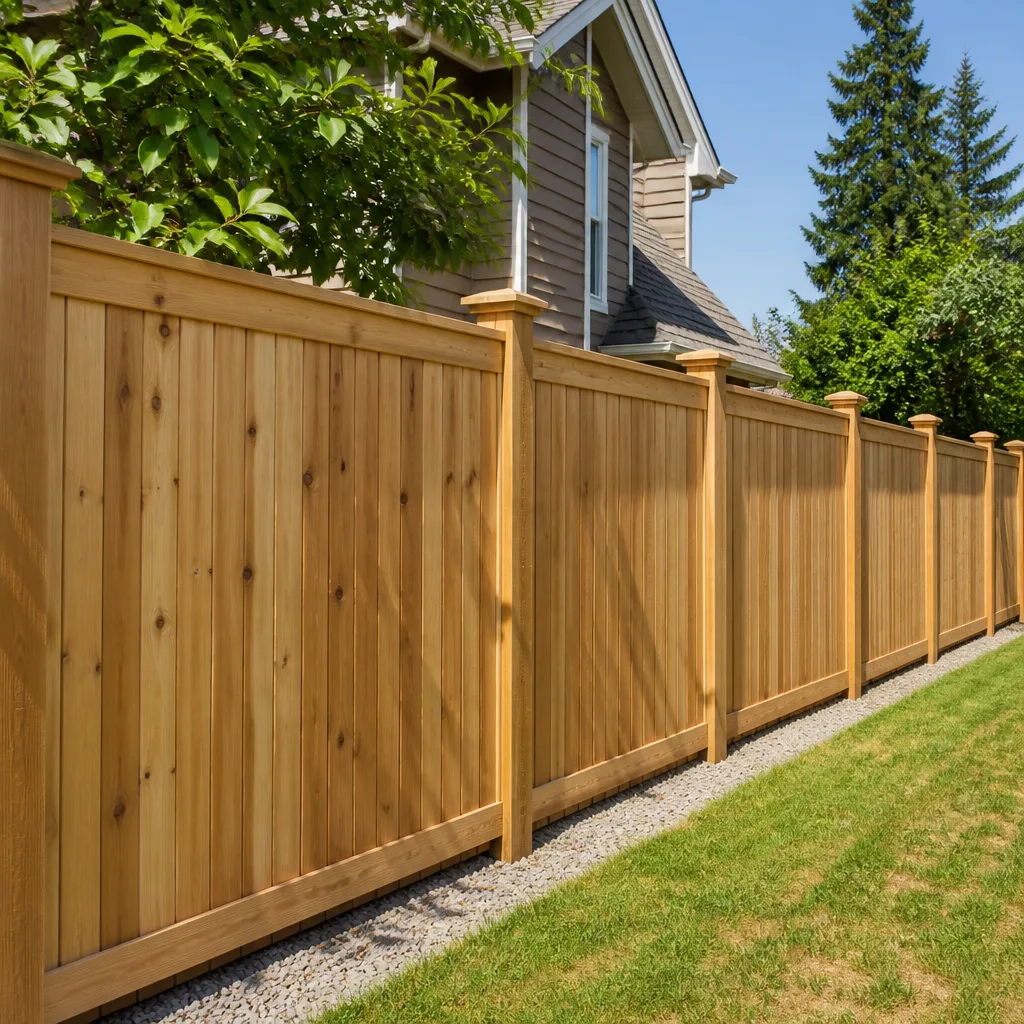 Fence
Free written scope consultation - allowances, timeline, and change-order rules on paper before a single trade is scheduled
Construction Cost Breakdown: The Santa Cruz Homeowner’s Reference for 2026
National cost estimator tools show kitchen remodels averaging $25,000 to $45,000. In Santa Cruz in 2026, that range starts roughly where a mid-grade kitchen ends, before permits, structural work, and the coastal-rated materials that replace standard specs in marine-exposed zones. This guide is built from the ground up using what we see daily in Santa Cruz: actual labor rates, actual permit fee schedules, and the real material premiums that come with building three blocks from the Pacific. You’ll learn what drives costs here specifically, what each major project type should run in 2026, and where homeowners commonly overspend without realizing it.
Quick Answer
Construction costs in Santa Cruz, CA in 2026 run 25 to 40 percent above statewide averages, with mid-range projects typically landing between $300 and $550 per square foot depending on scope and finish level. A mid-grade kitchen remodel starts around $65,000, a full roof replacement on a 1,800-square-foot home runs $22,000 to $38,000, and a detached ADU starts near $325,000 before site work. The three biggest local cost drivers are permit fees tied to coastal and hillside review, labor rates inflated by Santa Cruz’s housing market, and material upgrades required for salt-air and moisture exposure.
Styles & brands we work with
Table of Contents
- What Labor Actually Costs in Santa Cruz Right Now
- Permit Fees: The Real Numbers for Santa Cruz City and County
- Coastal-Rated Materials: What You Pay and Why
- Project-by-Project Cost Ranges for 2026
- Full-Scope GC vs. Owner-Managed: The Real Math
- Hidden Costs That Show Up in Santa Cruz Specifically
- Common Mistakes to Avoid
- When to Call a Professional
- Frequently Asked Questions
- The Bottom Line
What Labor Actually Costs in Santa Cruz Right Now
Santa Cruz labor rates are not statewide rates. They’re not even Bay Area rates. They’re a specific distortion created by geography, housing pressure, and the fact that tradespeople who work here often live over the hill in Watsonville, Scotts Valley, or even Los Gatos, then commute into a county where the median home price has made local housing unattainable for most journeymen. That commute and that housing gap show up in every bid.
Here’s what we’re seeing for subcontractor day rates and hourly charges across Santa Cruz County in 2026:
- Finish carpentry: $85 to $120 per hour. Cabinet installers who can handle inset doors and scribe-to-wall work on older Santa Cruz homes command the top of that range. The housing stock on the Westside and up in the Santa Cruz mountains frequently has settled framing, meaning every cabinet run needs scribing and shimming that flat-wall tract homes never require.
- Electrical: $110 to $160 per hour, and panel work carries a premium. Many pre-1980 homes in Santa Cruz still run 100-amp panels, which means a kitchen remodel or ADU addition often triggers a service upgrade before finish work even begins.
- Plumbing: $100 to $150 per hour. Older coastal homes frequently need cast-iron drain line replacement once walls open, a job that adds $4,000 to $9,000 to a remodel scope.
- Roofing crews: $7 to $11 per square foot installed for architectural shingle, depending on pitch and tear-off layers. Single-story homes on the flat lots near Seabright stay at the low end. Two-story homes on steep lots up in the Santa Cruz mountains add staging and safety costs that push labor to the top of the range.
- General contractor fee (GC fee): 15 to 22 percent markup on all subcontractor work and materials. This is where a General Contractor in Santa Cruz earns their margin, and it’s the line item homeowners question most. Compared to Central Valley markets like Modesto or Stockton, where day labor trades run 30 to 40 percent lower, every project category in Santa Cruz carries a meaningful labor premium simply because it has to.
What does this mean in practice? A bathroom remodel that runs $28,000 in Fresno runs $42,000 here. The person hanging the drywall and setting the tile has to live somewhere, and that somewhere costs more when it’s within driving distance of Santa Cruz.
Permit Fees: The Real Numbers for Santa Cruz City and County
Permit fees in Santa Cruz are line items, not afterthoughts, and they’re calculate differently depending on whether your project falls under City of Santa Cruz jurisdiction or unincorporated County oversight. We pull permits for almost every scope, and we’ve seen homeowners under-budget permits by 50 percent or more because national estimators use generic municipal averages that don’t reflect what the City of Santa Cruz’s coastal overlay review actually costs. For details on local requirements, see our Construction Permits, Codes & Inspections in CA: What You Need to Know.
Here are real 2026 fee structures for common project types:
- Kitchen or bath remodel (no structural change): $1,800 to $3,500 in permit fees for the City of Santa Cruz. The range depends on whether the scope triggers electrical panel review, plumbing fixture count, or mechanical ventilation requirements. County fees run 10 to 15 percent lower for similar scopes in unincorporated areas like Live Oak or Soquel.
- Structural remodel (wall removal, foundation work, additions): $4,000 to $9,000. This includes plan check, which in Santa Cruz City adds 30 to 40 percent to the base permit fee. Hillside lots trigger geotechnical review, adding another $1,500 to $3,000.
- Roof replacement: $400 to $700 for a straightforward re-roof, but any change in material type (shake to composite, for instance) triggers a structural load review that can add $500 to $1,200.
- New detached ADU (600 to 800 square feet): $9,000 to $16,000 in permit and review fees alone. Santa Cruz County has specific ADU zoning review requirements, and coastal adjacency review applies to any property within the coastal zone boundary, which covers most of the lower Westside and stretches of the Eastside. Two separate reviews, two separate fees.
- Window and door replacement (like-for-like, no structural changes): $300 to $900. But if you’re upsizing openings or adding headers, that jumps into the structural remodel range, not the window range. We source window packages from manufacturers including CGI, ECO Window Systems, and ES Windows, and the permit for an impact-rated coastal window package is the same fee as a standard vinyl insert, but the material cost difference is substantial, which the next section covers.
The pattern to understand: Santa Cruz City permits are not a flat percentage of project cost. They’re built from fixed plan check fees, coastal review fees, building fees, and utility connection charges layered on in sequence. The more times your project touches a review desk, the more each review costs. A simple answer: ask for a permit fee breakdown in writing before you sign a contract.
Coastal-Rated Materials: What You Pay and Why
Here’s the material reality that generic construction guides miss entirely: Santa Cruz sits in a marine microclimate where salt air, fog, and moisture attack building components year-round, and homes within a mile of the coast get the worst of it. Standard galvanized fasteners that last 30 years in San Jose fail in 8 to 10 years three blocks from West Cliff Drive. We replace deck hardware on beach-adjacent properties annually that inland homeowners would never need to touch.
What coastal rating actually costs, compared to standard spec:
- Stainless steel fasteners vs. standard galvanized: $0.18 to $0.45 per fastener vs. $0.04 to $0.09. On a 400-square-foot deck, that difference is $350 to $700 in hardware alone, and it’s non-negotiable within the coastal corrosion zone. Type 316 stainless is what we specify for any exterior fastening project within a mile of the water. 304 stainless corrodes faster than homeowners realize.
- Impact-rated windows vs. standard dual-pane: $85 to $160 per square foot installed vs. $40 to $75. Coastal Santa Cruz has intermittent high-wind exposure, and manufacturers like CGI and CWS build rated products that carry Miami-Dade and Texas windstorm certifications. A standard dual-pane window from a big-box supplier will not pass a coastal windload review, and the installer won’t pull the permit. The upgrade is not optional for permitted coastal work, and it’s the single largest line item we see homeowners surprised by.
- Class A fire-rated and wind-rated roofing vs. standard Class A shingle: $12 to $18 per square foot installed vs. $11 to $14. The gap tightens, but in the Santa Cruz mountains, where wildfire zone requirements intersect with high-wind exposure, an Owens Corning Duration or CertainTeed Landmark IR shingle with a modified adhesive strip is the minimum, and a GAF Timberline ArmorShield in a coastal-rated color carries a 10 to 15 percent premium over standard.
- Moisture-barrier systems: $1.50 to $2.50 per square foot for a full wall assembly with a vapor-permeable barrier like James Hardie’s HydroDefense or a modern peel-and-stick membrane, versus $0.30 to $0.50 for standard housewrap. In a marine climate where wind-driven rain penetrates standard wraps within five years, the upgrade pays for itself in rot prevention, but it is an upgrade you will not see on a national estimator’s default assumptions.
The takeaway: if you’re building a budget off a national calculator and then shopping Santa Cruz bids, you’ll be off by 15 to 20 percent on materials alone before labor enters the equation. The coastal premium is real, it’s provable in unit costs, and it’s why we specify products by manufacturer rather than saying “premium window” or “quality shingle.” The material has a name. That name has a rating. That rating is what you’re paying for.
Project-by-Project Cost Ranges for 2026
Here are the ranges we’re seeing across Santa Cruz County in 2026, with the variables that decide where your project lands inside each band. These are not State of California averages. They are Santa Cruz numbers built from local material, local labor, and local permit realities.
Kitchen remodel (mid-range, 200 square feet): $65,000 to $95,000
- The single biggest swing factor is cabinet construction. Stock cabinet lines like KraftMaid run $180 to $320 per linear foot installed. Semi-custom lines like Wellborn run $400 to $700. Custom runs $800 to $1,400. The cabinet budget alone can move the total by $25,000.
- Countertop material follows a similar curve: a mid-grade Caesarstone or Silestone quartz surface runs $85 to $120 per square foot installed, while a premium Cambria slab runs $120 to $175. Quartz is the right call in Santa Cruz kitchens because it won’t etch from the hard water that’s standard here, but that spec decision is a cost decision.
- If the house is pre-1980 with a 100-amp panel, add $4,000 to $7,000 for the service upgrade. If cast-iron drains are present, add $4,000 to $9,000 for re-piping.
- Every kitchen remodel above $50,000 should include a written line-item allowance schedule for each finish category. Without one, you’re guessing, and guessing is how six-figure surprises happen.
Full roof replacement (1,800-square-foot home, single story): $22,000 to $38,000
- Tear-off of one existing layer is included in that range. A second tear-off layer adds $4,000 to $7,000.
- Shingle choice moves the number meaningfully: a GAF Timberline architectural shingle runs the middle of that band. CertainTeed Grand Manor or Owens Corning Woodcrest in premium colors run the top. A Boral concrete tile roof starts at $45,000 and goes up from there, and it’s common in the hills where fire rating matters.
- Roof pitch is the hidden variable. A 4:12 ranch near the beach is straightforward. A 7:12 or steeper roof on a Santa Cruz mountains home adds staging, safety harnesses, and 15 to 25 percent to the labor line.
Detached ADU (650-square-foot prefab, site-built foundation): $325,000 to $480,000
- This is the range most homeowners get wrong because national ADU calculators use land costs and gray-area permit assumptions. Santa Cruz County’s ADU review process adds real cost that generic calculators never model.
- The prefab structure itself, from a manufacturer like Abodu or Plant Prefab, runs $185,000 to $260,000 delivered and set. Site work, foundation, utility trenching, and connection fees add $90,000 to $160,000. That site work number is the one national calculators understate by 40 to 60 percent in Santa Cruz specifically, because trenching, retaining, and hillside grading cost more here than anywhere within 50 miles.
- If the property is in the coastal zone, add $8,000 to $15,000 in review time and fees. Time is money: every month of entitlement adds carrying cost that shows up in the final build budget.
Full window and door package (15 windows, 2 exterior doors, single-story): $45,000 to $85,000
- The range is this wide because impact-rated coastal windows from ECO Window Systems or CGI run $85 to $160 per square foot installed, while standard dual-pane vinyl inserts run $40 to $75. If your home falls in a coastal wind-load zone, the lower number is not available to you, legally, with a permit.
- Door replacement follows the same logic. A fiberglass entry door from Therma-Tru with a rot-resistant frame runs $2,800 to $5,200 installed. A budget steel door from a home center runs $900. In Santa Cruz’s marine air, that steel door will rust at the threshold within four years. The Therma-Tru door won’t. That’s the difference, and it’s why the range exists.
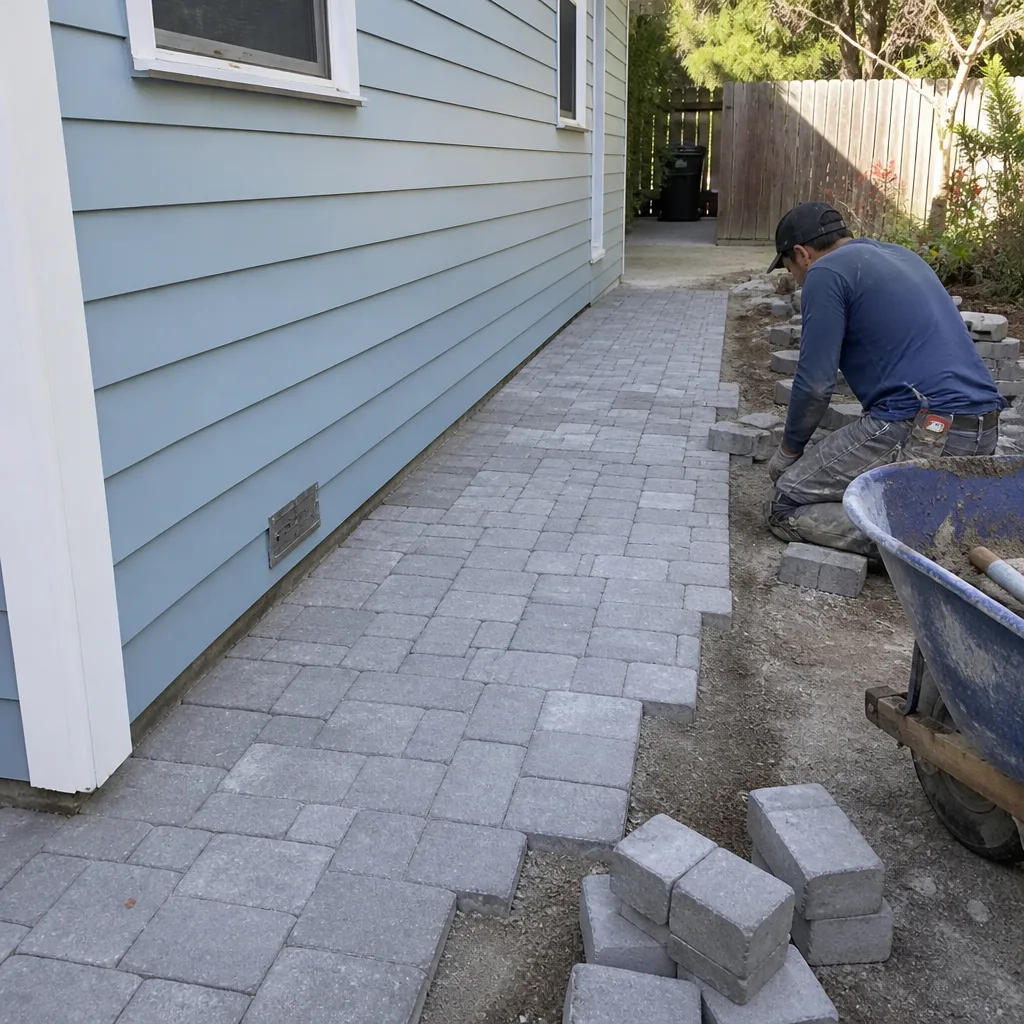
Hardscape installation (600-square-foot paver patio with retaining wall): $18,000 to $34,000
- Paver product quality drives the spread. A Belgard or Techo-Bloc paver system runs $28 to $45 per square foot installed. A Cambridge Pavers or Unilock system in a mid-tier line runs $18 to $28 installed. The difference is in the base system: premium pavers carry a 10-year product warranty and hold color longer under direct coastal sun, and the base prep standard (4 inches of compacted road base vs. 2) is the difference between a patio that settles in year three and one that holds flat for 15.
- Retaining walls of any height over 3 feet in Santa Cruz County require an engineered design and permit, adding $2,000 to $5,000. Walls over 4 feet trigger geotechnical review. This is a cost item that shows up in almost no online estimator, and it’s local to Santa Cruz’s hillside zoning requirements.
If you’re comparing these numbers to quotes you’ve received, understand that the variables matter more than the headline figure. The same 200-square-foot kitchen in the same Santa Cruz neighborhood can bid $65,000 or $95,000 based almost entirely on which cabinet line, which quartz brand, and which plumbing fixtures are specified. What we tell every client: get the allowance sheet first, then compare quote numbers. Otherwise you’re comparing guesses.
See the difference
 Before
 After
 Before
 After
 Before
 After
Full-Scope GC vs. Owner-Managed: The Real Math
Homeowners in Santa Cruz sometimes ask us whether they’d save money managing subcontractors themselves: hiring the electrician, the plumber, the drywaller, the tile setter, the painter, each on a separate agreement. The honest answer is that sometimes they can, but only on small scopes, and only if nothing goes sideways. Here’s the math on a typical whole-home scope we see across Santa Cruz.
Consider a full Home Remodeling in Santa Cruz project: kitchen, two baths, flooring, and a window package. Total hard costs at Santa Cruz 2026 rates land around $130,000 to $170,000. A GC fee of 15 to 22 percent adds $19,500 to $37,400. That’s the line item homeowners focus on, and it looks like savings if you skip it.
What an owner-managed project actually costs:
- Coordination time: a full-scope remodel in Santa Cruz runs 6 to 10 months with a GC. Owner-managed, add 40 to 60 percent to the schedule. Every scheduling gap between trades is carrying cost, and every gap is a month of mortgage payments, property tax, and insurance on a house no one’s living in.
- Subcontractor access: the named-brand trades in Santa Cruz, the ones who can pass coastal inspections and carry worker’s comp, work for general contractors first. When an owner calls, the good subs are booked 8 to 12 weeks out. The ones available immediately are available for a reason.
- Change order exposure: a GC absorbs mid-project scope adjustments within the contract line items. An owner-managed project renegotiates each adjustment with each trade, at prevailing spot rates, which are always higher than contracted rates.
- Inspection risk: when a GC pulls the permit, the GC owns the correction list. When an owner pulls the permit, the owner owns the correction list. In Santa Cruz City, a failed rough inspection on a coastal-zone project can mean a two-to-four-week reschedule, and every failed inspection is real money in subcontractor return-trip fees.
The owner-managed route works for a fence replacement with two trades and a two-week schedule. It does not work for a whole-home Home Renovation in Santa Cruz scope with structural changes, coastal review, and five-plus trades. The GC fee is the price of one accountable party who has already fixed this problem in this county. For most of what we see in Santa Cruz, that’s a fair trade.
Hidden Costs That Show Up in Santa Cruz Specifically
These are line items we’ve watched surprise Santa Cruz homeowners, year after year, despite careful research on their end. Most of them appear nowhere in national cost data because they are products of local conditions.
Hillside access and material handling: homes on the Westside and in the Santa Cruz mountains often sit on slopes where a concrete truck can’t pour directly into a footing form. A pump truck adds $500 to $1,500 per pour. If the slope requires hand-carrying materials, labor days inflate by 20 to 30 percent. Flat-lot assumptions don’t apply to a meaningful share of Santa Cruz’s housing stock.
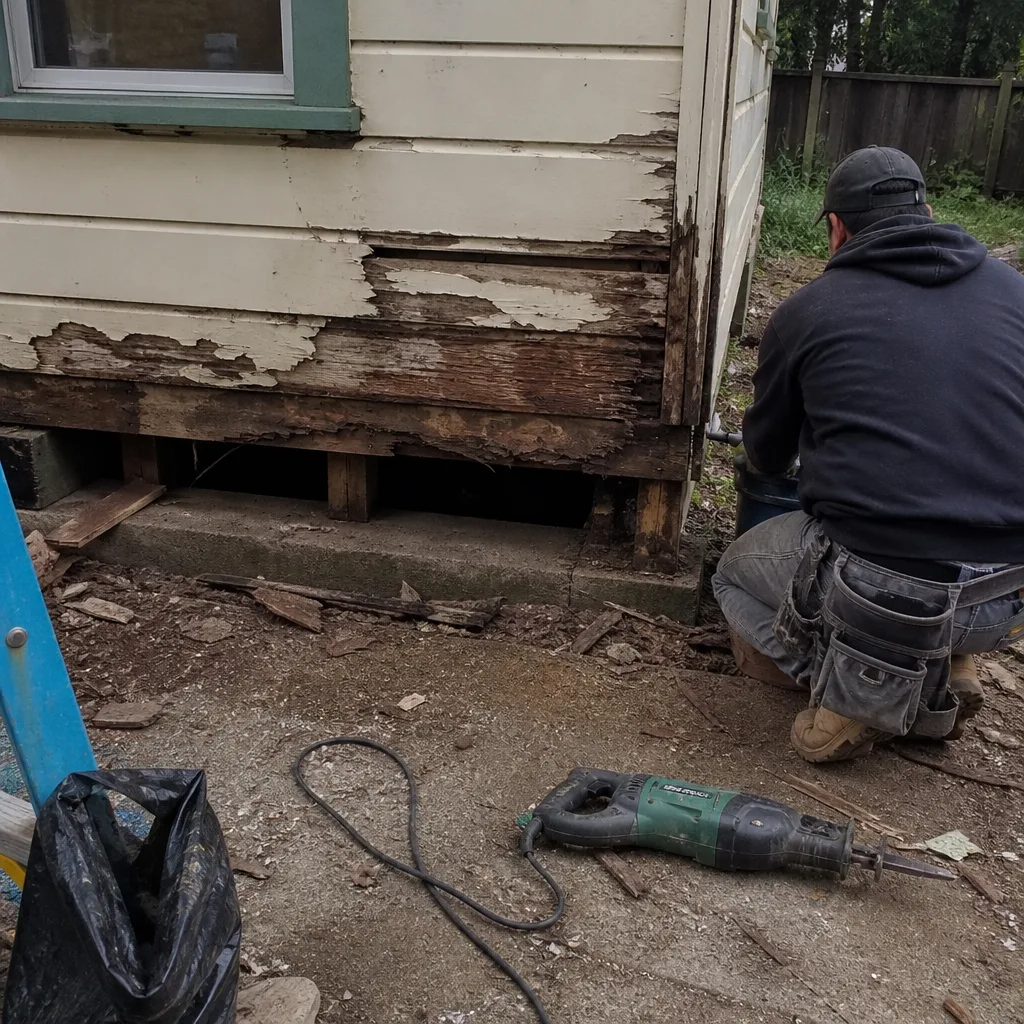
Dry rot repair: most coastal homes built before 1990 will reveal some degree of dry rot once siding or stucco opens. Budget $1,500 to $8,000 per project for sheathing and framing repair that you cannot see until demolition starts. In Santa Cruz’s marine air, this is not an exception; it’s an expectation.
Utility service upgrade triggers: when a Home Remodeling in Santa Cruz project adds significant electrical load, PG&E involvement can trigger service entrance upgrades that run $3,000 to $8,000 before the electrician’s scope even starts. If the home has overhead service, which many older Santa Cruz homes do, the upgrade is frequently mandatory for permit sign-off.
Coastal zone review delays: any project within the City of Santa Cruz coastal overlay goes through a separate review layer. A kitchen remodel with no structural changes typically clears in the standard permit window, but anything with exterior modifications, additions, or new structures can add 6 to 12 weeks to the entitlement timeline. In a 2026 construction market where financing costs and material escalation are both real, that delay has a dollar figure attached.
Dumpster and debris costs: a full-scale remodel in Santa Cruz generates 20 to 40 cubic yards of debris. If the job site has limited access, the container sits on the street and requires a City of Santa Cruz encroachment permit at $80 to $200, plus the hauling fees. On narrow Westside streets, this is a real line item that inland calculators never include.
Budget a contingency of 12 to 18 percent for any Santa Cruz project over $50,000, rather than the 10 percent standard advice. The extra margin is for the rot you can’t see, the pipe that’s not where the drawings say it is, and the two-week delay from a coastal review desk that returned your plans with comments. Plan for it, and it’s not a crisis; it’s just the project.
Common Mistakes to Avoid
- Pricing a Santa Cruz project off national or San Jose averages: a national estimator’s “California average” is not a Santa Cruz number, and a San Jose number is 15 percent low because South Bay labor markets differ from coastal Santa Cruz labor markets. Use local bids, not Zillow or HomeAdvisor ranges.
- Omitting the coastal material premium from the budget: if your home is within a mile of the water, standard fasteners, standard windows, and standard exterior trim are not allowed under coastal permitting. Build the Type 316 stainless, the impact-rated window package, and the marine-rated exterior materials into the plan from day one.
- Signing a fixed-price contract without a line-item allowance schedule: a fixed price with unspecified allowances is not a fixed price. It’s a starting point. The allowance schedule is where every finish decision lives, and without it in writing, you’re signing a number with no materials attached to it.
- Pulling the owner-builder permit to save the fee: in Santa Cruz County, owner-builders assume liability exposure and scheduling burden that a GC fee is designed to absorb. For scopes over $30,000, the savings rarely survives contact with a single failed inspection.
- Ignoring foundation and drainage realities on hillside lots: Santa Cruz hillside homes need drainage corrections that flat-lot contractors never mention. Water moves through Santa Cruz’s clay soils in ways that undermine patios, retaining walls, and foundation perimeters. Address drainage before you build the patio, not after it cracks.
- Choosing materials based on look alone: quartz brands, window manufacturers, and shingle lines are not interchangeable. A Cambria surface and a budget quartz slab may look the same on a showroom wall, but one carries a manufacturer warranty that travels through installation, and one does not. Ask about the warranty before you ask about the color.
- Starting construction without confirming permit review timelines: in Santa Cruz City, the coastal overlay can add three months to a project’s pre-construction phase. If you sign a loan with a construction draw schedule that assumes a 30-day permit window, you will miss draw dates and pay the cost of the gap. Verify the review timeline before you sign anything.
When to Call a Professional
Some Santa Cruz projects genuinely can be DIY or owner-managed: painting interior rooms, replacing a bathroom faucet, hanging a new light fixture. But call a licensed contractor when the scope touches structure, moisture, or coastal code compliance. If you’re removing walls, relocating plumbing, replacing a roof, adding square footage, or pulling an ADU permit, the first phone call should be to a professional who has worked in Santa Cruz County long enough to know what the coastal review desk is going to flag before they flag it. For more on what to watch for, see our Construction Warning Signs: A Santa Cruz Homeowner’s Reference Guide.
Spruce Contractors offers free estimates in Santa Cruz, and our team works with more than 50 name-brand manufacturers so you know exactly which materials will go into your project before the first day of demolition. We handle the full scope under one contract: roof, windows, kitchen, bath, fencing, pavers, and prefab ADUs from manufacturers including Abodu and Boxabl. Call (877) 265-5771 for a free estimate, or visit the Spruce Contractors home page to see the full range of what we build.
Frequently Asked Questions
A mid-range kitchen remodel in Santa Cruz runs $65,000 to $95,000 in 2026, with cabinet construction, countertop brand choice, and the need for electrical panel or drain line upgrades as the biggest swing factors. Call (877) 265-5771 for an exact quote specific to your home; estimates are free.
Santa Cruz construction costs run 25 to 40 percent above statewide averages because of three compounding factors: labor rates inflated by the county’s housing costs, permit fees layered through coastal and hillside review desks, and material upgrades required for marine air exposure. National estimators model none of these accurately, which is why local cost data matters so much.
A full roof replacement on a typical 1,800-square-foot Santa Cruz home runs $22,000 to $38,000 depending on shingle grade, roof pitch, and tear-off layers. Homes in the Santa Cruz mountains with steep pitches and wildfire zone requirements land at the top of that range or above.
If your home falls within the coastal wind-load zone, which covers much of the lower Westside and stretches of the Eastside, impact-rated windows from manufacturers like CGI or ECO Window Systems are required for a permitted replacement. The upgrade adds roughly $45 to $85 per square foot over standard dual-pane, and it is not optional within that zone.
Permit and review fees for a detached ADU in Santa Cruz County typically run $9,000 to $16,000, with coastal adjacency review adding to the total for properties within the coastal zone. This is one of the most under-budgeted line items we see, because national ADU calculators use generic municipal figures.
For small scopes with one or two trades, owner management can save the GC fee, but on any Santa Cruz project over $50,000, coordination time, subcontractor access, inspection risk, and change order exposure typically erase the savings and then some. The GC fee is the price of single-party accountability, and in Santa Cruz’s coastal permit environment, that accountability is worth the line item.
The Bottom Line
Santa Cruz construction costs in 2026 are what they are for structural reasons: labor priced to a brutal housing market, permits layered through coastal and hillside reviews, and materials that have to survive salt air, moisture, and wind. The homeowners who build confidently here are not the ones who sourced the lowest bid. They’re the ones who built a realistic local budget, specified materials by brand and warranty, and hired a contractor who could tell them exactly where the coastal premium landed and why. That’s the difference between a project that ends on budget and one that ends in a surprise. Get your free estimate and a detailed line-item breakdown: call Spruce Contractors at (877) 265-5771.
Written by the team at Spruce Contractors, serving Santa Cruz since 2014.