
Last updated October 31, 2026
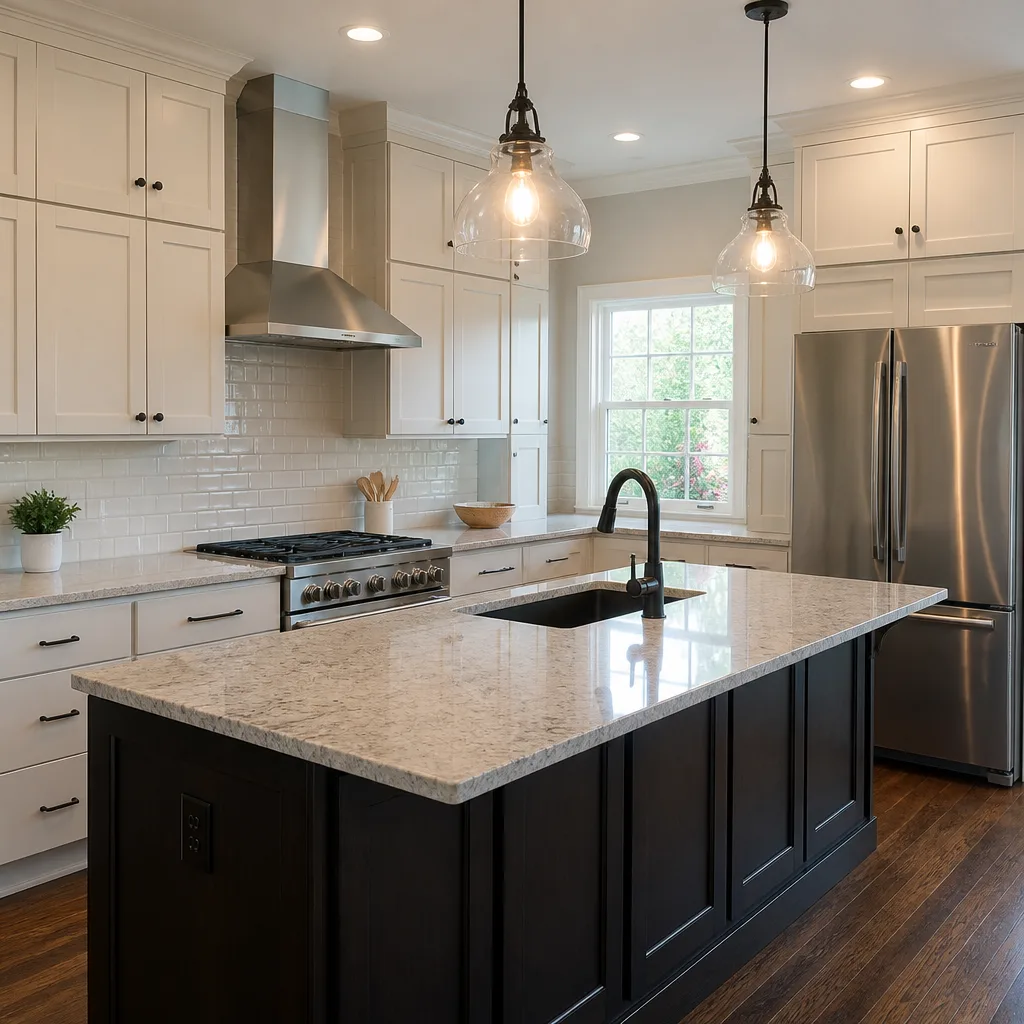 Kitchen remodeling
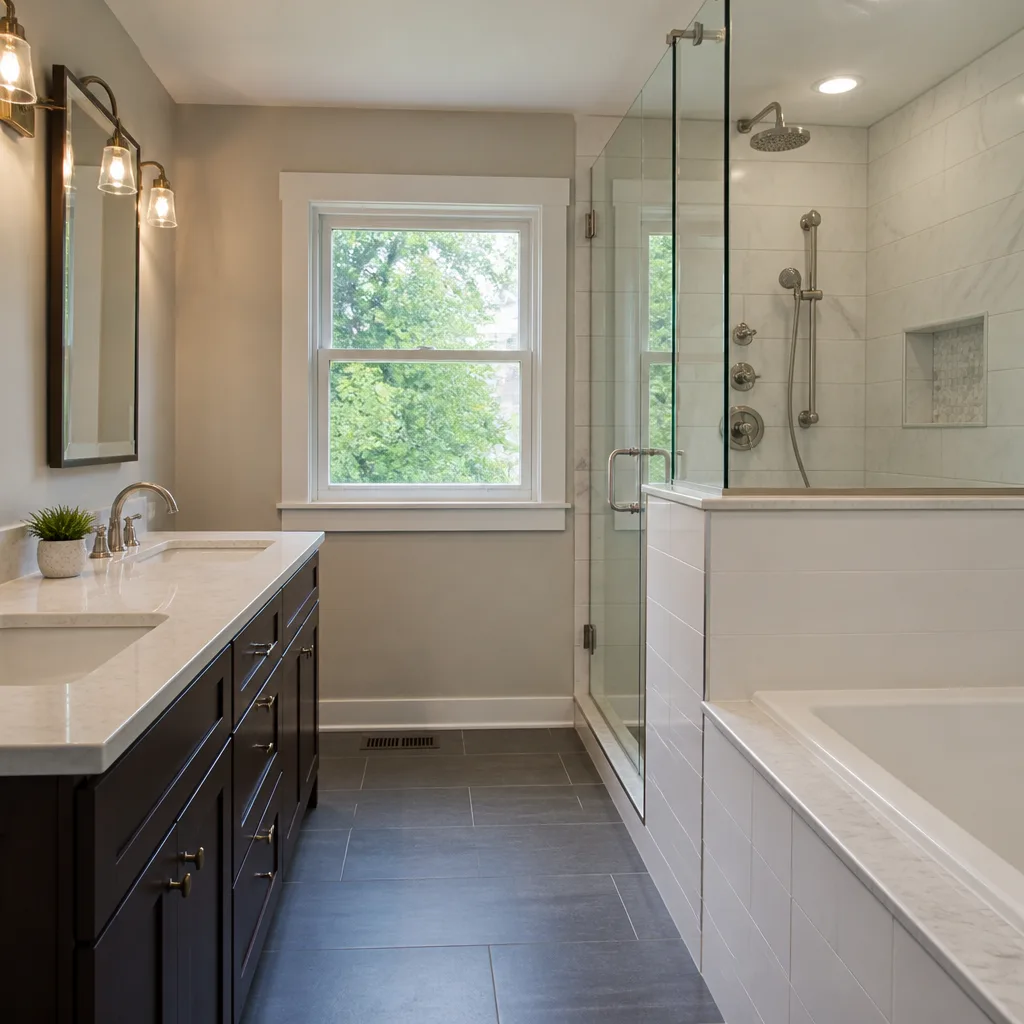 Bathroom remodeling
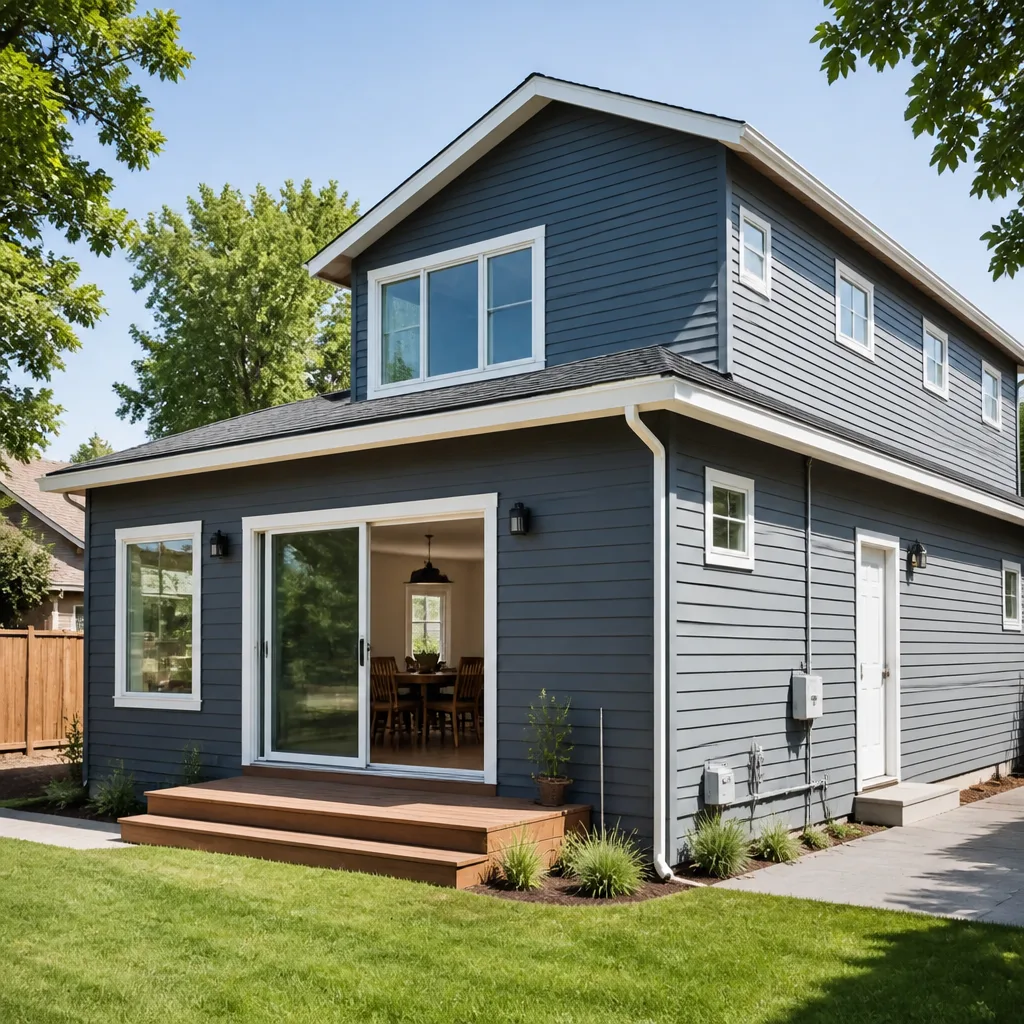 Home additions & ADU
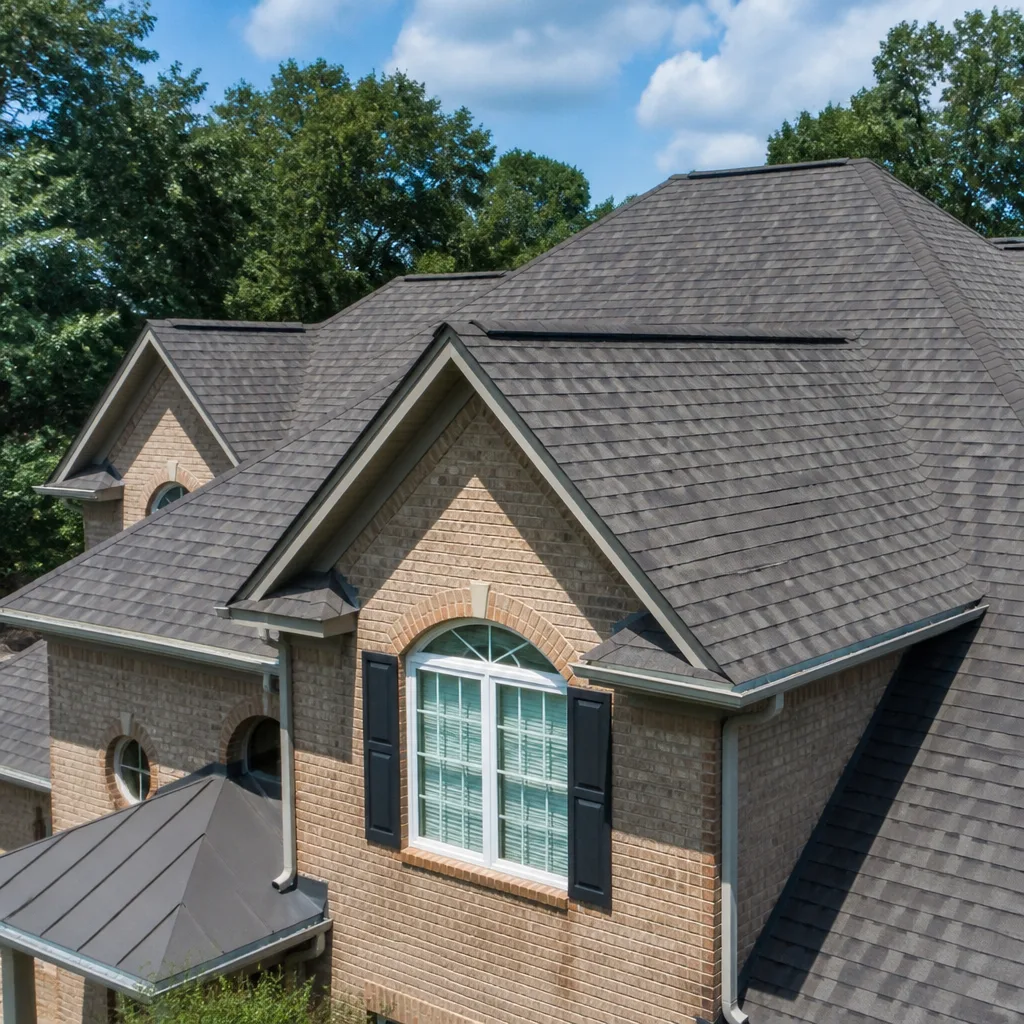 Roofing
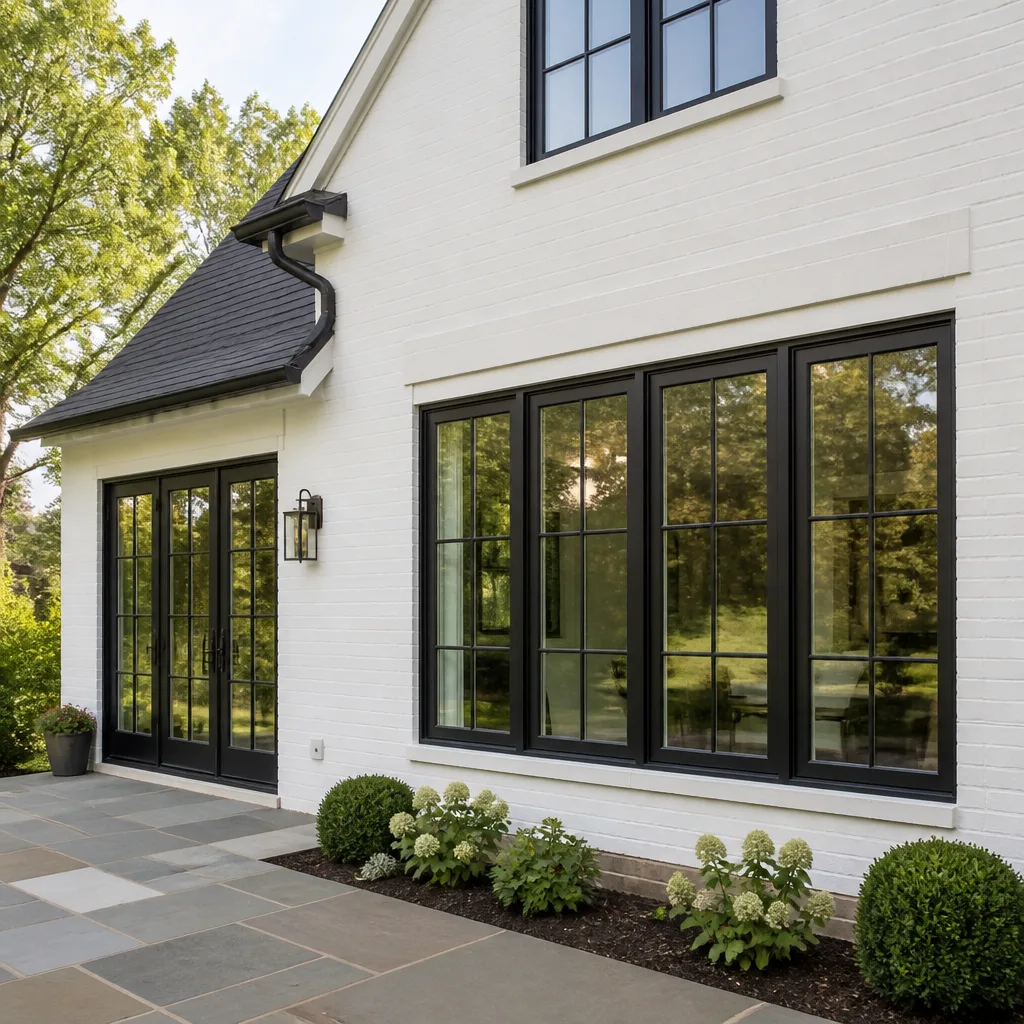 Windows & doors
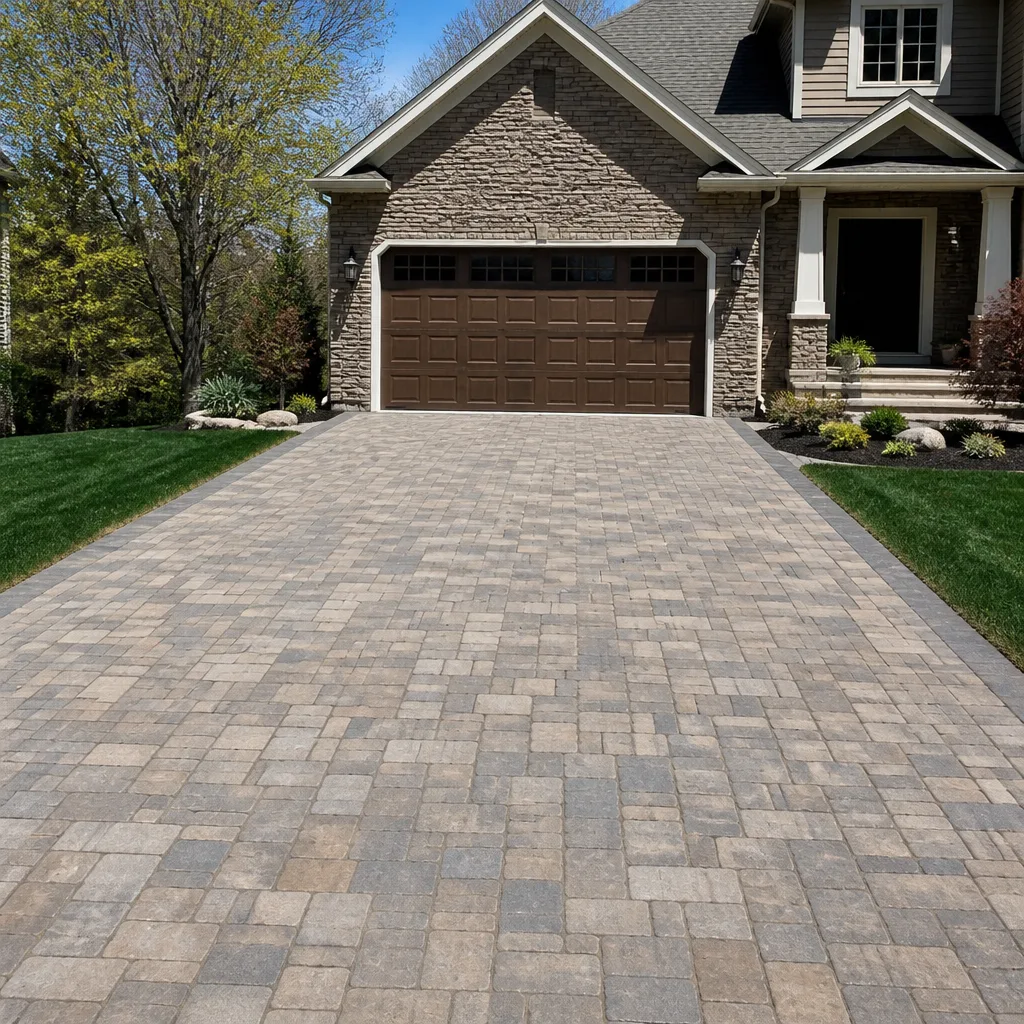 Driveway & pavers
 Fence
Free written scope consultation - allowances, timeline, and change-order rules on paper before a single trade is scheduled
The Complete Guide to Construction in Santa Cruz
Santa Cruz County and the City of Santa Cruz operate under two separate building departments with different fee schedules, inspection timelines, and code amendments. That jurisdictional split catches out-of-area contractors and homeowners on nearly every project. This guide maps the full terrain, from permits, codes & inspections and geologic hazard zones to material selection and contractor coordination, so you know what you’re actually getting into before you spend a dollar in Santa Cruz.
Quick Answer
Construction in Santa Cruz means navigating one of two building departments depending on whether your parcel falls inside city limits or unincorporated county land, a distinction that changes permit fees, inspection schedules, and code requirements by weeks. Coastal setbacks, hillside soils, and liquefaction zones frequently trigger additional soils reports and peer reviews before a permit is ever issued. The most efficient path is working with a single general contractor who understands both jurisdictions and can coordinate every trade, from kitchens and roofing to windows and fencing, so the permit process and construction timeline compress significantly.
Styles & brands we work with
Table of Contents
- City vs. County: Which Department Governs Your Parcel
- Geologic Hazard Zones and What They Trigger
- What Construction Actually Covers on a Santa Cruz Property
- The Santa Cruz Permit Process, Step by Step
- Material Selection for Coastal Environments
- Why One Contractor Across Multiple Trades Compresses Your Timeline
- Licensed Subcontractors vs. General Contractor Oversight
- Realistic Construction Costs in Santa Cruz
City vs. County: Which Department Governs Your Parcel
This is the single most misunderstood piece of construction logistics in Santa Cruz. The City of Santa Cruz Building Department governs only parcels inside city limits. Everything else, from Live Oak and Soquel to the San Lorenzo Valley, Aptos, and the Westside’s peripheral neighborhoods, falls under Santa Cruz County’s Building and Safety Division. The two departments use different permit software platforms, different fee schedules, and different inspection routing systems. A kitchen remodel in Soquel does not move through the same process as a kitchen remodel on the City’s Westside, even though they sit four miles apart.
We’ve seen homeowners lose three to four weeks simply because their contractor assumed the wrong jurisdiction at intake. Your parcel number and a quick check with the county assessor’s office settle the question in about ten minutes. From there, every timeline estimate changes. City of Santa Cruz typically assigns plan review dates faster on smaller residential alterations, while the county often moves quicker on coastal-adjacent additions because they process more of them annually. Neither is universally faster; the variable is what you’re building and where.
The practical takeaway is this: before you sign a design contract, confirm which department will govern your project. Ask your contractor to walk you through the specific review path. If they cannot name which department handles your address, they have not started the real work. For homeowners on the edge of city limits or in unincorporated pockets like Pasatiempo or the Summit area, this single clarification determines whether your permit costs reflect city fees or county fees, plus any applicable coastal zone overlays.
Geologic Hazard Zones and What They Trigger
Santa Cruz sits on a complex patchwork of coastal terraces, uplifted marine sediments, and active fault traces. The California Geological Survey has mapped liquefaction zones across significant portions of the county, especially in lower-lying areas near the San Lorenzo River, the flats around Seabright, and portions of Watsonville. Landslide hazard zones cover sections of the San Lorenzo Valley, the coastal bluffs, and the steep terrain inland. When your parcel falls inside one of these mapped zones, the building department will not issue a permit without a geotechnical report.
That report does more than describe soil composition. It dictates foundation type, drainage requirements, and in some cases, the structural system itself. For a hillside home addition in the San Lorenzo Valley, expect a soils engineer to take borings, analyze slope stability, and produce recommendations that flow directly into the structural engineering. The cost typically runs $3,000 to $8,000 depending on access and scope, and the review adds two to six weeks to the pre-permit phase.
Coastal bluff properties face an additional layer. The California Coastal Commission retains jurisdiction over blufftop development, and Santa Cruz County enforces strict setback requirements based on projected erosion rates over the next 50 to 75 years. On West Cliff Drive and along the Opal Cliffs area, we’ve seen projects require peer review by a second geotechnical firm before the county would even schedule the first plan check. Homeowners buying or building near the coast should budget both money and calendar time for these reviews; they are not optional and they are not quick.
What surprises most homeowners is that even a simple retaining wall over four feet tall on a sloped lot can trigger the same soils review. The rule of thumb in Santa Cruz: if your project disturbs soil below the surface on a slope steeper than roughly 15 percent, plan for a geotechnical conversation. Better to know on day one than to discover it in plan check.
What Construction Actually Covers on a Santa Cruz Property
The word “construction” in Santa Cruz spans far more than building a new house. In practice, homeowners use it to mean any permitted alteration to the structure or the land. That includes roof replacement, kitchen and bath remodeling, window and door replacement, siding, fencing, hardscaping, and the increasingly popular prefab accessory dwelling unit. Each of these categories carries different permit requirements and different trade licensing obligations.
- Roofing: Reroofing requires a permit in both the city and county. In the county, certain re-cover situations over existing asphalt shingles may qualify for a simplified process, but any tear-off and new underlayment installation triggers inspection requirements for nailing patterns and flashing details.
- Kitchen and bath remodeling: Moving plumbing or electrical lines triggers separate sub-permits. Even a like-for-like cabinet replacement usually requires a permit if the scope touches walls, floors, or utility connections.
- Windows and doors: Replacement windows fall under the building code’s energy provisions. Santa Cruz is in Climate Zone 3, which sets specific U-factor and SHGC requirements. Impact-rated products from manufacturers like PGT and CGI are common choices for coastal exposure.
- Fencing: Fences over six feet require a permit with setback verification. On corner lots and along coastal bluff areas, additional height and sightline restrictions apply.
- Hardscaping: Permeable paver systems from brands like Belgard and Techo-Bloc are increasingly favored in Santa Cruz because they help meet stormwater retention requirements that impermeable concrete cannot.
- ADUs: Prefab units from companies like Abodu and Dvele have largely smoothed the ADU permit path in Santa Cruz County, which now mandates ministerial approval for units meeting state standards. That does not eliminate site-specific soils and setback reviews, but it shortens the discretionary phase considerably.
For a fuller picture of what renovation work looks like in practice, our guide to Home Remodeling in Santa Cruz walks through the phases of a typical full-home remodel, from design through final inspection.
The Santa Cruz Permit Process, Step by Step
Most people enter the permit process with no clear picture of the sequence. Here is the path most residential projects in Santa Cruz actually follow, from concept to final sign-off.
- Confirm jurisdiction. Determine whether your parcel is in City of Santa Cruz or unincorporated Santa Cruz County. This determines which building department you’ll work with, which fee schedule applies, and which coastal overlay rules may apply.
- Run a preliminary zoning check. Before you design anything, confirm setbacks, height limits, lot coverage, and any coastal zone restrictions. The county’s online GIS portal makes this relatively fast, but a contractor who knows the local amendments will spot conflicts faster than a homeowner scanning code text.
- Assess geologic triggers. If your parcel is in a mapped liquefaction or landslide zone, or if the project involves slope work, commission the geotechnical report early. No point designing a foundation that the soils report may change.
- Develop plans and structural drawings. For anything beyond a straight roof replacement or minor remodel, you’ll need architectural or design drawings plus structural calculations. This step is where material selection starts to matter: the structural engineer needs to know roof system weights, window sizes, and load paths.
- Submit for plan check. Both the City and County use digital submittal portals. Typical first-pass plan review for a kitchen remodel runs two to four weeks; a full addition with coastal review can run eight to twelve weeks before you see comments.
- Address plan check comments and resubmit. First-pass approval rarely happens. Expect at least one round of corrections, usually around structural details, energy compliance, and drainage.
- Pull the permit and schedule inspections. Once the permit is issued, work can begin. Inspection scheduling differs by department: the City typically allows same-week scheduling, while the County’s busier inspection routes can run several days out. Missing an inspection sets the whole sequence back.
- Complete and close out. Final inspection clears the permit. For roofs, that’s the nailing inspection plus the final reroof sign-off. For additions, it’s the full sequence: foundation, framing, rough electrical and plumbing, insulation, drywall, final.
For homeowners considering larger structural or whole-home work, our guide to Home Renovation in Santa Cruz covers the renovation-specific decision points that differ from smaller remodeling projects.
Material Selection for Coastal Environments
Santa Cruz’s coastal climate does not treat materials neutrally. Salt air, persistent morning fog, and seasonal rain cycles accelerate corrosion on exposed metals, break down cheap sealants, and test the moisture resistance of every exterior surface. Material selection here is not an aesthetic exercise; it is a durability calculation.
On the roofing side, the major asphalt shingle manufacturers all produce coastal-specific product lines. We specify GAF for its wind warranty and wide contractor network, CertainTeed when homeowners want a broader color palette, and Owens Corning for mid-tier value with solid tear strength. Metal roofing, standing seam specifically, has grown popular in Santa Cruz because it resists salt corrosion better than exposed fastener systems, and it carries lower maintenance needs over a 40-plus-year lifespan. The tradeoff is higher upfront cost and a more involved installation.
For windows and doors, the coastal exposure rating matters. We typically recommend impact-rated or at minimum coastal-rated aluminum or vinyl frames from manufacturers like PGT, CGI, or Therma-Tru for exterior doors. The salt spray environment shortens the life of unrated hardware, so hinge and lock selection is not a place to save money.
Framing and exterior cladding face similar pressure. In Santa Cruz’s fog belt, we favor James Hardie fiber cement siding over wood lap in most applications because it holds paint longer and resists rot in the persistent moisture. For trim and fascia, composite boards outperform primed wood by a wide margin. When clients want a natural wood look, we talk honestly about maintenance intervals and recommend high-quality sealants applied at installation, not after the first winter.
Plumbing fixture selection also shifts in coastal contexts. Brands like Kohler, Moen, and Grohe are standard for us because their internal components hold up better against the mineral content in Santa Cruz water, which runs hard in many service areas. Delta and Toto fixtures also appear regularly in our specifications when homeowners prioritize touchless or water-efficient designs.
If you’re curious how these material choices fit into a broader remodeling strategy, see our page on General Contractor in Santa Cruz.
Why One Contractor Across Multiple Trades Compresses Your Timeline
Sequential specialty contractors multiply your scheduling pain. Here is the pattern we see repeatedly: a homeowner hires a roofer, waits two weeks for the roofer’s schedule, then hires a window contractor, waits again, then starts the kitchen with a separate remodeler, and discovers the roofer’s flashing details complicate the window install. Each trade handoff introduces downtime, miscommunication, and rework. On a multi-trade project, the gap between each sub’s availability becomes the project’s critical path.
A single general contractor managing roofing, windows, siding, hardscaping, and interior remodel runs those trades in parallel where possible and in sequence only where the work demands it. On a recent Santa Cruz project we coordinated, the roof tear-off overlapped with new window installation, which allowed the siding crew to start the same week the roofers finished. The client avoided roughly six weeks of handoff delays compared to hiring each trade separately.
This compression matters beyond convenience. Borrowing costs, rental housing, and the carrying costs of a partially finished home all rise with timeline length. In Santa Cruz’s high-cost market, every week of avoided delay is real money. One contractor, every trade, under one contract also means one point of accountability when an inspection fails or a detail needs adjustment. The general contractor absorbs the coordination burden instead of the homeowner playing dispatcher.
Licensed Subcontractors vs. General Contractor Oversight
Santa Cruz permits some work directly to homeowners or to specialty contractors, but the licensing rules change by trade and by project scope. Electrical, plumbing, and HVAC work requires state-licensed subcontractors in almost every permitted scenario. Roofing contractors carry their own C-39 license. Structural framing, finish carpentry, and interior millwork can be performed by the general contractor’s own crews or by licensed sub-trades depending on the GC’s licensing structure.
Where the general contractor model works best is on projects that cross multiple trade boundaries. A kitchen remodel touches plumbing, electrical, cabinetry, countertops, tile, and often structural work. Coordinating five specialty licenses on a single permit is what drives so many Santa Cruz remodels over budget and over schedule. The GC holds the master permit, schedules the inspections, and carries responsibility for sub work.
That said, certain specialized work benefits from deep product-level expertise. Schluter waterproofing systems for tile showers, for example, require installer familiarity that not every framing crew has. That is why we train our tile crews on Schluter specifications directly rather than treating waterproofing as an afterthought. When you interview contractors in Santa Cruz, ask who specifically performs the tile waterproofing, who handles the window flashing, and whether the same team will be on site for the entire project. The answers tell you more than any portfolio photo.
Realistic Construction Costs in Santa Cruz
Construction costs in Santa Cruz run consistently higher than the California statewide average. The reasons are structural: high land values push labor rates up, coastal and hillside site conditions add engineering and foundation costs, and the two-jurisdiction permit system adds soft costs that never show up in a material quote. Here are working ranges we see on common project types.
- Kitchen remodel: $45,000 to $95,000 for a full gut renovation with mid-to-premium cabinetry, quartz or solid surface counters, and new appliances. Custom cabinetry or structural changes push past $120,000.
- Primary bathroom remodel: $35,000 to $70,000 depending on whether the footprint moves. Shower pan and waterproofing work, especially with Schluter systems, adds roughly $3,000 to $6,000 over surface-level finishes.
- Roof replacement (asphalt shingle): $14,000 to $28,000 on a typical 1,600 to 2,400 square foot home, with metal roofing running 40 to 70 percent higher.
- Window replacement (whole house, 10 to 14 windows): $18,000 to $40,000 depending on frame material and coastal impact ratings.
- Prefab ADU (one-bedroom, site work included): $180,000 to $320,000 in Santa Cruz County depending on manufacturer, foundation type, and utility connection costs. Abodu and Dvele units tend toward the mid-to-upper range; Boxabl and Tuff Shed options can land lower when the site is simple.
- Paver patio or driveway hardscaping: $18 to $35 per square foot installed for Belgard or Techo-Bloc systems, including base prep and drainage.
These ranges assume a single general contractor managing the project. Sequential specialty bids often total higher once handoff delays and rework are priced in. For an exact quote on your project, call (877) 265-5771. Estimates are free, and we walk every site before we write a number.
Common Mistakes to Avoid
- Assuming city rules apply everywhere. Live Oak, Soquel, and Aptos fall under county jurisdiction. Different fees, different timelines, different plan check staff. Confirm your parcel before you hire a designer.
- Skipping the geotech conversation on sloped lots. If your lot slopes more than 15 percent, assume a soils report will be required. Building a design around that assumption saves a plan check rejection later.
- Value-engineering the waterproofing. In Santa Cruz’s fog and rain cycles, tile shower failures and flashing leaks are the most common callbacks we see. Schluter systems cost more up front and fail far less often.
- Budgeting without accounting for coastal impact requirements. Windows on coastal-facing elevations often need impact ratings that add 15 to 25 percent to the window budget. Surprising clients mid-project is exactly what we try to avoid.
- Managing five specialties as your own GC. Owners who self-coordinate often spend more on rework and delayed inspections than a general contractor’s fee would have cost. The schedule compression alone usually justifies it.
- Pulling a permit for one trade and ignoring the overlaps. A window replacement that disturbs exterior stucco or siding triggers additional scope. Surface-level planning leads to inspection failures and change orders.
See the difference
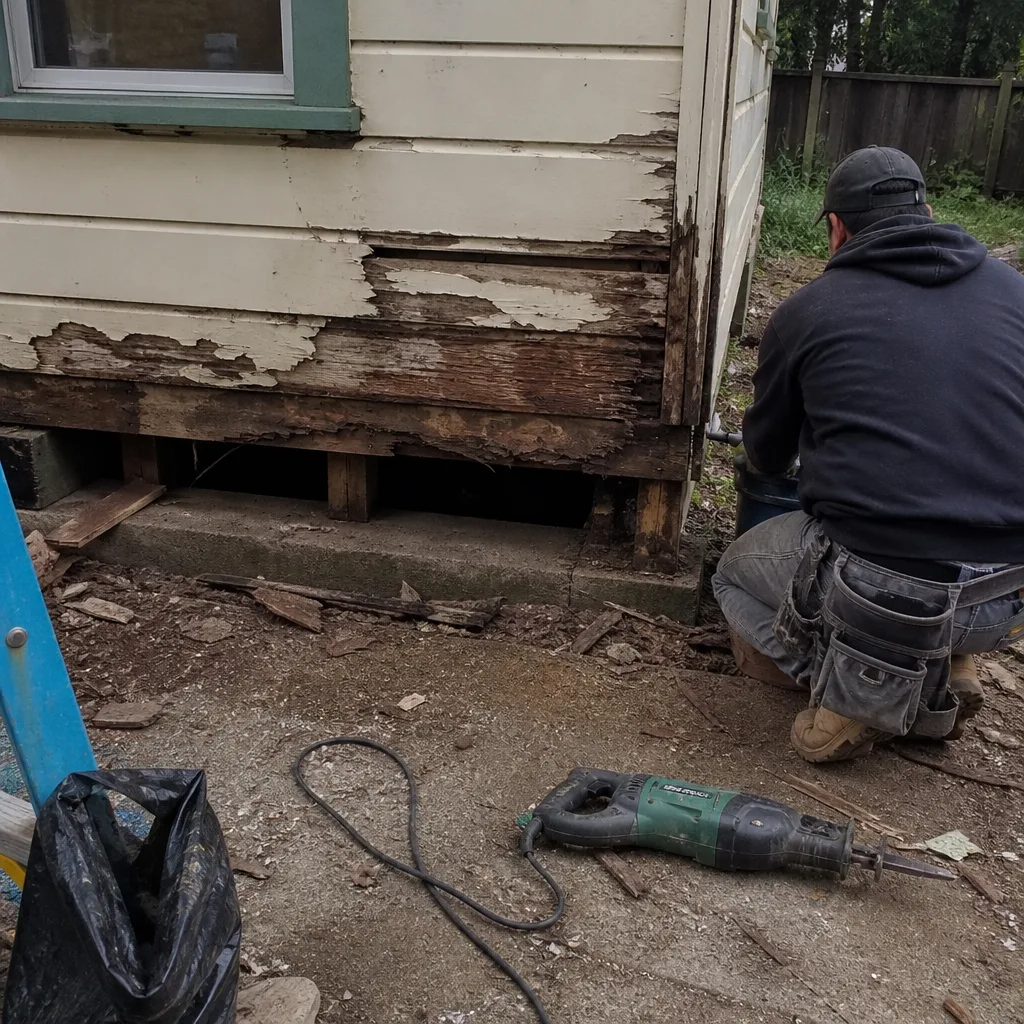 Before
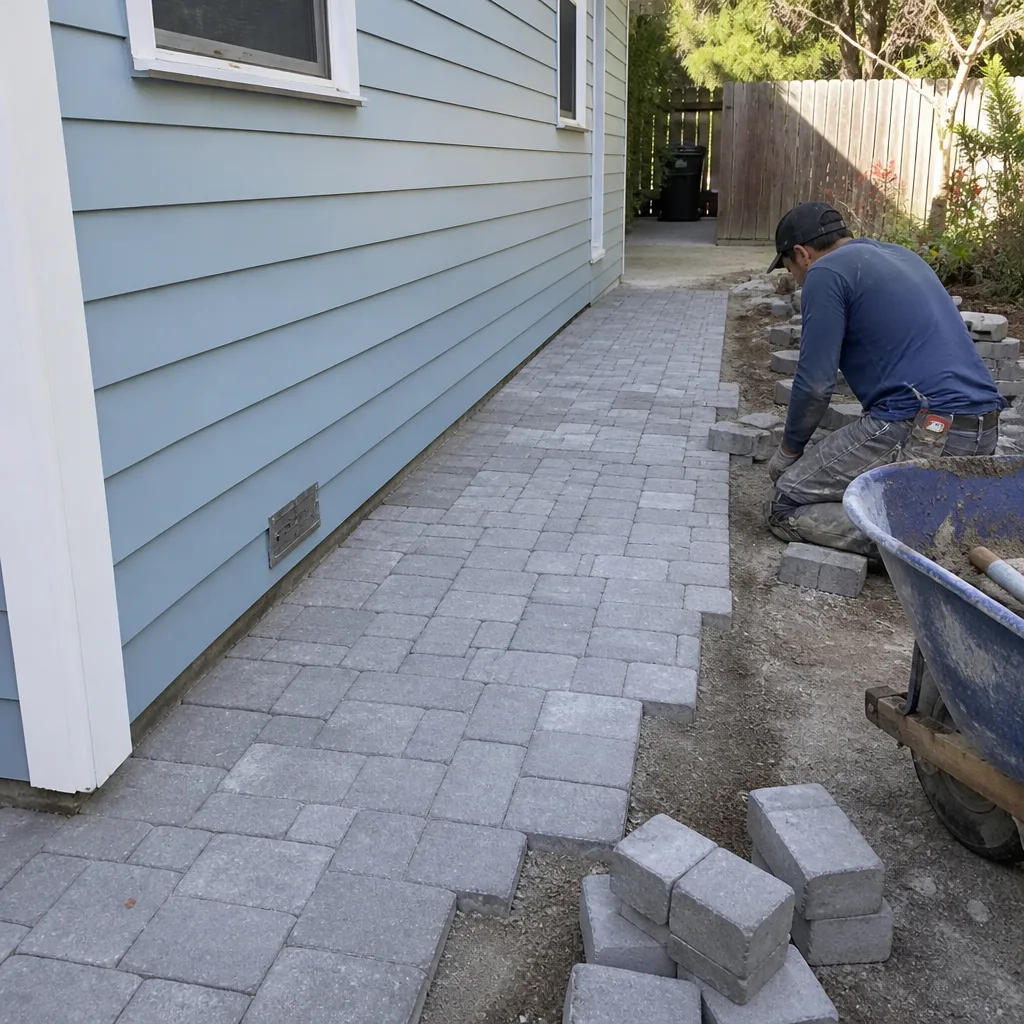 After
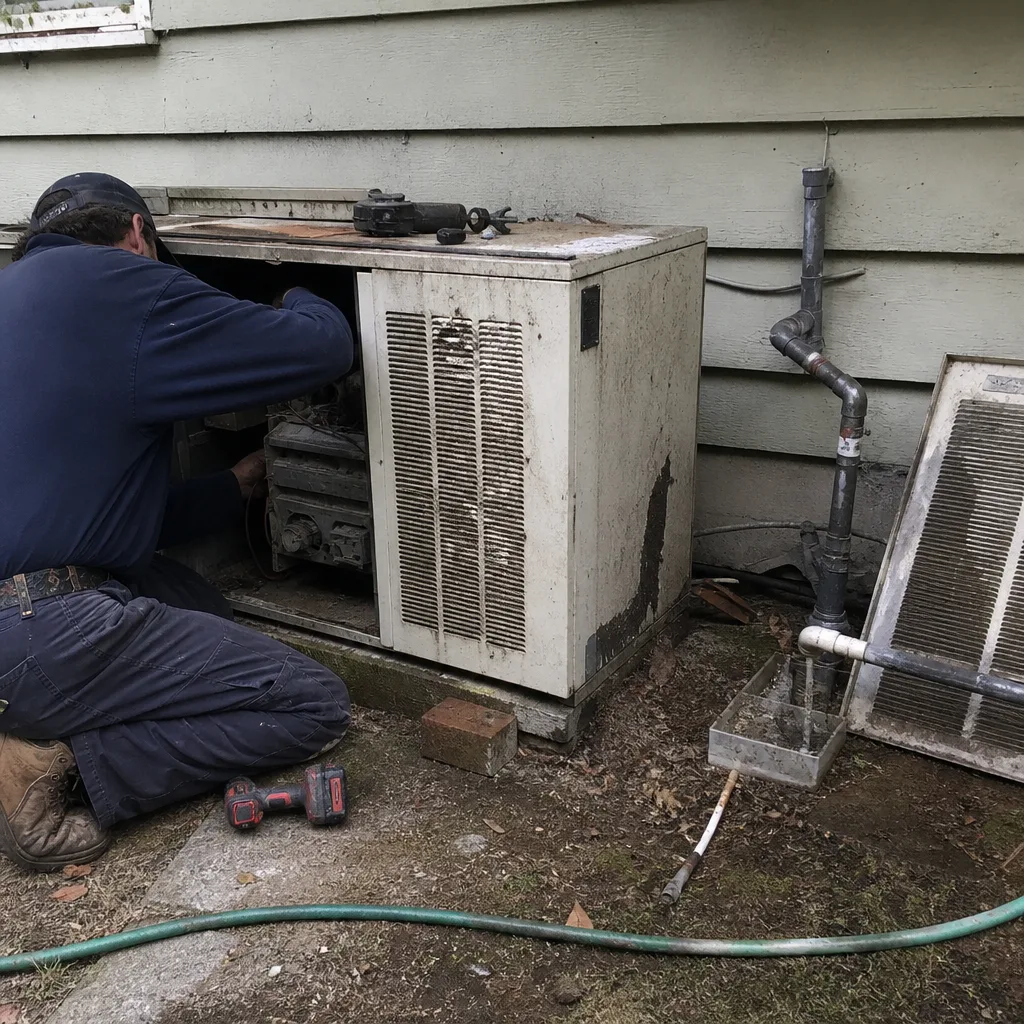 Before
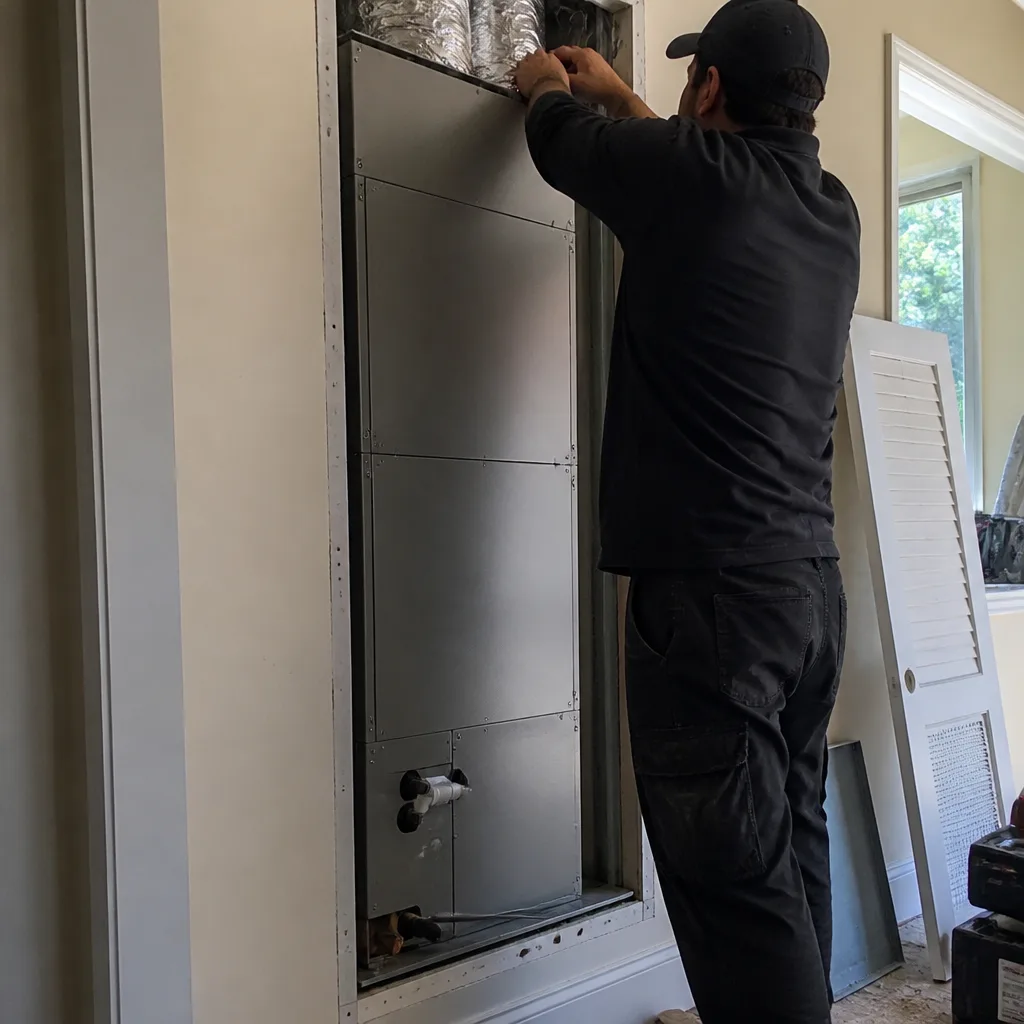 After
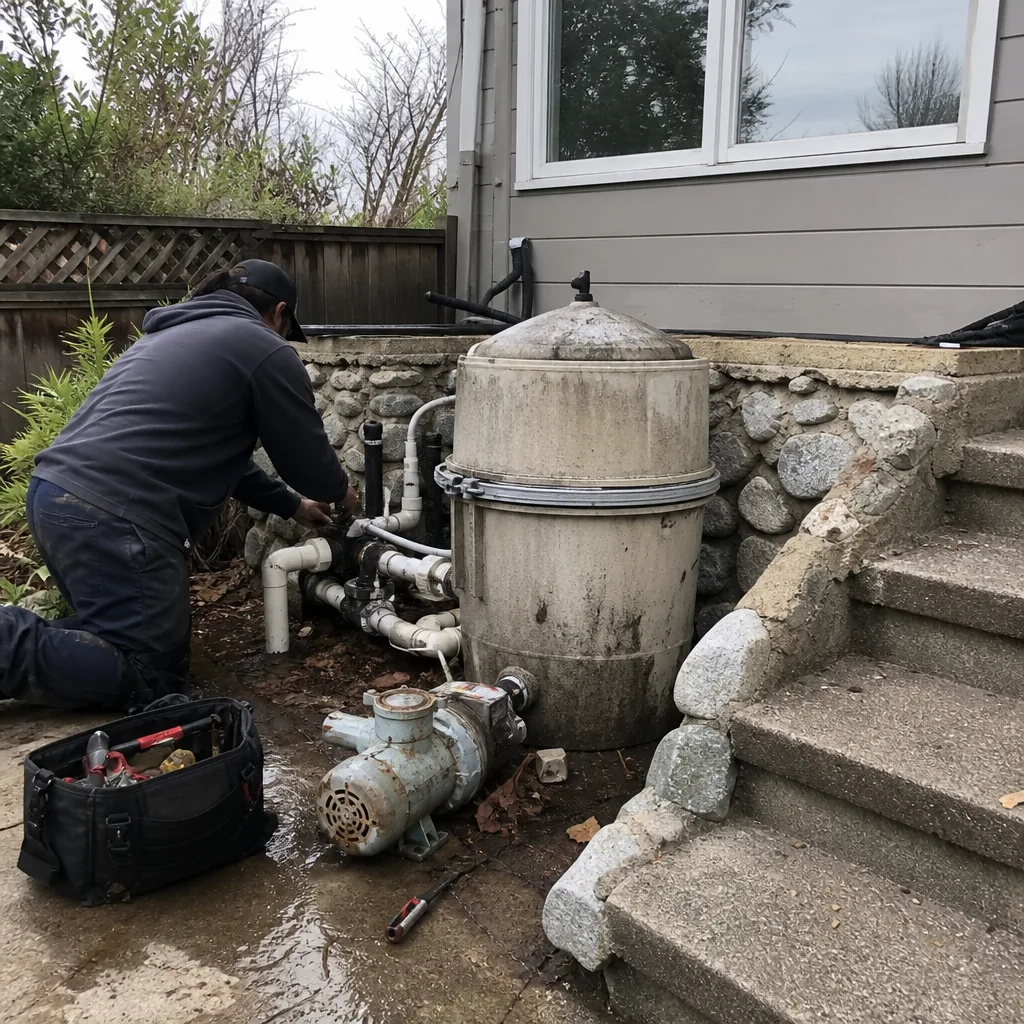 Before
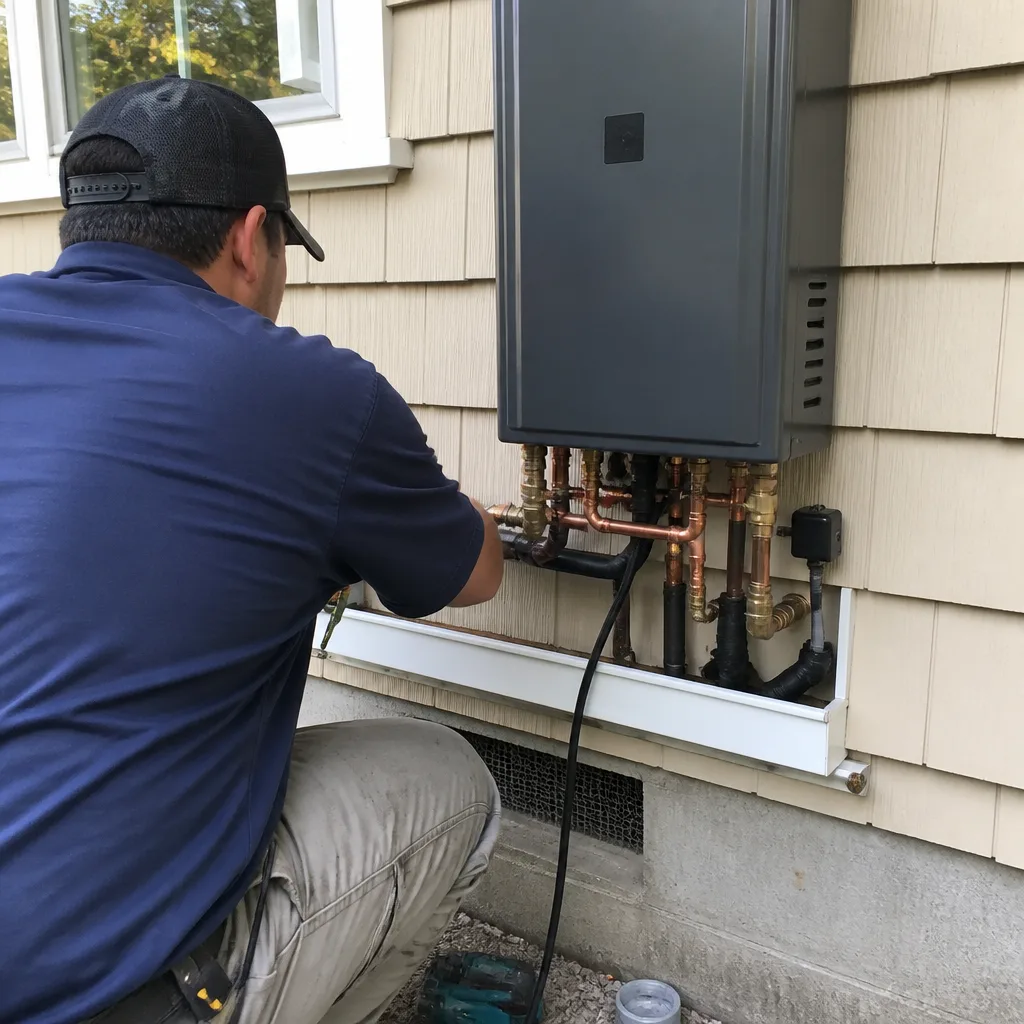 After
When to Call a Professional
Any project that touches structure, waterproofing, or utility systems warrants a professional from the start. That includes roofing, window replacement on coastal elevations, kitchen and bath remodels that move plumbing, any hardscaping over 100 square feet, and every ADU regardless of manufacturer claims. The permit process in Santa Cruz is too specific to wing it; see our emergency preparedness guide for related risks. If your project crosses two or more trades, a general contractor will save you more in coordination than the management fee costs. Spruce Contractors offers free estimates in Santa Cruz, call (877) 265-5771 and we’ll walk your property, confirm your jurisdiction, and give you a straight answer on scope and sequence before any contract is signed.
Frequently Asked Questions
A full kitchen remodel in Santa Cruz typically takes 8 to 12 weeks from permit issuance to final inspection, assuming no structural changes and materials are ordered before construction begins. Custom cabinetry or permit delays can extend that to 16 weeks. Call (877) 265-5771 for a project-specific timeline.
Yes, reroofing requires a permit in both the City and County of Santa Cruz. Tear-off and new underlayment installations trigger nailing and flashing inspections that must pass before the roof is signed off.
The difference is jurisdiction, fee schedule, and code amendments. Santa Cruz City governs parcels inside city limits; the County governs unincorporated areas like Soquel, Live Oak, and the San Lorenzo Valley. Each uses separate permitting software and inspection routing.
A prefab ADU in Santa Cruz typically ranges from $180,000 to $320,000 including site work, foundation, utility connections, and manufacturer delivery. Units from Abodu and Dvele tend toward the mid-to-upper range, while Boxabl and Tuff Shed options can land lower on simple sites. Call (877) 265-5771 for a current quote breakdown.
Yes. Salt air and persistent moisture corrode cheap metals, degrade unrated window hardware, and shorten the life of low-grade paint and sealants. Coastal-rated windows, impact-resistant products, and moisture-resistant cladding like James Hardie fiber cement all perform measurably better in Santa Cruz than inland-spec materials.
For any project crossing two or more trades, a single general contractor almost always reduces total cost and timeline. One contract means one point of accountability, coordinated inspections, and no handoff delays between roofing, windows, and interior crews. For small single-trade jobs, a licensed specialist is often sufficient. Explore more guides & resources on our blog.
The Bottom Line
Construction in Santa Cruz is a jurisdiction game as much as a building game. Knowing whether the City or County governs your parcel, understanding what geologic hazard zones trigger, and selecting materials built for coastal exposure positions every project to move faster and cost less in the long run. The homeowners who struggle are the ones who discover these variables mid-project. The ones who plan for them from day one, ideally with a general contractor who knows both jurisdictions and coordinates every trade under one contract, get their project done with fewer surprises. For more on how we approach that work, start at the Spruce Contractors home page or call us directly.
Written by the team at Spruce Contractors, serving Santa Cruz since 2014.
Call (877) 265-5771 to schedule your free estimate. We walk every site before we write a single number.