Last updated October 31, 2026
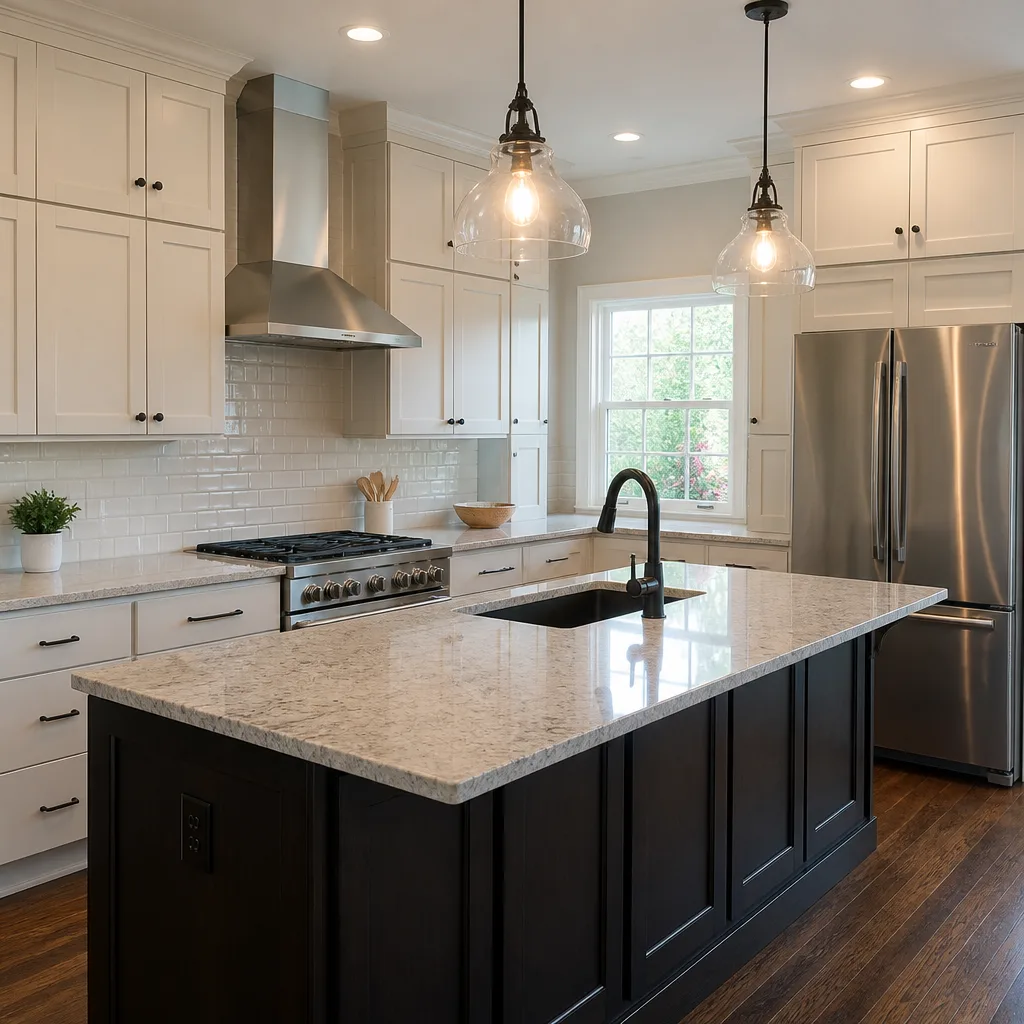 Kitchen remodeling
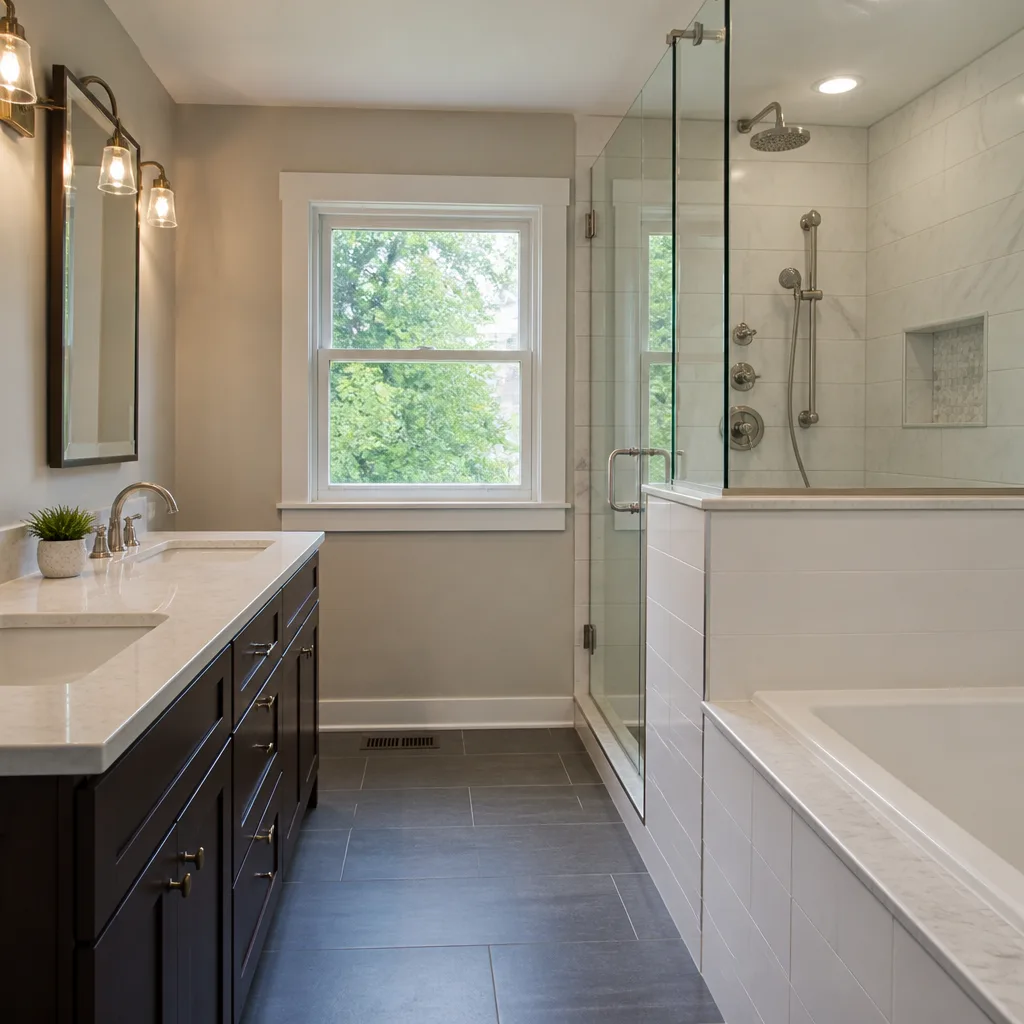 Bathroom remodeling
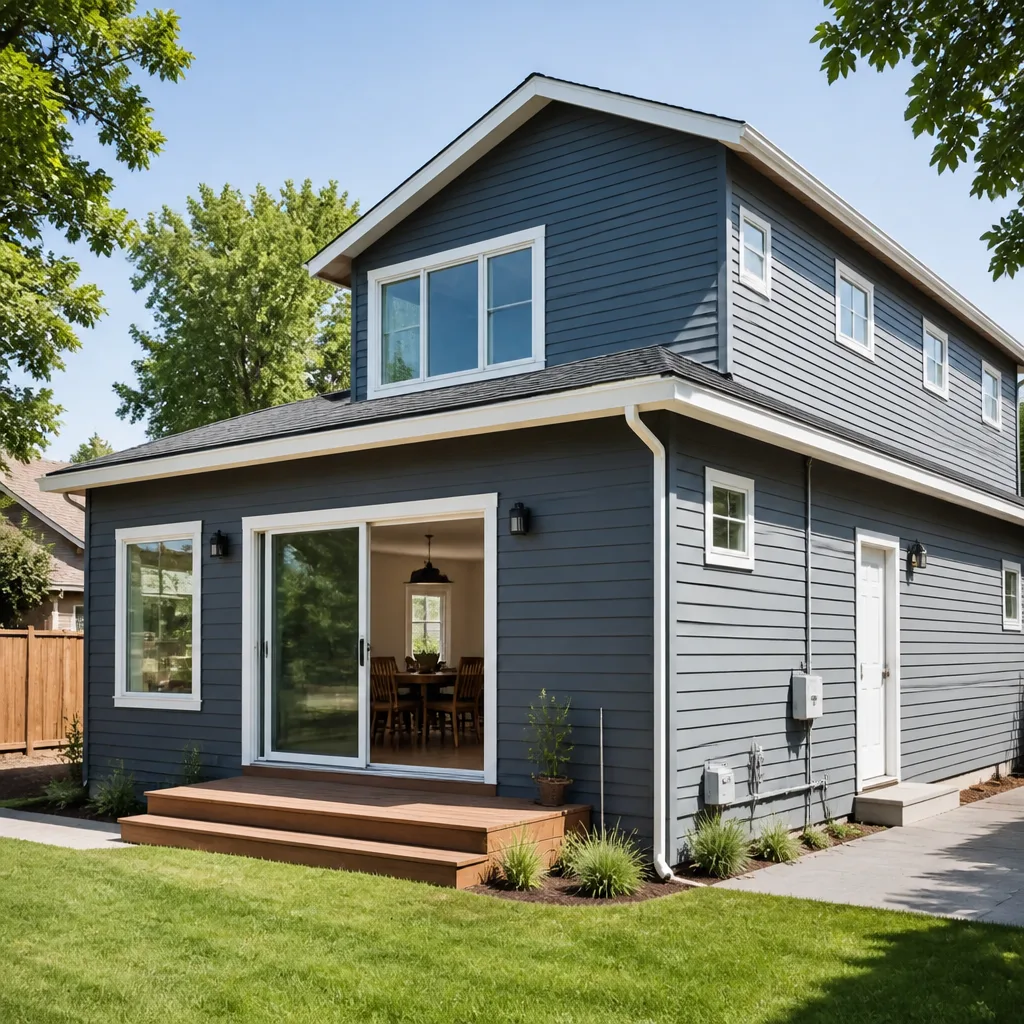 Home additions & ADU
 Roofing
 Windows & doors
 Driveway & pavers
 Fence
Free written scope consultation - allowances, timeline, and change-order rules on paper before a single trade is scheduled
How to Hire a Construction Contractor in Santa Cruz: A Step-by-Step Guide
Here’s a hard truth from years of remodeling homes in Santa Cruz: most contractor horror stories don’t start with a dishonest contractor. They start with an incomplete scope. A homeowner hires a “kitchen guy,” gets the cabinets installed, and then realizes the wiring won’t support the new appliances. Or they hire a roofer who won’t touch fascia repair, leaving them to find a separate carpenter mid-project. By the time the dust settles, they’ve paid three mobilization fees and managed three schedules for work that one coordinated contract should have covered. This guide walks through how to hire a construction contractor in Santa Cruz the right way: by defining the full scope of work before you ever pick up the phone. For a deeper dive, see our Complete General Contractor Guide for Santa Cruz Homeowners.
Quick Answer
To hire a construction contractor in Santa Cruz, start by writing a complete project scope that includes all adjacent trades, verify the contractor’s California CSLB license classification matches the work being performed, request a fixed-price contract with a clear payment schedule, and confirm the contractor will pull permits under their own license number. Then interview at least three contractors, ask about their supplier relationships and warranty policy, and never accept a bid that’s vague on scope or materials.
Styles & brands we work with
Table of Contents
- Why Scope Definition Comes Before Hiring
- Understanding California CSLB License Classifications
- Bid, Estimate, or Fixed-Price Contract: What’s the Difference?
- The Contractor Interview: Questions Specific to Santa Cruz
- Evaluating Supplier Relationships as a Quality Signal
- Permits in Santa Cruz: Why They Matter and Who Pulls Them
- Payment Schedules and Red Flags in Contract Language
- The Pre-Contract Site Walkthrough: What to Observe
Why Scope Definition Comes Before Hiring
The single most expensive lesson in remodeling is the mid-project add-on. In Santa Cruz, where many homes are older and have been through decades of partial upgrades, the risk is especially high. A bathroom remodel that starts as “replace the tile and vanity” often uncovers a rotting subfloor, galvanized supply lines that need replacement, or a vent fan that wasn’t actually vented to the exterior. When each discovery triggers a separate subcontractor, a separate markup, and a separate warranty conversation, the cost compounds quickly.
Before contacting any contractor, sit down and write out every trade that touches your project. Ask yourself these questions:
- What’s behind the surface? If you’re replacing kitchen cabinets, does the electrical need to move? If you’re redoing a bathroom, are the plumbing supply lines copper or galvanized? Older Santa Cruz homes in neighborhoods like Seabright or the Westside frequently have original plumbing that should be addressed while walls are open.
- What adjacent surfaces will be affected? New flooring often means baseboards, door casings, and transitions need work. A new roof means gutters, fascia, and eaves. A new window means interior and exterior trim.
- What does the exterior need? Many remodels expose exterior deficiencies: dry rot at the roofline, failed sealant around windows, or drainage issues against the foundation. A full-scope contractor addresses these before they become separate emergency calls.
- What’s the finish-out plan? If you’re adding square footage, who handles the hardscaping around the new footprint? A paver patio from Belgard or a retaining wall from Techo-Bloc shouldn’t be a separate afterthought.
- Are there seismic or coastal exposure considerations? Santa Cruz sits in a seismic zone and parts of the county experience significant marine layer moisture. Siding choices, waterproofing details, and structural tie-downs matter more here than inland.
The goal is to hand a contractor a scope document that covers the full project, not a single trade. When we work as a General Contractor in Santa Cruz, we’re able to sequence these trades under one contract, one schedule, and one point of accountability. That’s the structural advantage of hiring the right kind of contractor from the beginning.
Understanding California CSLB License Classifications
California is stricter than most states about contractor licensing. The Contractors State License Board (CSLB) issues licenses by classification, and each classification limits what a contractor is legally allowed to perform. Checking a license is easy on the CSLB website, but understanding what the classification means is the part most homeowners skip.
Here’s what matters for the typical Santa Cruz remodeling project:
- B – General Building Contractor: This is the broadest classification. A B license allows a contractor to take on projects that involve two or more unrelated trades. If your project spans roofing, framing, and finishes, you need a B-licensed contractor. This is what you’re looking for when you hire a Home Remodeling in Santa Cruz contractor.
- C-54 – Ceramic and Mosaic Tile: A tile contractor can install tile, but they can’t legally move plumbing or alter the framing behind the tile. If your shower needs new waterproofing or drain relocation, a C-54 alone isn’t enough.
- C-36 – Plumbing: Plumbers can repipe and set fixtures, but they can’t legally open the wall, patch drywall, or handle electrical. Many Santa Cruz bathroom projects run into this gap: the plumber does the pipes, and the homeowner is left to find a drywaller and a painter to finish the job.
- C-39 – Roofing: A roofer can install shingles and underlayment, but may not handle structural repairs to the roof deck, fascia, or rafters. In Santa Cruz, where winter storms expose sheathing rot regularly, this limitation matters. A Home Renovation in Santa Cruz project that includes structural carpentry alongside roofing needs a B license to cover both.
- C-10 – Electrical: Electricians handle panels, wiring, and fixtures. But they don’t patch drywall or paint. If you’re rewiring a kitchen, you’ll need a drywaller and painter to follow, unless your general contractor coordinates the sequence.
The practical takeaway: if your project touches more than two trades, hire a B-licensed general contractor and verify the license number yourself on the CSLB website. Don’t accept a specialty contractor’s promise to “bring in a guy” for adjacent work unless the primary contractor’s license actually covers the entire scope. The license number on the permit application has to match the license of the contractor who is legally responsible for the work.
Bid, Estimate, or Fixed-Price Contract: What’s the Difference?
The vocabulary around pricing is where homeowners lose leverage. A bid, an estimate, and a fixed-price contract are three different documents with three different levels of commitment, and the difference determines whether your project comes in on budget or drifts upward with every unexpected discovery.
- An estimate is a preliminary number. It’s built from rough measurements and assumptions. An estimate is useful for deciding whether a project fits your budget at the concept stage. It is not a commitment to a final price. In Santa Cruz, where crawlspace access and foundation conditions can vary from one block to the next, estimates often change once a contractor sees what’s actually under the house.
- A bid is a formal offer, but it can still contain allowances and exclusions. A roofer’s bid might include the shingles and underlayment but exclude any rot repair at the eaves. A kitchen bid might include cabinets and counters but exclude moving plumbing lines. Read every exclusion line carefully.
- A fixed-price contract is a binding agreement at a specified price. It should include a complete scope of work, a material list with brand and model specifications, a payment schedule tied to milestones, a start and completion date, and a change-order clause specifying how any additional work will be priced and approved. This is the standard you want for any project over $10,000.
Here’s a practical rule from experience: if a contractor can’t produce a fixed-price contract, the scope isn’t defined well enough yet. Return to scope definition and clarify the unknowns. A real contractor can price a defined scope. A vague scope will always be priced with contingency built in, and that contingency comes out of your pocket either way.
The Contractor Interview: Questions Specific to Santa Cruz
Every contractor interview should cover the basics: license verification, insurance certificates, references, and portfolio. But Santa Cruz has specific market conditions that demand specific questions. Our Choosing the Right Construction Brand: A Buyer’s Guide for Santa Cruz covers additional selection criteria. These are the ones that reveal the difference between a contractor you want on your property and one you don’t.
“Who pulls the permits, and under whose license?”
The permit application in Santa Cruz County should be filed under the contractor’s license number, not yours. A contractor who asks you to pull permits as an owner-builder is shifting liability onto you. That arrangement is legal in California, but it means you, not the contractor, are legally responsible for the work’s code compliance. For a Spruce Contractors home project, the permit is pulled under our license, and the inspection process is managed by us. That’s the arrangement you want.
“Have you worked in this neighborhood before?”
Santa Cruz neighborhoods have distinct construction conditions. Homes in the beach flats deal with moisture and salt exposure. Homes on the upper Westside sit on varying soil types that affect foundation and drainage decisions. Homes in the Annex or Seabright are often older, with lath-and-plaster walls and balloon framing. A contractor who has worked nearby will know the typical surprises in that neighborhood, as outlined in our Seasonal Construction Care for Santa Cruz: Year-Round Homeowner’s Guide.
“Who are your suppliers, and can I see the material list with brands?”
This question separates contractors who buy whatever is on sale at the local yard from those who have established supply chains with named manufacturers. When we specify a cabinet line, it’s KraftMaid or Wellborn. When we specify quartz countertops, it’s Cambria, Silestone, or Caesarstone. When we install a paver patio, we source from brands like Belgard or Techo-Bloc because those manufacturers carry their own quality standards and warranty backing. A contractor who can name their suppliers is accountable to those suppliers’ specifications and warranty requirements. A contractor who can’t is working with mystery materials.
“How do you handle dry rot and seismic retrofit requirements?”
Santa Cruz homes are wet in the winter and sit in an active seismic zone. Dry rot at sill plates, mudsill anchors that don’t meet current code, and cripple wall bracing deficiencies are common findings. A contractor who shrugs at these questions is telling you they’ll handle structural findings however is cheapest, not however is correct.
Evaluating Supplier Relationships as a Quality Signal
Most homeowners never think to ask about supplier relationships. That’s a mistake. A contractor’s supplier network is one of the clearest proxies for the quality of work you’ll receive, the materials that will go into your home, and the accountability that will exist if something goes wrong.
Here’s what to look for and why it matters:
- Named manufacturers, not generic categories. “Quartz countertops” is a category. “Cambria quartz with a transferable warranty” is a specification. The difference matters. Manufacturer-backed warranties travel with the material and often require certified installation. A contractor who installs materials outside of a manufacturer’s approved program may void the warranty without the homeowner ever knowing.
- Trade depth across multiple categories. A contractor who can source from more than 50 name-brand manufacturers across cabinets, countertops, plumbing, roofing, windows, fencing, and hardscaping is a different kind of operation from a specialist who only knows one or two suppliers in their trade. It signals that the contractor has done enough volume and enough variety of work to know which manufacturers hold up in Santa Cruz’s coastal climate.
- Warranty alignment. If your roofer is GAF-certified, the manufacturer warranty travels with the roof. If your tile installer uses Schluter waterproofing systems, the product warranty is backed by the manufacturer’s own technical specifications. Ask your contractor which manufacturer certifications they hold and what those certifications mean for your warranty coverage.
- Local availability and lead times. A contractor with established supplier relationships knows what’s in stock, what’s backordered, and what lead times to expect. In the post-2020 supply chain environment, that knowledge is worth real money. A contractor who is guessing at material availability is guessing at your schedule.
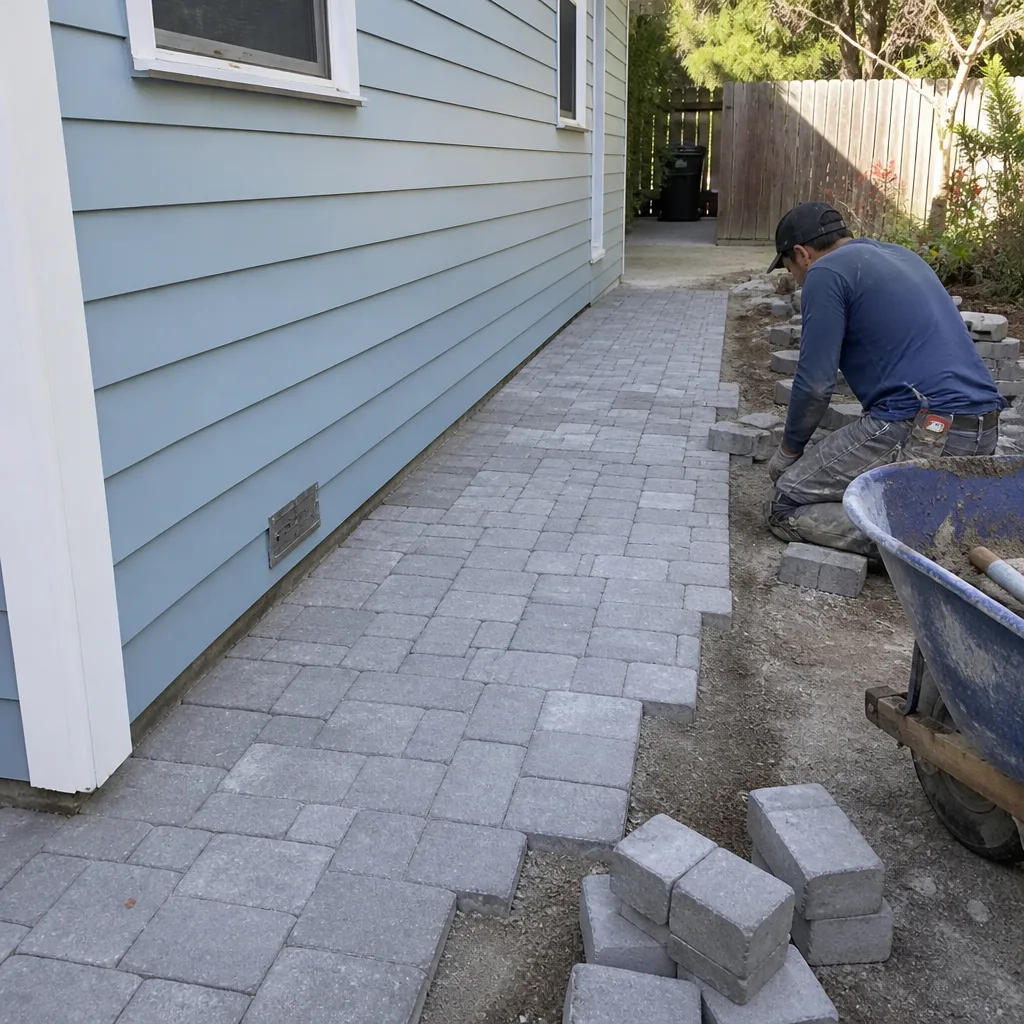
For hardscaping, the manufacturer matters more than most homeowners expect. Pavers from Belgard, for example, are manufactured to consistent dimensional tolerances and color consistency. Cheap pavers from an unnamed supplier can vary in thickness, making installation uneven and leading to settling within a few seasons. We specify brands like Belgard and Techo-Bloc because we’ve seen the difference in the finished product after a few Santa Cruz winters.
Permits in Santa Cruz: Why They Matter and Who Pulls Them
Santa Cruz County has some of the strictest permitting requirements in the Bay Area, driven by coastal zone regulations, seismic code updates, and environmental review requirements. Skipping permits is not a harmless shortcut here. Unpermitted work creates problems at resale, can affect your homeowners insurance, and can trigger fines if discovered during an inspection of adjacent work.
Here’s a numbered breakdown of what you need to know:
- Most substantial work requires a permit. Replacing a roof, moving plumbing, altering framing, adding a window opening, building a fence over a certain height, and any structural repair all require permits in Santa Cruz. Cosmetic work like painting or replacing cabinet doors typically doesn’t.
- The contractor pulls the permit under their license. The contractor’s name goes on the permit application, and the contractor is responsible for calling inspections and correcting any deficiencies the inspector identifies. You want the permit in the contractor’s name, not yours.
- Inspections are pass/fail gatekeepers. Every stage of work that’s covered by the permit has to pass inspection before work can proceed to the next stage. A contractor who schedules inspections properly keeps the project moving. A contractor who doesn’t will have you living in a construction zone longer than necessary.
- Deferred submittals are normal. In Santa Cruz, some elements like window installations or specific structural details may require deferred submittals from the manufacturer’s engineer. This means the product is selected during construction, then the engineering documentation is submitted for review before installation. An experienced GC handles this without breaking stride.
- Final sign-off matters. The permit isn’t closed until the final inspection passes. Keep the permit open until that happens. Unclosed permits sit on the property record and complicate a future sale.
A contractor who suggests you skip permits “to save time and money” is asking you to assume legal and financial risk so they can move faster. Walk away. The savings evaporate when the unpermitted work gets flagged at resale and you’re paying market rate to bring it up to code after the fact.
Payment Schedules and Red Flags in Contract Language
California law limits the deposit a contractor can collect before work begins. For home improvement contracts, the down payment cannot exceed 10% of the project total or $1,000, whichever is less. If a contractor asks for more than that upfront, that’s a red flag under state law.
Beyond the deposit, look for these contract provisions:
- A payment schedule tied to work milestones, not dates. Payments should be earned as work completes: rough framing pass, rough electrical pass, drywall hung, tile set, punch list complete. Paying by calendar date means you’re financing the contractor’s cash flow, not their progress.
- A change-order clause with written approval. Any work outside the original scope should be documented in writing with a specific price before it starts. Verbal change orders are how $80,000 projects become $130,000 projects.
- A retainage provision. Holding back 5-10% until final inspection and punch list completion is standard practice. It gives you leverage to get the small fixes done.
- An explicit completion date. The contract should specify a start date and a projected completion date, with agreed-upon allowances for weather delays and material lead times. Santa Cruz’s rainy season runs from November through March, and exterior work schedules need realistic weather contingencies.
- A warranty clause in writing. Workmanship warranties typically run 1-2 years depending on the trade. Material warranties vary by manufacturer. Get both in writing.
The contract is not a formality. It’s the document that determines what happens when something goes wrong. Read every line. Ask questions about anything you don’t understand. A contractor who is annoyed by your questions about contract language is signaling how they’ll handle your questions during construction.
The Pre-Contract Site Walkthrough: What to Observe
Before you sign anything, walk the project site with the contractor and watch how they interact with your property. This is the closest thing to a rehearsal for the construction phase, and the signals are clear if you know what to look for.
Here’s what a prepared contractor does during a Santa Cruz site walkthrough:
- Looks at the foundation and crawlspace. They check for moisture, termite activity, sagging beams, and drainage issues. Santa Cruz clay soils expand and contract seasonally, and a contractor who doesn’t understand local soil behavior will miss problems that appear later.
- Checks access points. How will materials get to the work area? What doors will be used? Is there a path for dumpsters? In tighter Santa Cruz neighborhoods with narrow driveways and street parking constraints, access planning affects cost and schedule.
- Identifies utility locations. Where are the water, gas, and electric shutoffs? Where does the sewer lateral run? A contractor who doesn’t locate utilities before demolition is one who may be surprised by a gas line or a buried conduit.
- Asks about the neighbor situation. In Santa Cruz, many homes sit close together. Fence work, roof tear-offs, and exterior demolition affect neighbors. A professional contractor anticipates neighbor interactions and includes communication in their project plan.
- Measures carefully. This sounds obvious, but a contractor who walks through a room, glances around, and says “yeah, this’ll be about $45,000” is giving you a guess dressed up as a number. A contractor who measures, notes, and documents is building a real scope.
When you observe a contractor who does all of this, you’re watching someone who has managed enough projects to know where they fail. That’s the person you want in charge of your home.
Common Mistakes to Avoid
- Hiring for the lowest bid without comparing scopes. A low bid often means exclusions, allowances, and change orders later. Compare bids line by line, not just bottom lines.
- Signing without verifying the CSLB license and insurance certificates. Ask for current certificates and verify the license number on the CSLB website yourself. It takes three minutes.
- Paying in cash without a written contract. Cash deals have no paper trail. If something goes wrong, you have no recourse. Always insist on a written contract with a payment schedule.
- Changing scope mid-project without a written change order. Verbal “while you’re here, can you also…” requests are how budgets break. Every change gets documented and priced in writing before the work starts.
- Hiring a trade contractor for a multi-trade project. If your project touches plumbing, electrical, framing, and finishes, a B-licensed general contractor is the correct hire. A tile contractor managing an electrician they’ve never worked with is a recipe for schedule chaos.
- Ignoring the permit requirement. In Santa Cruz, unpermitted structural work shows up at resale and can tank a deal. The money you “save” now becomes a liability later.
- Skipping the supplier question. A contractor with no named suppliers and no manufacturer relationships is buying from whoever is convenient, not whoever makes the best product for your home.
See the difference
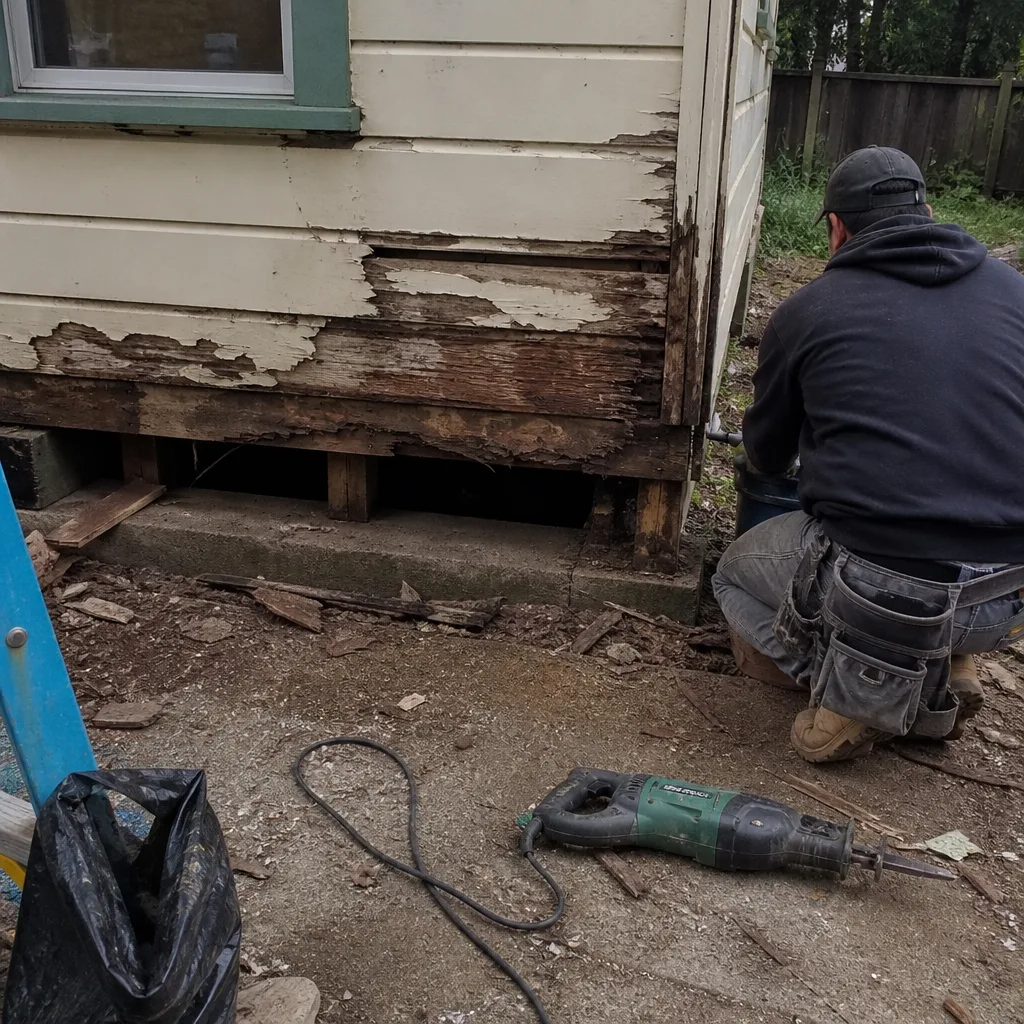 Before
 After
 Before
 After
 Before
 After
When to Call a Professional
Some projects genuinely don’t require a general contractor. Painting a room, swapping a light fixture, or replacing a bathroom faucet are weekend jobs for a handy homeowner. But when your project touches structural elements, plumbing, electrical, waterproofing, or multiple trades that need to be sequenced in the correct order, the cost of hiring a professional is less than the cost of fixing a DIY mistake. If you’re in Santa Cruz County and you’re not sure whether your project needs a licensed contractor, call and describe the scope. We’ll tell you straight whether it’s a GC job or a handyman job. Spruce Contractors offers free estimates in Santa Cruz – call (877) 265-5771.
Frequently Asked Questions
Check the CSLB website directly at cslb.ca.gov. Enter the contractor’s name or license number and confirm the license classification matches the work you’re hiring them to do. Verify that the license is active, not suspended, and that there are no active disciplinary actions noted.
A complete bid includes a detailed scope of work, a material list with brand specifications, a payment schedule tied to milestones, the license number under which work will be performed, a start date and projected completion date, and exclusions clearly listed. A bid that’s a single number with a one-paragraph description is not a bid; it’s a guess.
California law caps the down payment for home improvement contracts at 10% of the project total or $1,000, whichever is less. Any contractor asking for more than that before work begins is violating state law. Subsequent payments should be tied to completed milestones.
A full kitchen remodel in Santa Cruz typically takes 8-14 weeks from demolition to final inspection, depending on the scope, material lead times, and permit review speed. Cabinet lead times alone can run 6-10 weeks for custom or semi-custom lines. Factor your material selections into the schedule from day one.
Fence permit requirements in Santa Cruz depend on height and location. Fences over 7 feet typically require a permit, and fences in front yards or near street corners may have additional height restrictions. Coastal zone properties can add another layer of review. Check with the Santa Cruz County Planning Department before building.
A handyman in California can perform work totaling less than $500 including labor and materials without a contractor’s license. Anything above that threshold technically requires a licensed contractor. For multi-trade projects, you need a B-licensed general contractor. A handyman legally cannot manage plumbing, electrical, or structural work under their own license.
The Bottom Line
Hiring a construction contractor in Santa Cruz starts before you make a single phone call. Write the complete scope. Understand the license classifications. Know the difference between an estimate, a bid, and a fixed-price contract. Ask about suppliers, permits, and payment schedules. Interview at least three contractors and compare their scopes line by line. When you do that work up front, the hiring decision gets easier because the right contractor is obvious. And when the project is scoped completely and contracted properly, the odds of a mid-project surprise drop dramatically. That’s the whole game in this business.
Written by the team at Spruce Contractors, serving Santa Cruz since 2014.