Last updated October 31, 2026
 Home additions & ADU
 Kitchen remodeling
 Bathroom remodeling
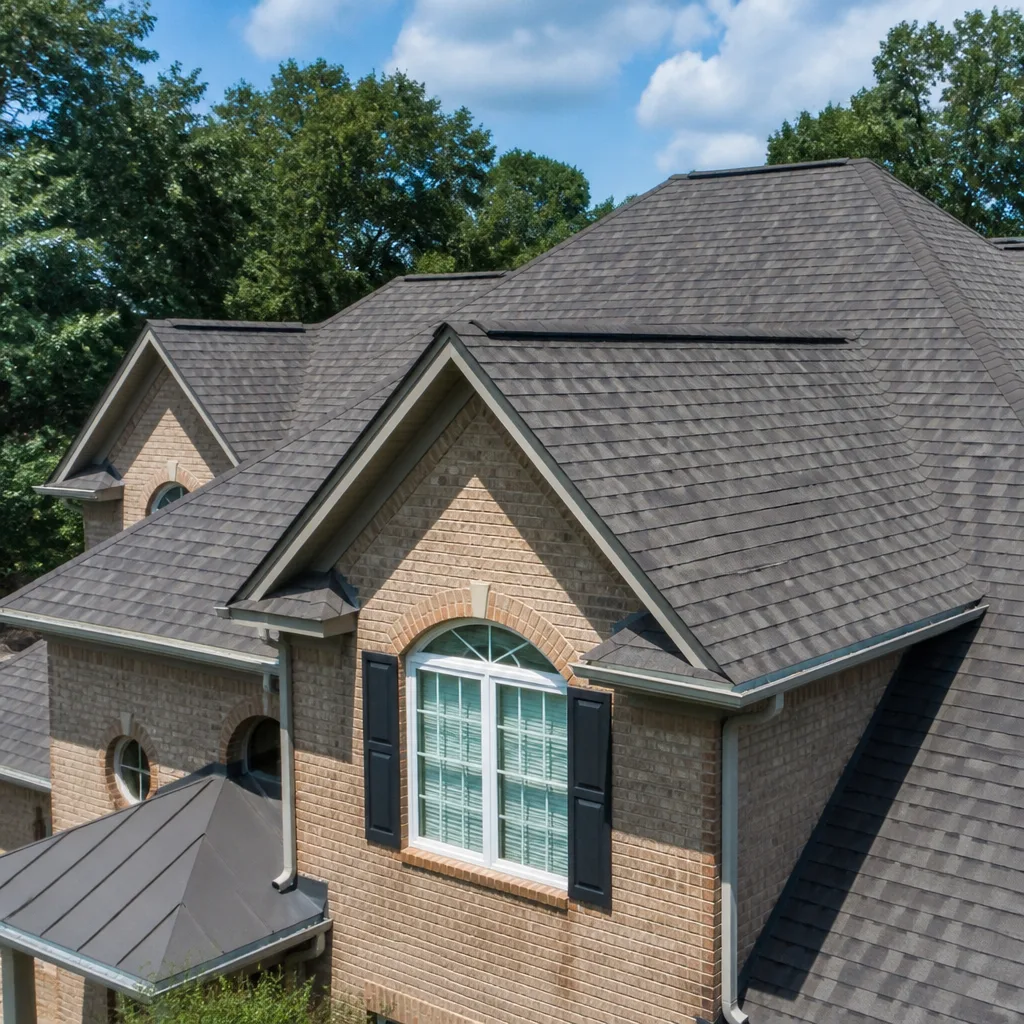 Roofing
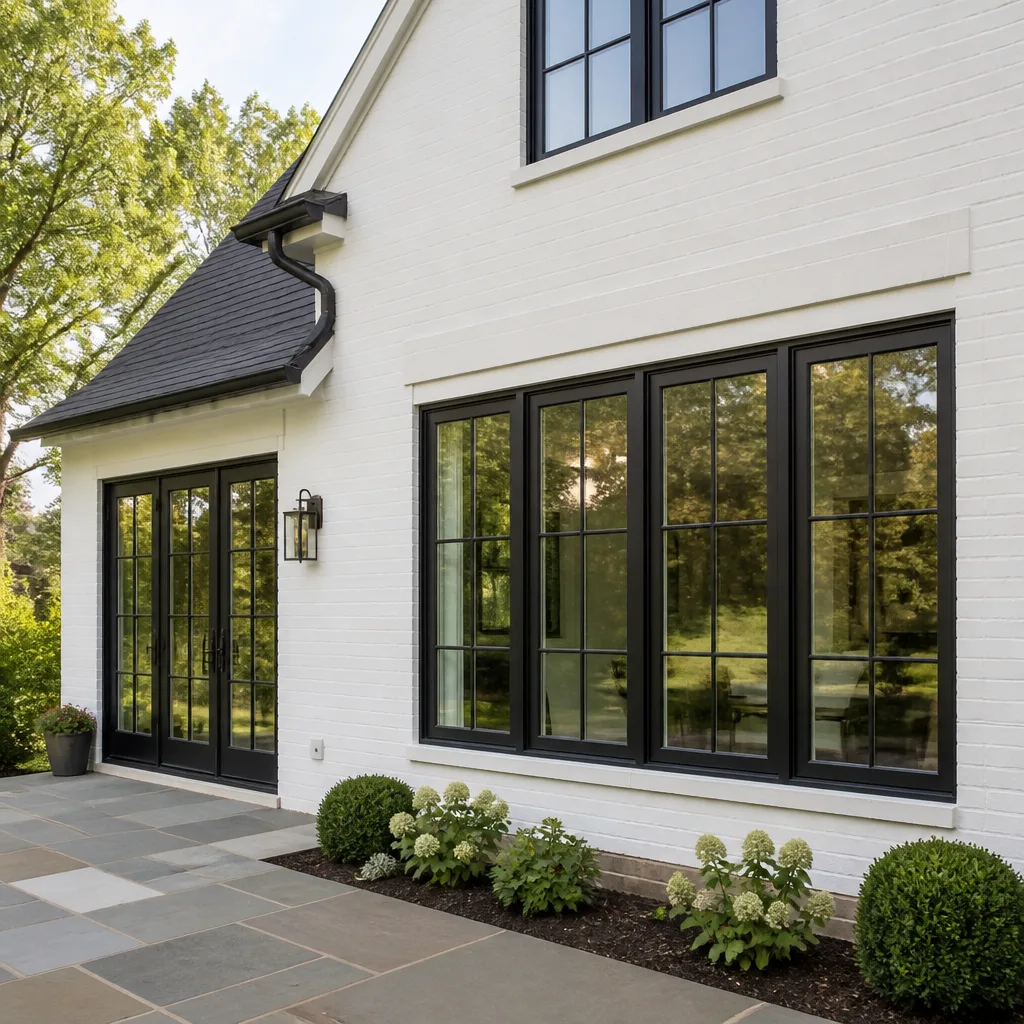 Windows & doors
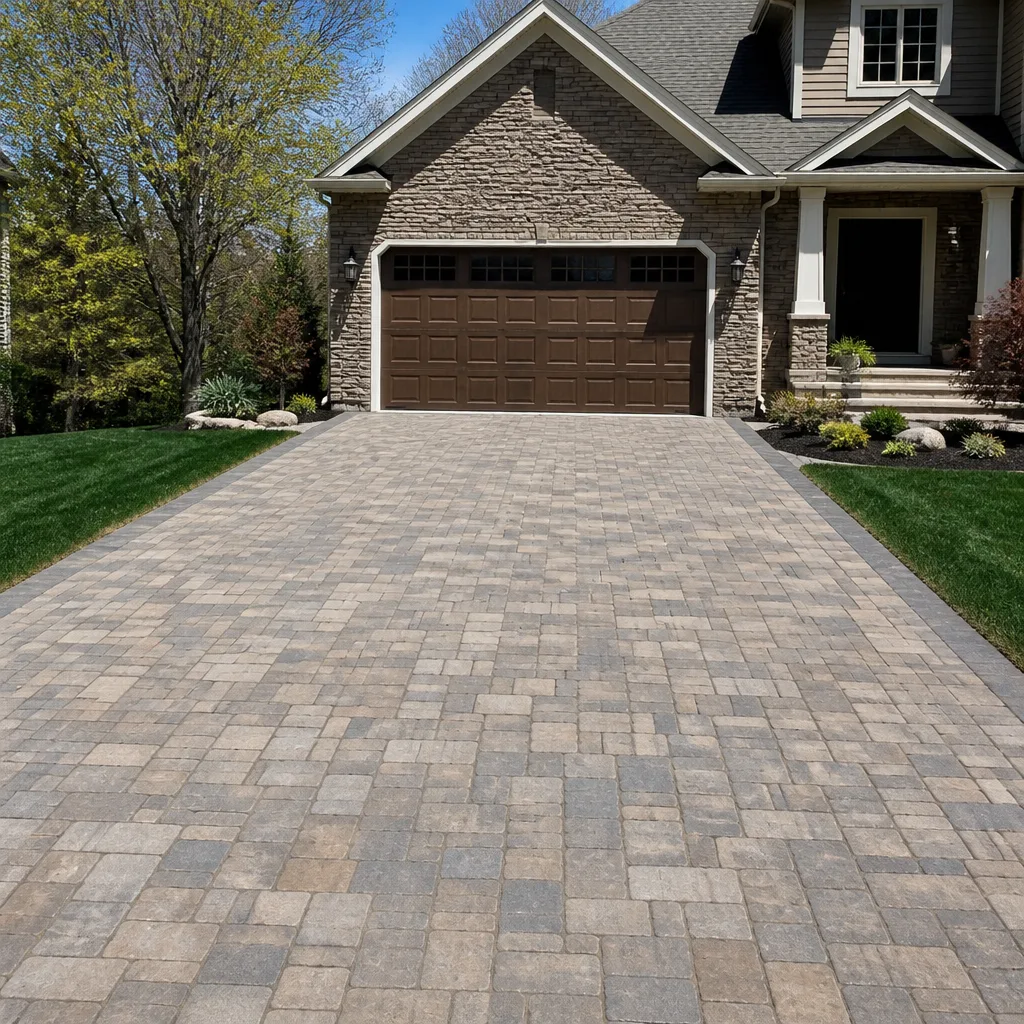 Driveway & pavers
 Fence
Free written scope consultation - allowances, timeline, and change-order rules on paper before a single trade is scheduled
The Complete General Contractor Guide for Santa Cruz Homeowners
Santa Cruz County issued over 1,200 residential building permits last year, yet the city’s permit portal still shows hundreds of projects flagged as “inspection pending” for 12 months or more. That’s not a labor shortage problem. It’s a coordination problem. Most of those stalled projects share the same root cause: the general contractor was hired like a handyman, on gut feel and a quick search, rather than evaluated as the supply-chain manager and scheduling authority your project actually needs. This The Complete Guide to Construction in Santa Cruz will show you how to hire a Santa Cruz general contractor who won’t leave you holding an open permit, a blown budget, and a half-finished addition.
Styles & brands we work with
Quick Answer
Hiring the right general contractor in Santa Cruz comes down to three things: verifying local permit experience (especially Coastal Zone and hillside rules), confirming they manage material sourcing and lead times, not just labor, and reading their bid scope line by line before signing. A single-source GC who specifies brands like Kohler, GAF, and Belgard will outperform a trade-by-trade approach on any project over $80,000. Use this guide to audit any General Contractor services before you sign.
Table of Contents
- Why Santa Cruz Permits Are Different From Everywhere Else
- Single-Source GC vs. Trade-by-Trade Hiring: The $80K Threshold
- The Supplier Question Most Homeowners Never Ask
- How to Read a Santa Cruz Bid Scope of Work
- Coordinating Subs vs. Managing Material Lead Times: The Real Delay Culprit
- Santa Cruz Building Realities: Coastal Air, Hillsides, and Seismic Codes
- Questions to Ask Any Santa Cruz GC Before Signing
- Common Mistakes to Avoid
- When to Call a Professional
- Frequently Asked Questions
- The Bottom Line
Why Santa Cruz Permits Are Different From Everywhere Else
If you’ve remodeled in San Jose or Scotts Valley, you’ve seen a standard permit process: submit plans, pay fees, get a permit, build, get inspections, close out. Santa Cruz doesn’t work that way for a significant portion of the city. The Coastal Zone overlay, which covers much of the west side from Natural Bridges to Pleasure Point, adds a Coastal Development Permit layer on top of the standard building permit. That means two review tracks, two sets of comments, and two approval timelines. A general contractor who doesn’t regularly pull permits in the Coastal Zone will burn six to ten weeks just figuring out the sequence.
Hillside parcels have their own set of rules. Any project on a slope over 10% in Santa Cruz triggers grading and drainage review, and in many cases, a geotechnical report. That’s before you get to structural engineering. We’ve seen homeowners in the Upper Westside neighborhoods get quotes from out-of-area GCs who had no idea the geotech report was required until the city kicked the plans back. The homeowner paid for three weeks of resubmission delay because the contractor didn’t know the local code triggers.
This is where the General Contractor in Santa Cruz distinction matters. Local permit fluency isn’t a nice-to-have. It’s the difference between a six-month project and a twelve-month project. Ask any candidate how many Coastal Zone permits they’ve closed in the last two years. If they pause, keep looking.
Single-Source GC vs. Trade-by-Trade Hiring: The $80K Threshold
Here’s the counterintuitive part. For a small job, like a bathroom refresh under $30,000, hiring a specialized contractor directly can work. You’re dealing with one trade, one permit, one timeline. But once your project crosses roughly $80,000, trade-by-trade hiring starts working against you. Here’s why.
Every trade you hire independently becomes its own project. That means separate contracts, separate deposits, separate schedules, and separate insurance certificates. More importantly, it means you become the general contractor, whether you want the job or not. You’re the one calling the plumber to ask why the rough-in isn’t done, so the tiler can’t start, so the cabinet delivery gets pushed, so the countertop templating misses its window. Every delay compounds. Every trade blames the previous trade. Nobody is accountable for the whole.
A single-source GC flips that equation. One contract, one point of accountability, one schedule. When the electrician is late, it’s the GC’s problem to solve, not yours. When the cabinet lead time slips, the GC adjusts the schedule before it becomes a crisis. This isn’t about convenience. It’s about who carries the risk of coordination. In projects over $80,000, coordination risk is the single biggest source of budget overruns, not material costs or labor rates.
Spruce Contractors built our whole operating model around this principle. We’re one of the few Home Remodeling in Santa Cruz firms that runs full-scope projects, from kitchen cabinets and countertops to roofing, fencing, hardscaping, windows, and even prefab ADUs, under one contract. You pick the finishes. We manage the sequence.
The Supplier Question Most Homeowners Never Ask
Ask a prospective GC this question: “Where do you source your cabinets, windows, and roofing, and are those vendors stocked locally?” Most homeowners never ask. Most contractors don’t want to answer, because the honest answer is often “whatever’s cheapest at the big-box store that week.”
Here’s why that question matters in Santa Cruz specifically. Our local supply chain is thin compared to San Jose or the East Bay. There are a handful of quality building material suppliers in Santa Cruz County, and they carry specific brands with specific lead times. A GC who specifies Cambria quartz, for example, knows that Cambria can source from multiple distribution centers and that no local fabrication shop carries Cambria slabs as stock inventory. It’s a made-to-order product with a template-to-install timeline that has to be built into the schedule from day one. A GC who doesn’t specify brands is a GC who doesn’t know lead times. And a GC who doesn’t know lead times is a GC whose project schedule is fiction.
The brand question also cuts through the pricing fog. When a contractor specifies Moen plumbing fixtures or Kohler faucets, you know exactly what you’re getting, and you can verify the price yourself. When the bid just says “contractor-grade faucet,” you’re buying a mystery. You don’t know if it’s a $50 big-box special or a $400 fixture the GC got a deal on.
At Spruce Contractors, we work with more than 50 name-brand manufacturers across cabinets, countertops, plumbing, roofing, windows, fencing, hardscaping, and prefab structures. We specify Kohler and Moen because their warranty support is dependable and their valves are serviceable without tearing open a wall. We specify Cambria and Silestone because quartz surfaces should not need sealing, ever. You pick the look. We know the materials.
How to Read a Santa Cruz Bid Scope of Work
Most bids look thorough. Very few are. The tell is in what’s missing, not what’s there. Here’s a step-by-step method for auditing a bid before you sign it.
- Check permit line items. Does the bid include permit fees, plan preparation, and inspection scheduling as separate line items? If the GC folds permits into a single “permits and fees” line, ask for the breakdown. Coastal Zone permits cost more than standard permits, and hillside geotech reports can add $3,000 to $7,000. If those aren’t line-itemed, the GC is either guessing or planning to bill you later.
- Look for the demolition and hauling line. This is the classic value-engineering target. A bid that says “demo included” without specifying debris disposal, dumpster fees, and hauling is a bid that will surprise you with a $1,500 to $3,000 addition once the walls come down.
- Verify material allowances. A bid that says “allowance for tile: $4 per square foot” is setting the stage for an upgrade charge. Good bids name actual products, like “Daltile or Marazzi porcelain, $6 to $9 per square foot, homeowner selection at showroom.” Ask any Santa Cruz contractor to name the actual product lines for every major finish. If they can’t, the allowances are a trap.
- Check the exterior scope. Many interior remodel bids quietly omit the exterior consequences. Adding a kitchen island might mean moving a vent, which means patching stucco or siding. If the bid doesn’t mention exterior repair or siding matching, you’ll be staring at a patched wall that doesn’t match the rest of the house.
- Look for the “verify existing conditions” note. This is standard language, but in Santa Cruz it carries extra weight. Many homes here are 60 to 100 years old, and older Santa Cruz houses have structural quirks that only reveal themselves during demo. A good bid will state how change orders are priced when existing conditions differ from what was bid. If it doesn’t, the pricing is unilateral, and not in your favor.
We recommend homeowners get bids from at least three contractors and read them side by side, line by line. The cheapest bid is usually the one that omitted the most. The most expensive bid is sometimes the one that actually thought through what the project requires. If you want a Home Renovation in Santa Cruz bid that stands up to this kind of audit, call us. We’ll walk you through ours line by line.
Coordinating Subs vs. Managing Material Lead Times: The Real Delay Culprit
Here’s the least understood part of GC work, especially in Santa Cruz. Most homeowners think project delays come from subcontractors not showing up. In our experience, the dominant cause is material lead times. Subs are usually available. The windows you ordered in week two are not.
Consider a typical mid-size kitchen remodel in the Seabright neighborhood. You need custom cabinetry, which runs 8 to 12 weeks from order to delivery, depending on the manufacturer. You need countertops, which can’t be templated until the cabinets are installed. You need appliances, which in the post-supply-chain era still run 6 to 16 weeks depending on the brand. If the GC doesn’t order the cabinets in week one, the countertop template slips a month, which pushes the plumbing finish, which pushes the backsplash, which pushes the final inspection. The contractor who “coordinates subs” but doesn’t manage material lead times will always run late.
This is why the supplier question from the previous section matters so much. A GC who specifies KraftMaid or Wellborn cabinets knows their production timelines and orders accordingly. A GC who sources cabinets from a local cabinet shop may get them faster, but the spec and warranty will be different. Neither is universally better. The point is that your GC should know the tradeoffs and build the schedule around the actual material choices, not a generic 12-week timeline that ignores what was actually selected.
We see this pattern in Spruce Contractors home projects every year. The homeowners who select their finishes in the first two weeks get their kitchens on time. The homeowners who wait six weeks to pick a backsplash tile get a six-week slip. It’s not a mystery. It’s lead time.
Santa Cruz Building Realities: Coastal Air, Hillsides, and Seismic Codes
Santa Cruz has three building conditions that most other Bay Area cities don’t deal with, and all three affect your project in ways a GC should anticipate.
Coastal air and corrosion. Homes within a mile of the coast, from West Cliff Drive up through Santa Cruz’s Westside, get constant salt exposure. Hardware that would last 20 years in San Jose rusts in 5 years here. That’s why we specify stainless steel fasteners, marine-grade hardware, and corrosion-resistant flashing on coastal projects. It costs more upfront, but the alternative is visible rust streaks on a three-year-old remodel. A GC who doesn’t mention this doesn’t know coastal construction.
Hillside grading and drainage. The hills above downtown Santa Cruz and the areas east toward Capitola have a lot of slope. Any addition or structure change on a sloped lot triggers grading review, and drainage is not optional. You can’t just drain your roof into the neighbor’s yard anymore. A competent Santa Cruz GC designs drainage into the project from day one, including retaining walls, French drains, or swales if the grade demands it.
Seismic retrofit requirements. Santa Cruz is in a high seismic zone, and the city’s building codes reflect that. Any significant remodel that opens walls often triggers a requirement to upgrade shear wall, foundation bolting, or cripple wall bracing in the affected areas. That’s not optional. The inspector will require it. A GC who knows this will include seismic line items in the original bid. A GC who doesn’t will “discover” the requirement mid-project and hand you a change order. If your house was built before 1980, expect seismic upgrades as part of the project scope, not as a surprise.
Questions to Ask Any Santa Cruz GC Before Signing
Here are the questions we’d want answered if we were hiring a general contractor for our own Santa Cruz home. If a contractor can’t answer these clearly, that’s your answer.
- How many Coastal Zone permits have you closed in Santa Cruz in the last two years? The correct answer includes a number and some project specifics. “Plenty” is not a number.
- What brands do you specify for cabinets, countertops, windows, and roofing? The correct answer names specific manufacturers and explains why. Kohler, Moen, Blanco, and Delta are all legitimate plumbing fixture lines with different price tiers and service characteristics. A GC should be able to tell you which one fits your project and why.
- What’s your process for change orders when existing conditions differ from the bid? The correct answer includes written change orders, transparent pricing, and approval before work proceeds. “We’ll figure it out” is a red flag.
- How do you sequence material ordering with the construction schedule? The correct answer mentions specific lead times and ordering at contract signing, not after demo.
- Do you pull permits and manage inspections, or do I? The correct answer is “we do.” If the contractor wants you to pull permits as an owner-builder, that’s a warning sign about their license, insurance, or both.
- Can I see a current project in progress? The correct answer is yes. Walking a job site tells you more about how a GC operates than any portfolio photo.
Common Mistakes to Avoid
- Hiring based on the lowest bid. The lowest bid in Santa Cruz is usually the one that omitted Coastal Zone permit fees, seismic retrofits, or material allowances. You’ll pay for those omissions later, with change orders and delays.
- Not asking about material brands before signing. If the bid says “contractor-grade” anywhere, you’re about to get whatever the GC found on clearance. Specify brands like Kohler or Delta before you sign, not after.
- Ignoring the Coastal Zone overlay. Some Santa Cruz homes are outside the Coastal Zone. Some are inside it. If your GC doesn’t know which one you are, that’s a problem on day one.
- Paying too much upfront. California law limits contractor deposits to 10% of the project cost or $1,000, whichever is less. Anyone asking for 30% or 50% down is either undercapitalized or breaking the law.
- Skipping the written scope of work audit. A detailed scope of work is your contract’s backbone. If it’s vague, the contract is vague. Vagueness favors the contractor in a dispute.
- Choosing finishes after demo starts. As we covered, material lead times are the dominant source of delays. Select cabinets, countertops, tile, and fixtures in the first two weeks or watch your schedule slip.
- Not verifying insurance certificates. Ask for certificates of insurance for general liability and workers’ compensation, and verify they’re current. If a sub gets hurt on your property and the GC doesn’t have comp coverage, that claim lands on your homeowners insurance.
When to Call a Professional
Some projects can be handled by a skilled handyman or a single trade specialist. But if your project involves structural changes, multiple trades, Coastal Zone permits, hillside grading, or material coordination across more than three vendors, you need a licensed general contractor. The moment you’re coordinating more than two subcontractors yourself, you’ve become the GC without the license, insurance, or supplier relationships to do the job well. Spruce Contractors offers free estimates in Santa Cruz. Call (877) 265-5771 to talk through your project scope, and we’ll tell you honestly whether you need a full GC engagement or a tighter scope.
Frequently Asked Questions
General contractor fees in Santa Cruz typically run 10% to 20% of the total project cost, depending on project size, complexity, and whether the GC is managing the full scope or a subset. A $150,000 kitchen and bath remodel will usually include $15,000 to $30,000 in GC fees, which cover project management, scheduling, coordination, and permit handling. The exact percentage depends on the project’s complexity and the contractor’s overhead. For a written estimate on your specific project, call (877) 265-5771.
Yes, most remodels in Santa Cruz require a building permit, and projects in the Coastal Zone overlay require an additional Coastal Development Permit. Even interior work like moving plumbing, relocating walls, or upgrading electrical panels triggers permit requirements. Skipping permits saves short-term money but creates long-term liability: insurance claims can be denied, resale disclosures require reporting unpermitted work, and the city can issue stop-work orders. A qualified GC will tell you which permits your project needs.
A whole-home remodel in Santa Cruz typically takes 6 to 12 months from permit submission to final inspection, depending on the project’s scope, whether the home is in the Coastal Zone, and how quickly finishes are selected. Kitchen remodels run 3 to 5 months, bathrooms 4 to 8 weeks, and additions 6 to 10 months. The permit review phase alone can take 4 to 12 weeks for standard projects and longer for Coastal Zone or hillside parcels. Selecting all finishes within the first two weeks is the single biggest scheduling lever you control.
Some GCs will agree to this, but most reputable ones won’t, and for good reason. The GC’s license, insurance, and warranty only extend to trades they contract with directly. If you hire your own electrician and something goes wrong, the GC has no authority to make it right. You’ve diluted the single point of accountability that makes a GC worth hiring. If you want to hire your own trades, you’re better off being your own GC, which is a full-time job with real liability. Call (877) 265-5771 if you want an honest conversation about which model fits your project.
A general contractor is licensed to manage projects across multiple trades, from foundation to roofing. A home renovation specialist typically focuses on interior scopes like kitchens, baths, and additions. In practice, many Santa Cruz firms do both, but the distinction matters when your project spans exterior and interior work. If you’re doing roofing, siding, and a kitchen remodel at the same time, you want a GC with scope across all of those trades. If it’s just a bathroom, a renovation specialist may be the tighter fit.
A quality Santa Cruz GC should be able to name specific brands across every trade they manage: Kohler, Moen, Blanco, or Delta for plumbing fixtures; KraftMaid or Wellborn for cabinets; Cambria, Silestone, or Caesarstone for countertops; GAF, CertainTeed, or Owens Corning for roofing; and Belgard or Unilock for pavers. The exact brands depend on your budget and style, but a contractor who can’t name their preferred manufacturers is likely sourcing from whatever’s cheapest that week. That’s not a materials strategy. That’s a problem.
The Bottom Line
Hiring a general contractor in Santa Cruz is a supply-chain and scheduling decision, not a labor decision. The contractor you choose either knows Coastal Zone permits, hillside grading, seismic retrofit triggers, and material lead times, or they’ll learn them at your expense. Audit the bid line by line. Ask about supplier relationships and brand specifications. Verify local permit experience. And select your finishes early. If you do those things, you’ve already eliminated most of the reasons Santa Cruz projects stall. For more guides & resources, or if you want a partner who operates this way from day one, call (877) 265-5771 for a free estimate.
Written by the team at Spruce Contractors, serving Santa Cruz since 2014.
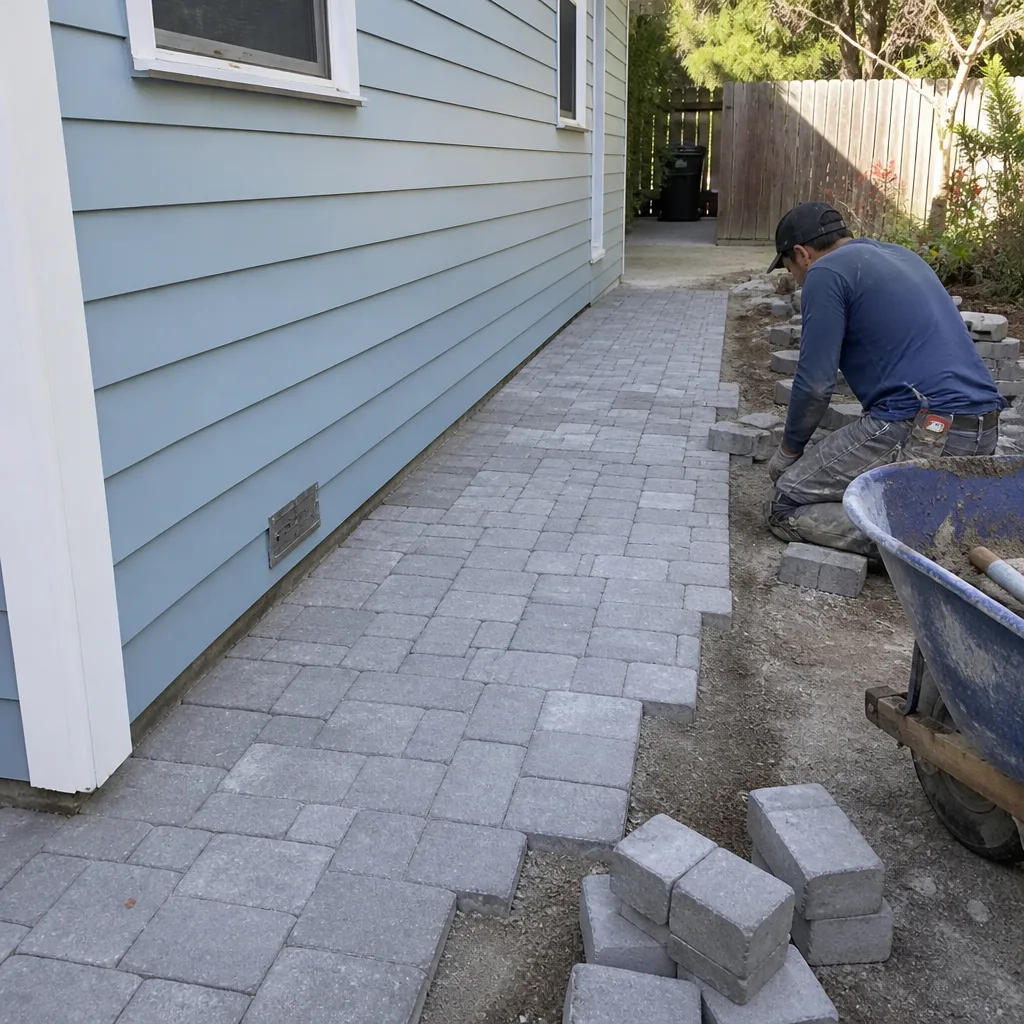
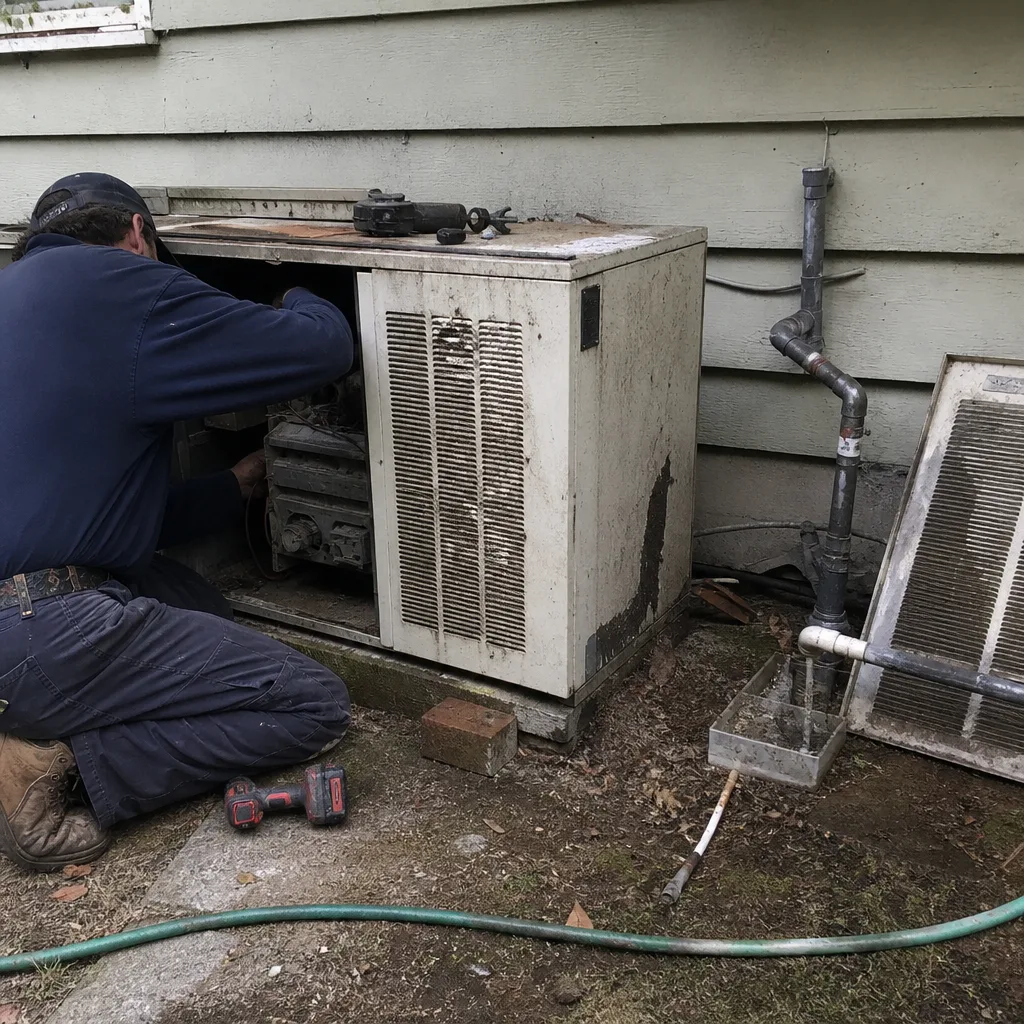
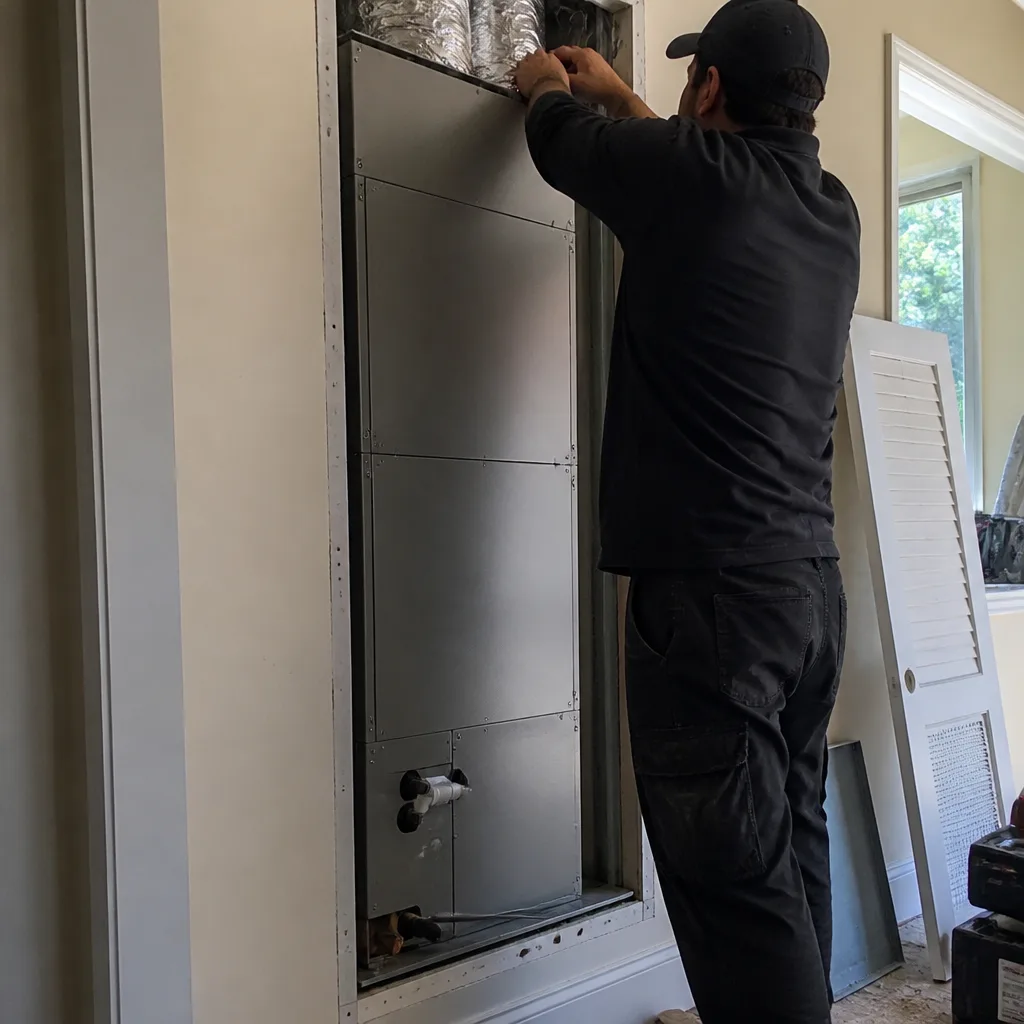
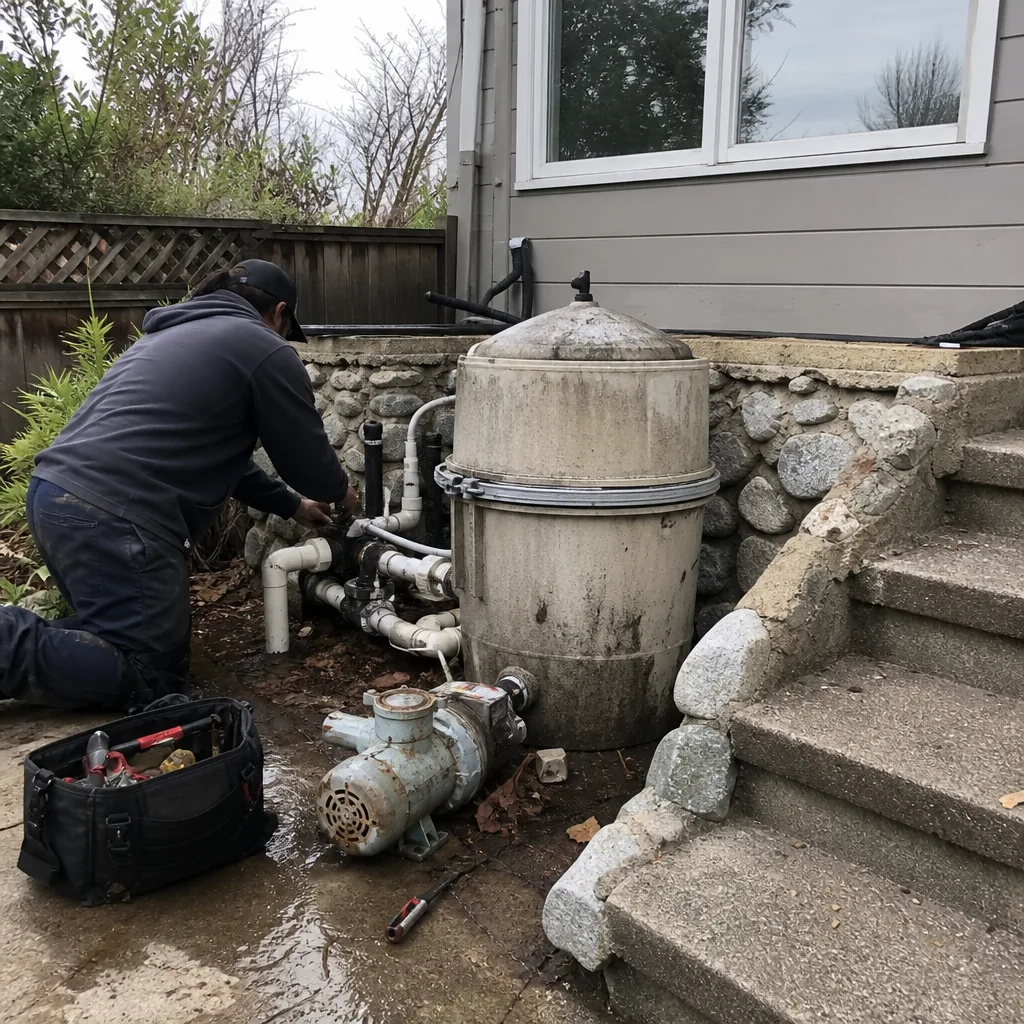
See the difference
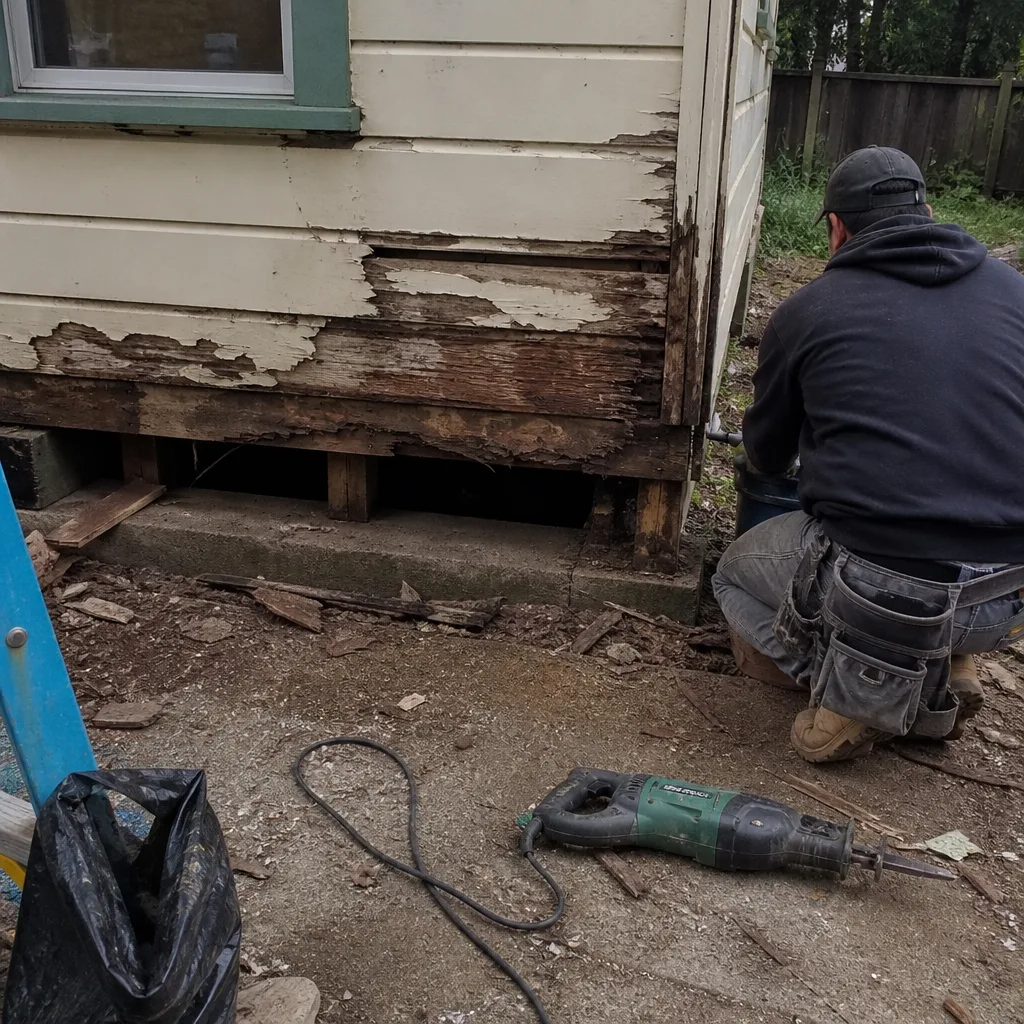 Before
 After
 Before
 After
 Before
 After