
Last updated October 31, 2026
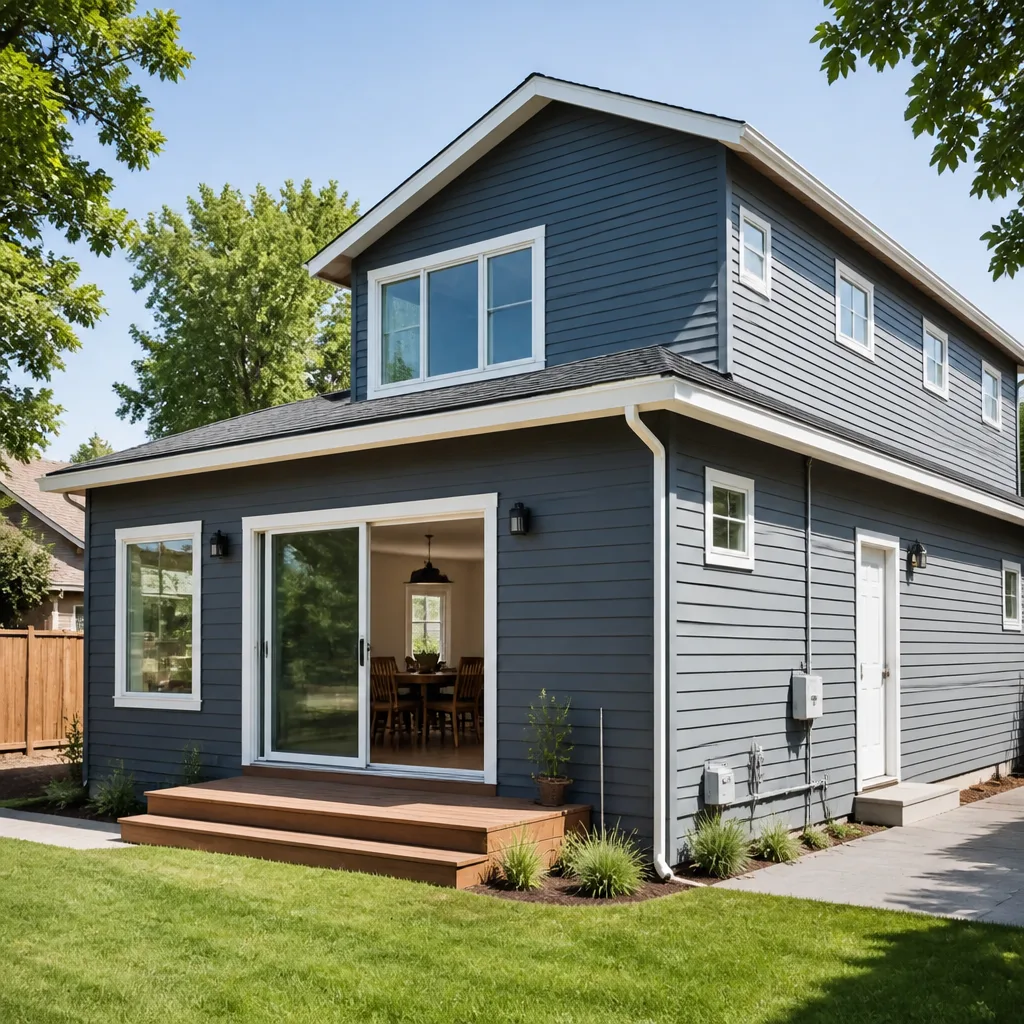 Home additions & ADU
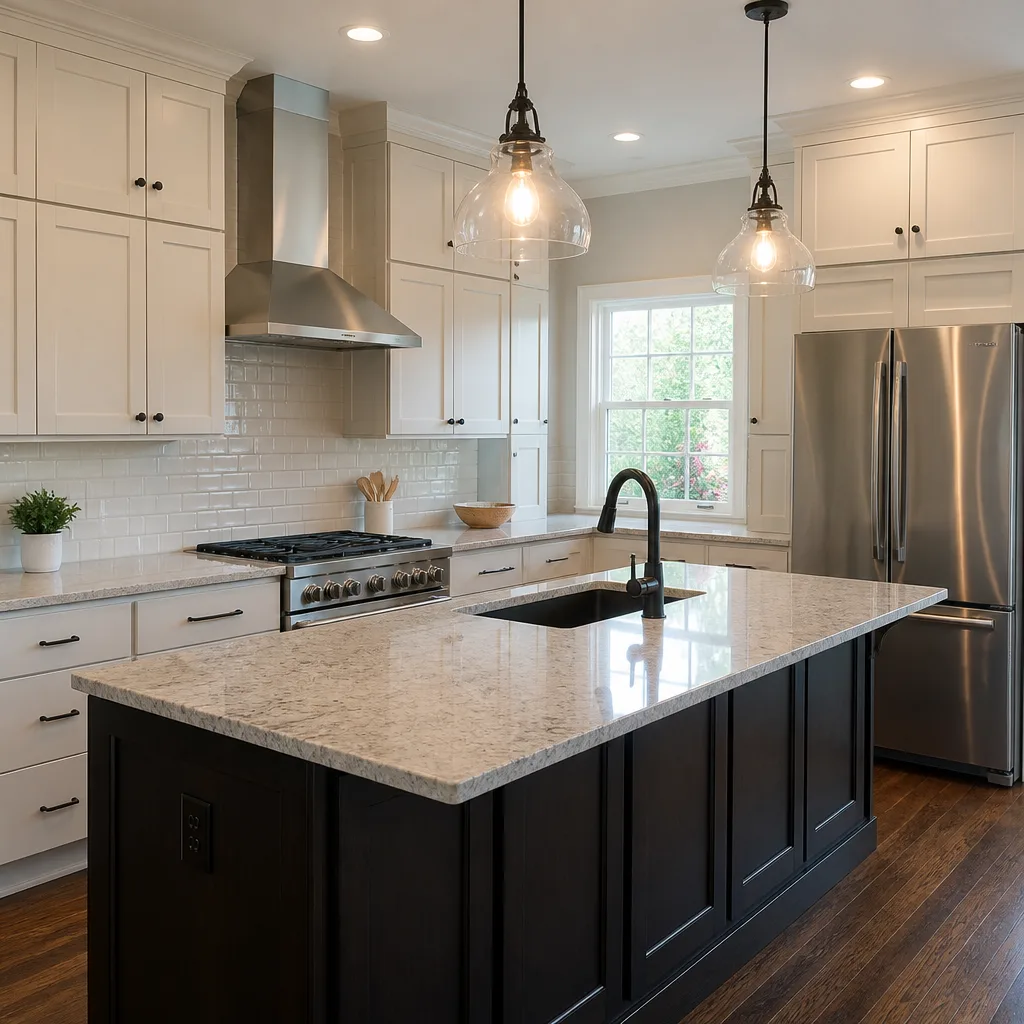 Kitchen remodeling
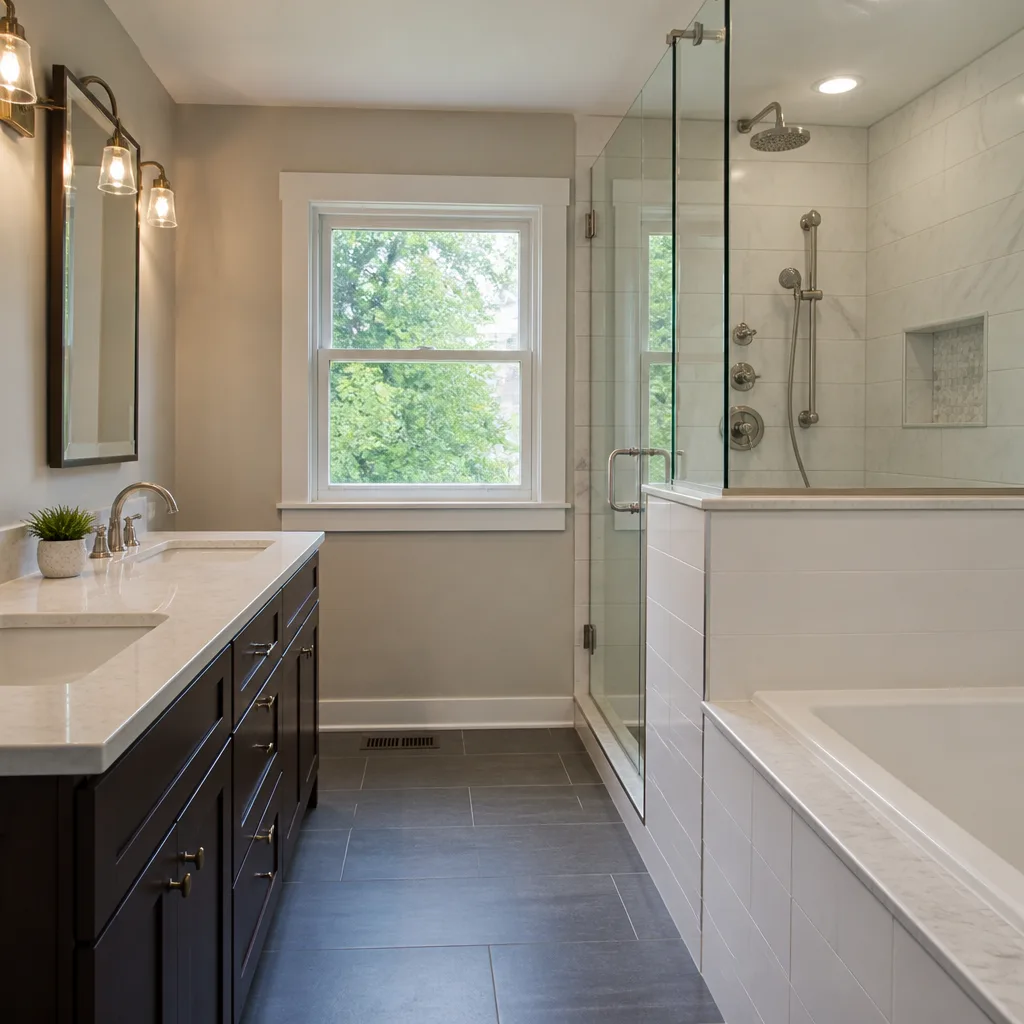 Bathroom remodeling
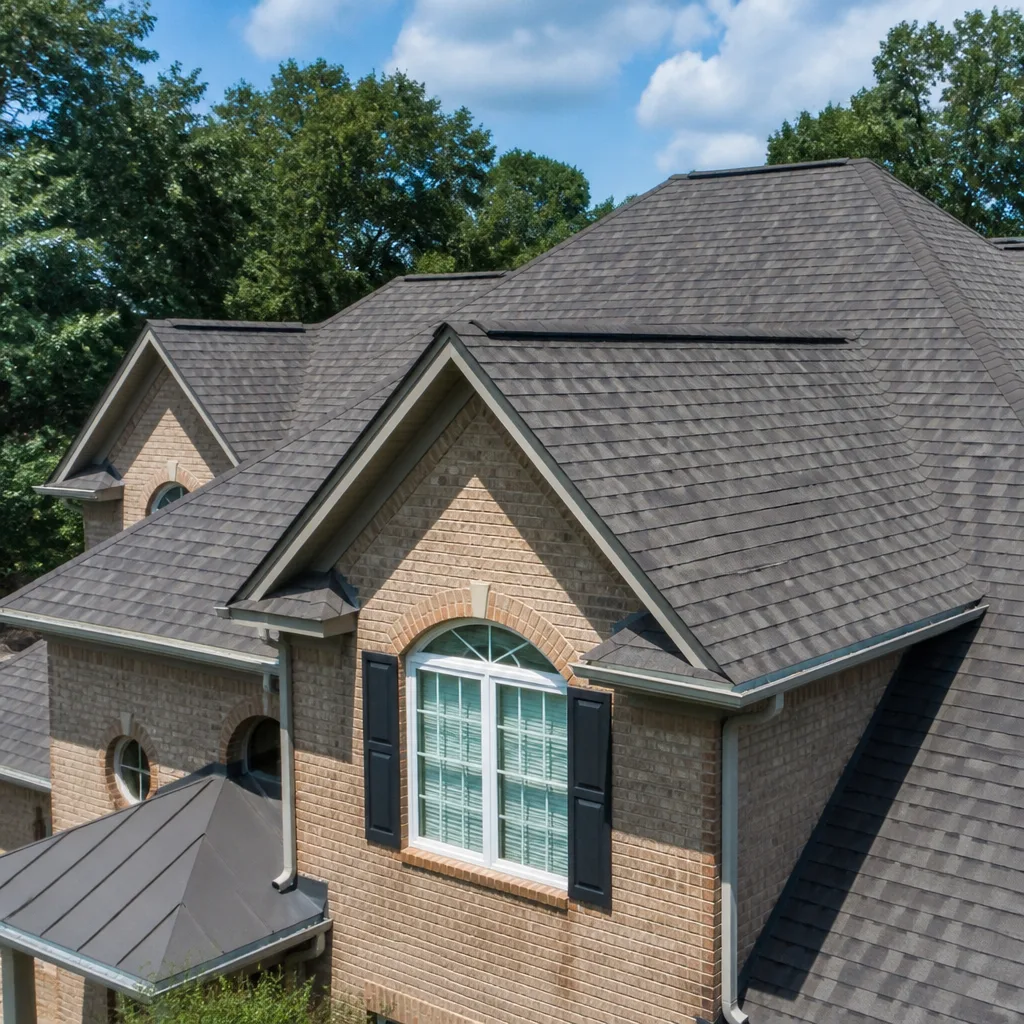 Roofing
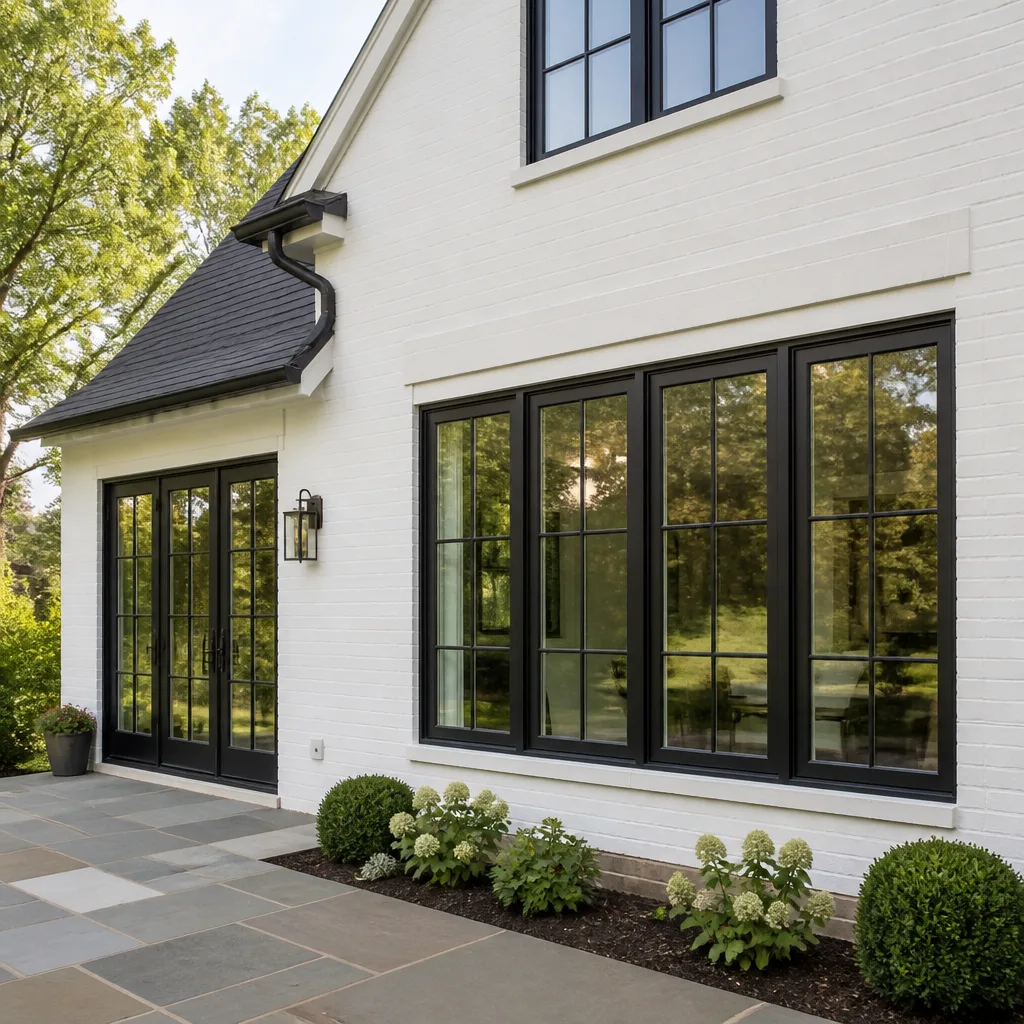 Windows & doors
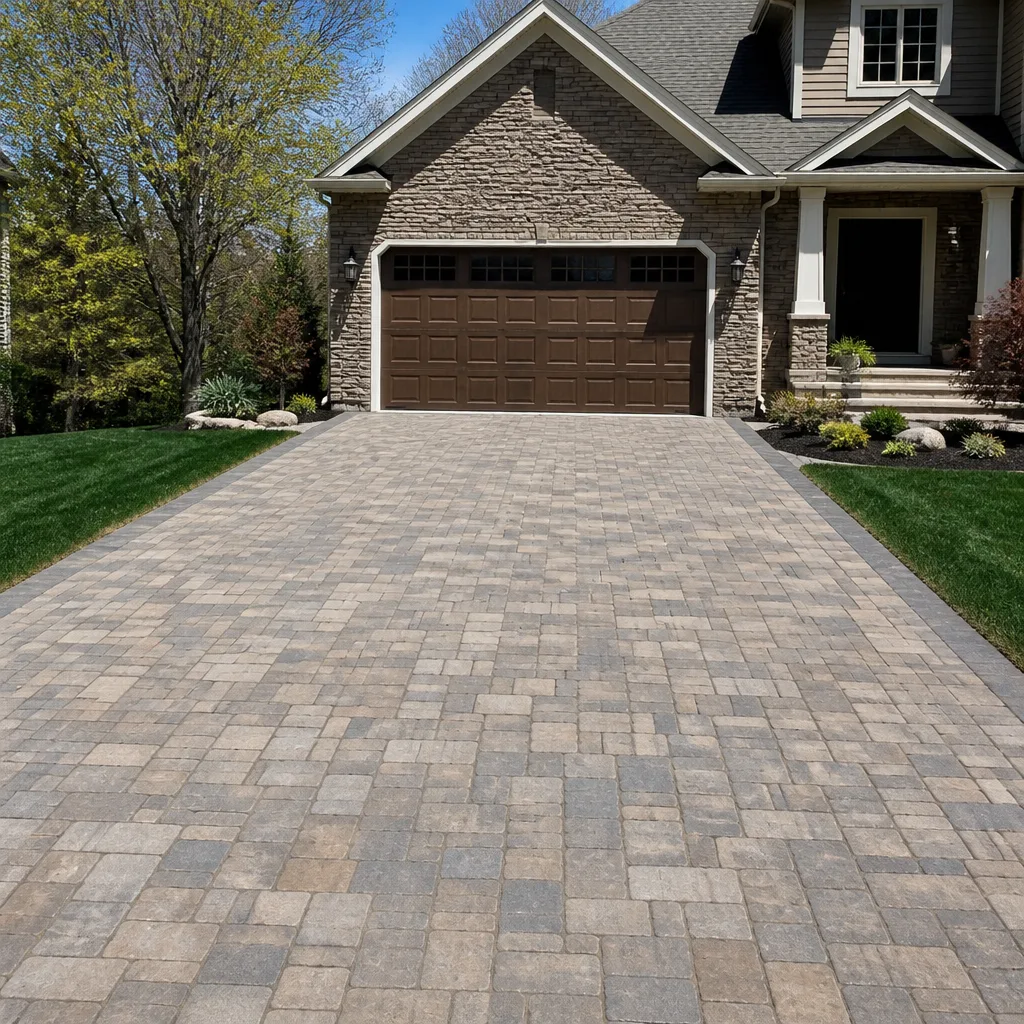 Driveway & pavers
 Fence
Free written scope consultation - allowances, timeline, and change-order rules on paper before a single trade is scheduled
DIY vs Professional Construction: The Santa Cruz Homeowner’s Decision Guide
A homeowner who installs their own water heater in California without a permit can invalidate their homeowner’s insurance coverage for any subsequent water damage claim. That single fact changes the entire DIY calculation, and it’s one most generic online guides miss because they’re written for a national audience. In Santa Cruz, where coastal moisture accelerates rot, seismic codes are strict, and resale disclosures are legally binding, the question isn’t how handy you are. It’s how much legal and financial exposure you’re willing to carry. This guide walks through the real decision framework: permit thresholds, warranty language, California disclosure law, and the true cost of doing it yourself. For more on protecting your investment, see our General Contractor Maintenance Checklist for Santa Cruz Homeowners.
Styles & brands we work with
Quick Answer
For most construction work in Santa Cruz that touches structure, waterproofing, electrical, plumbing, or gas, hiring a General Contractor in Santa Cruz is the financially safer choice because unpermitted DIY work creates resale disclosure obligations, insurance claim risk, and voided manufacturer warranties. Light cosmetic work like painting, trim, and swapping fixtures is genuinely DIY-appropriate. The honest answer is not about skill: it’s about which projects carry legal exposure if something goes wrong, and in California, that list is longer than most homeowners expect.
Table of Contents
- The Real Cost of DIY: Beyond Materials
- California Permit Thresholds: What You Can Legally DIY in Santa Cruz
- Warranty-Voiding Conditions: When Manufacturers Require Licensed Installation
- Resale Liability: What Unpermitted Work Costs You at Closing
- The Hybrid Approach: Where Homeowner Labor Makes Sense
- Santa Cruz-Specific Factors: Coastal Climate, Seismic Code, and Soil
- How to Actually Compare DIY vs Professional Costs
- Common Mistakes to Avoid
- When to Call a Professional
- Frequently Asked Questions
- The Bottom Line
The Real Cost of DIY: Beyond Materials
Most DIY cost comparisons fail because they only count the materials on the receipt. The honest accounting includes tool acquisition, permit fees, time valuation, and the cost of correcting mistakes. When we sit down with Santa Cruz homeowners to review a project, the conversation usually starts with a contractor bid they think is high, and ends with them realizing the bid wasn’t the expensive option.
A kitchen remodel where you install cabinetry yourself requires more than the cabinet boxes. You need a laser level that actually holds accuracy on uneven Santa Cruz bungalow floors, a track saw or at minimum a high-quality circular saw with a clamp guide, cabinet jacks for solo installation, and a jig for hardware placement. That’s $600 to $1,200 in tools before you’ve hung a single upper. If you need to rent a dumpster for demolition debris, factor another $400 to $700. Permits for structural changes or electrical work run $200 to $1,500 depending on scope. None of this appears in the YouTube tutorial.
Time is the other hidden line item. A professional crew that installs kitchen cabinets in three days has done it hundreds of times. A homeowner will spend 40 to 80 hours on the same scope, making the same mistakes every first-timer makes: shimming incorrectly, misaligning reveals, discovering the wall isn’t square after the first upper is mounted. In Santa Cruz, where many homes are pre-1980 with settled framing, walls are rarely plumb. The first-timer learning curve is steepest exactly where the house is least forgiving.
An honest DIY calculation uses a simple formula: (Materials + Tools + Permits + Disposal) + (Your Hourly Rate × Realistic Hours) + (10-20% Contingency for Mistakes). Run that math on a $12,000 kitchen cabinet project and the DIY version usually lands between $8,000 and $10,000 in real cost, not the $6,000 the material receipt suggests. And that’s before considering warranty or resale implications.
California Permit Thresholds: What You Can Legally DIY in Santa Cruz
California code is more restrictive than most DIY content acknowledges, and Santa Cruz County enforces with particular attention because of seismic requirements and coastal environmental regulations. The state’s position is straightforward: a homeowner can pull their own permit for work on their primary residence, but doing so doesn’t exempt the work from code compliance, and certain trades require a licensed contractor’s signature regardless of who does the labor.
Here’s the permit threshold breakdown for Santa Cruz homeowners:
Generally permitted as homeowner DIY without a permit:
- Interior painting and wallpaper
- Replacing cabinet hardware, faucet trim, light fixture trim (not the fixture itself)
- Swapping like-for-like outlets and switches (no new wiring)
- Caulking, weatherstripping, and minor weatherization
- Replacing cabinet doors and drawer fronts (no structural change)
- Flooring installation: carpet, floating vinyl plank, glue-down tile (no subfloor change)
Requires a permit, which a homeowner can pull on a primary residence:
- Water heater replacement
- Window replacement (same size, no structural change)
- Kitchen or bath remodel involving plumbing or electrical changes
- Fence over 7 feet tall
- Retaining wall over 4 feet (engineered)
- Deck construction attached to the house
Requires a licensed contractor’s sign-off in California regardless of homeowner skill:
- Roof replacement (California Title 24 and manufacturer warranty requirements)
- HVAC system installation or replacement
- Main electrical panel replacement or service upgrade
- Sewer lateral replacement
- Structural modifications (removing load-bearing walls, foundation work)
- Gas line installation or modification
The practical takeaway for Santa Cruz homeowners: a Home Renovation in Santa Cruz that touches structure, roofing, or systems is not a viable DIY project in the eyes of the county, regardless of your skill level. The permit office will not accept drawings from an unlicensed owner for those scopes, and the inspector will not pass work that doesn’t meet current seismic standards.
Warranty-Voiding Conditions: When Manufacturers Require Licensed Installation
The least-discussed cost of DIY work is the warranty you never knew you forfeited. Manufacturer warranty documents are long, and most homeowners never read the installation requirements section. For major building products, that’s where the real liability lives.
Here are the conditions we see enforced in Santa Cruz:
Roofing
GAF, CertainTeed, and Owens Corning all publish installation requirements that mandate installation by a licensed contractor for the manufacturer warranty to be valid. A GAF Golden Pledge warranty, for example, requires a GAF-certified installer. If a homeowner self-installs a GAF roof and it fails in five years, the manufacturer’s response is not compensation: it’s a letter pointing to Section 3 of the warranty terms. In coastal Santa Cruz, where roofs endure salt air and heavy winter rains, that warranty matters.
Windows and Doors
Therma-Tru door warranties explicitly state that improper installation voids coverage, and they define improper to include non-licensed installation. PGT, which makes impact-rated windows used in many Santa Cruz homes, has similar language. We specify Therma-Tru and similar brands because the warranty only travels with a properly documented installation. A homeowner-installed window that leaks isn’t covered, and the water intrusion is also excluded from most homeowner insurance policies if the installation was unpermitted.
HVAC and Water Heating
Every major HVAC manufacturer, including Carrier, Trane, and Rheem, requires installation by a licensed professional for the compressor and heat exchanger warranties to apply. The same is true for tankless water heaters: Rinnai and Navien warranty coverage is conditional on licensed installation. A DIY tankless install that fails inside year one is a complete loss.
The pattern is consistent: manufacturers protect their distribution network by tying warranty validity to licensed installers. When a homeowner installs their own roof, window, or HVAC system, they are self-insuring against product failure. For a $20,000 roof or $15,000 HVAC system, that’s a large exposure to accept for the savings of DIY labor.
Resale Liability: What Unpermitted Work Costs You at Closing
California Civil Code Section 1102 requires sellers to disclose all material facts about the property, including any work done without permits. The standard Transfer Disclosure Statement asks specifically about room additions, structural modifications, and repairs made without required permits. There is no “I didn’t know” defense: the form asks the seller to identify unpermitted work, and lying on the form is fraud.
Here’s how unpermitted DIY work surfaces in a Santa Cruz sale:
- Buyer’s home inspector flags the work. Unpermitted electrical panels, water heater straps that don’t meet seismic code, and DIY bathroom remodels are the most common flags in Santa Cruz inspections. Inspectors in this market know what to look for because they see the same DIY work repeatedly.
- The appraiser notes the discrepancy. An appraiser comparing your 3-bedroom, 2-bath home to county records that show 3-bedroom, 1-bath will flag the unpermitted addition. The square footage doesn’t count toward the appraisal, which can drop the home’s value by tens of thousands.
- The buyer’s lender refuses financing. FHA and VA loans have strict requirements about unpermitted work. Conventional lenders increasingly require documentation that permitted work was finalized. A flagged unpermitted remodel can delay or kill a sale.
- The buyer demands a price reduction or remediation. Even when the sale proceeds, buyers typically ask for the cost to bring work up to code or to retrofit permits, which often means opening walls for inspection. The seller pays either way.
We’ve seen Santa Cruz sellers lose $30,000 to $60,000 at negotiation because a kitchen remodel done without permits became leverage for the buyer. The savings of DIY labor, often $8,000 to $15,000, was consumed several times over at closing.
The Hybrid Approach: Where Homeowner Labor Makes Sense
The DIY-or-professional binary is a false choice for many Santa Cruz projects. A smarter model brings a Home Remodeling in Santa Cruz contractor in for permit-pulling, structural work, and inspections, while the homeowner handles finish labor that doesn’t require licensing or code sign-off. This preserves warranty coverage and permits on the work that matters, while giving homeowners real project participation.
Here’s where the hybrid approach works in practice:
- Demolition: Removing old cabinetry, flooring, and non-structural walls is labor-intensive and high-cost when done by a licensed crew. A homeowner can save $2,000 to $4,000 on a kitchen remodel by handling demo, provided the contractor has flagged which walls are load-bearing and which plumbing and electrical lines need protection. In Santa Cruz homes built before 1980, asbestos testing is required before demo begins, and a professional should coordinate that.
- Painting and finishing: Paint, trim, caulk, and hardware installation are squarely in the homeowner skill zone. These finishes don’t affect structural integrity or warranty coverage, and the work reads as professional if done carefully.
- Cabinet installation (with caveats): Where the cabinet layout is simple and walls have been professionally shimmed and prepped, a homeowner can hang boxes. The contractor should handle countertop templating and installation, plumbing, and electrical because those carry permit and warranty requirements.
- Hardscape prep: Grading, compaction, and base preparation for pavers can be handled by a homeowner who understands drainage. The paver installation itself, particularly around pools or on slopes, benefits from professional equipment and experience.
The practical version of the hybrid approach in Santa Cruz: contract with a general contractor for the permitted scope, agree in writing which phases are homeowner scope, and have the contractor schedule inspections. If problems arise mid-project, our General Contractor Troubleshooting: Common Problems and How to Fix Them can help you navigate solutions. The savings are real, the permits are clean, and the warranty survives.
Santa Cruz-Specific Factors: Coastal Climate, Seismic Code, and Soil
Most DIY guidance published online assumes a generic American house with flat walls, dry climate, and modest building codes. Santa Cruz homes are different in ways that materially affect construction quality and permit requirements.
Coastal Moisture and Dry Rot
Santa Cruz’s marine layer means exterior wood stays damp for more days per year than inland locations. Dry rot in window framing, door jambs, and deck ledgers is common, even on well-maintained homes. When a homeowner replaces a window and discovers rotted framing, the correct repair involves removing the affected wood and sistering in new framing, which requires permit sign-off. A DIY installer who simply caulks over the rot has created a hidden problem that gets worse every year. In our experience, Santa Cruz window replacements involve structural repair in roughly one in four projects.
Seismic Requirements
Santa Cruz sits near the San Andreas Fault, and the county enforces seismic bracing requirements for water heaters, shear wall specifications for structural modifications, and strapping requirements for decks and additions. A water heater installed without the proper seismic straps fails inspection immediately. A retaining wall over 4 feet requires an engineered design signed by a California-licensed engineer. These are not optional extras: they’re the minimum standard, and DIY work that skips them creates a liability that persists until the work is brought to code.
Soil and Drainage
The Santa Cruz Mountains and coastal bluffs bring slide-prone soils, expansive clay in some pockets, and drainage requirements that affect any hardscape work. A DIY paver patio that doesn’t incorporate proper base depth and drainage on a sloped Santa Cruz lot will shift within two winters. A professional hardscape installation includes compaction testing and base preparation that homeowners rarely replicate. We specify paver systems from Belgard and Unilock because these manufacturers publish installation standards that hold up to our coastal climate when followed correctly.
How to Actually Compare DIY vs Professional Costs
The standard homeowner compares the contractor’s quote to the material cost at Home Depot. That’s the expensive way to think about it. Here’s a defensible methodology that captures the real numbers:
- Get three professional quotes. The range tells you the market. Don’t compare against the lowest bid; compare against the middle. The lowest bid in Santa Cruz often doesn’t include permits, disposal, or unexpected structural work.
- Price the full DIY scope. Materials, delivery, dumpster rental, tool acquisition, permit fees, and a 15% contingency for mistakes. Add the value of your labor at a rate you’d pay someone else to do it, even $30/hour. A 50-hour project at $30/hour is $1,500 of real cost.
- Factor the resale adjustment. If the work requires permits and you do it without them, estimate the discount a buyer will demand at sale. In Santa Cruz, unpermitted kitchen remodels routinely cost sellers $20,000 to $40,000 at negotiation.
- Compare warranty exposure. If the project involves a roof, windows, HVAC, or water heater, find the manufacturer’s warranty document. Read the installation requirements section. If licensed installation is required, your DIY version carries zero product warranty.
When you run this full calculation, the professional quote usually wins on any project over $3,000 to $5,000. Below that threshold, DIY is reasonable for cosmetic work and simple swaps. Above it, the professional quote is the cheaper option over a five-year horizon.
Common Mistakes to Avoid
- Skipping the permit because “it’s my house.” In Santa Cruz, unpermitted work becomes the buyer’s problem and your negotiation weakness. The permit fee is the cheapest line item in any project.
- Trusting a YouTube tutorial filmed in a state with no seismic code. Those videos show installation on plumb walls in dry climates. Santa Cruz homes have settled framing, coastal moisture, and earthquake bracing requirements the video never mentions.
- Using the lowest contractor bid as the baseline. A bid that excludes permits, dumpster fees, and structural contingency isn’t cheaper. It’s incomplete. Compare scope, not just numbers.
- DIYing electrical work that requires a permit and then asking the inspector to sign off later. California inspectors will not approve electrical work that wasn’t visible during rough-in. You’ll pay to open walls twice.
- Assuming homeowner insurance covers DIY failures. Most policies exclude damage caused by unpermitted work or work not performed by a licensed contractor. Your insurance agent won’t tell you that until you file the claim.
- Value-engineering the waterproofing. In a coastal environment like Santa Cruz, skipping a waterproofing membrane behind tile or using the wrong flashing detail on a deck ledger means rot within three to five years. That repair costs more than the original project.
When to Call a Professional
Call a professional when the project touches structure, waterproofing, gas, electrical panels, roofing, or any system where a manufacturer warranty depends on licensed installation. Call when the permit application requires drawings you don’t know how to produce. Call when the project is visible from the street and your home’s resale value is part of your financial plan. Spruce Contractors home offers free estimates in Santa Cruz and can tell you honestly whether a project is right for homeowner labor or should stay under a licensed scope. Call (877) 265-5771.
Frequently Asked Questions
Yes, for cosmetic work like painting, flooring, and fixture swaps. For work requiring permits, such as structural changes, electrical, plumbing, or roofing, California allows a homeowner to pull their own permit on a primary residence for some scopes, but certain trades like roofing and HVAC require licensed contractor sign-off regardless. Many unpermitted projects in Santa Cruz become full home renovation projects when issues surface during inspections, and the permit itself is the cheapest insurance against that outcome. Call (877) 265-5771 if you’re unsure whether your project needs a permit.
General contractor pricing in Santa Cruz typically runs 15-25% of project cost for management, with full kitchen remodels ranging from $40,000 to $90,000 and bathroom remodels from $18,000 to $45,000 depending on material selections and structural scope. Roof replacements range from $14,000 to $35,000 depending on square footage and material. Labor rates for Santa Cruz contractors run $75 to $150 per hour per crew member, which reflects the county’s higher cost of living and stricter building codes. Call (877) 265-5771 for a line-item estimate on your specific project.
Unpermitted work must be disclosed on the Transfer Disclosure Statement required by California Civil Code Section 1102, and failure to disclose constitutes fraud. In practice, buyers in Santa Cruz typically demand either the seller obtain retroactive permits, which often requires opening walls for inspection, or a price reduction to cover the buyer’s cost of remediation. Sellers commonly lose $20,000 to $60,000 at negotiation over unpermitted remodel work, far exceeding what the permits and licensed labor would have cost originally.
Legally, California requires that roofing work be performed by a licensed C-39 roofing contractor for manufacturer warranties to apply, and the state’s Title 24 energy code imposes documentation requirements that homeowners cannot easily meet without professional training. GAF, CertainTeed, and Owens Corning all tie warranty coverage to licensed installation. In Santa Cruz’s salt-air coastal environment, roof failures from improper flashing and underlayment are common enough that the warranty risk outweighs the labor savings. Call (877) 265-5771 to get a roof estimate with a documented manufacturer warranty.
Santa Cruz County requires permits for water heater replacement, window replacement, kitchen and bath remodels involving plumbing or electrical changes, fences over 7 feet, retaining walls over 4 feet, decks attached to the house, roof replacement, HVAC installation, and any structural modification. The county also enforces seismic bracing for water heaters and shear wall standards for structural work. Projects like painting, flooring, and cabinet hardware replacement do not require permits.
Check the contractor’s license number on the California State License Board website (cslb.ca.gov), where you can verify the license type, expiration date, and any disciplinary actions. For a complete walkthrough, see our guide on How to Hire a Construction Contractor in Santa Cruz: A Step-by-Step Guide. For a general contractor, look for a Class B license. Ask for proof of workers’ compensation coverage and general liability insurance. A legitimate Santa Cruz contractor will provide these documents without hesitation. Spruce Contractors is a licensed general contractor serving Santa Cruz, and we carry current insurance documentation for every project. Call (877) 265-5771 to discuss your project.
The Bottom Line
The DIY vs professional decision in Santa Cruz is not about skill or ambition. It’s about legal exposure, warranty validity, and resale liability, and in California those factors tilt hard toward professional installation for any project that touches structure, waterproofing, roofing, or systems. Paint the walls yourself. Swap the hardware yourself. But pull a permit and hire a licensed contractor for the work that a buyer’s inspector will flag, an insurance adjuster will deny, and a manufacturer will disclaim. In Santa Cruz, where coastal moisture and seismic code make construction more demanding than most of the country, professional work protects the asset. Explore our more guides & resources for Santa Cruz homeowners.
Written by the team at Spruce Contractors, serving Santa Cruz since 2014.
See the difference
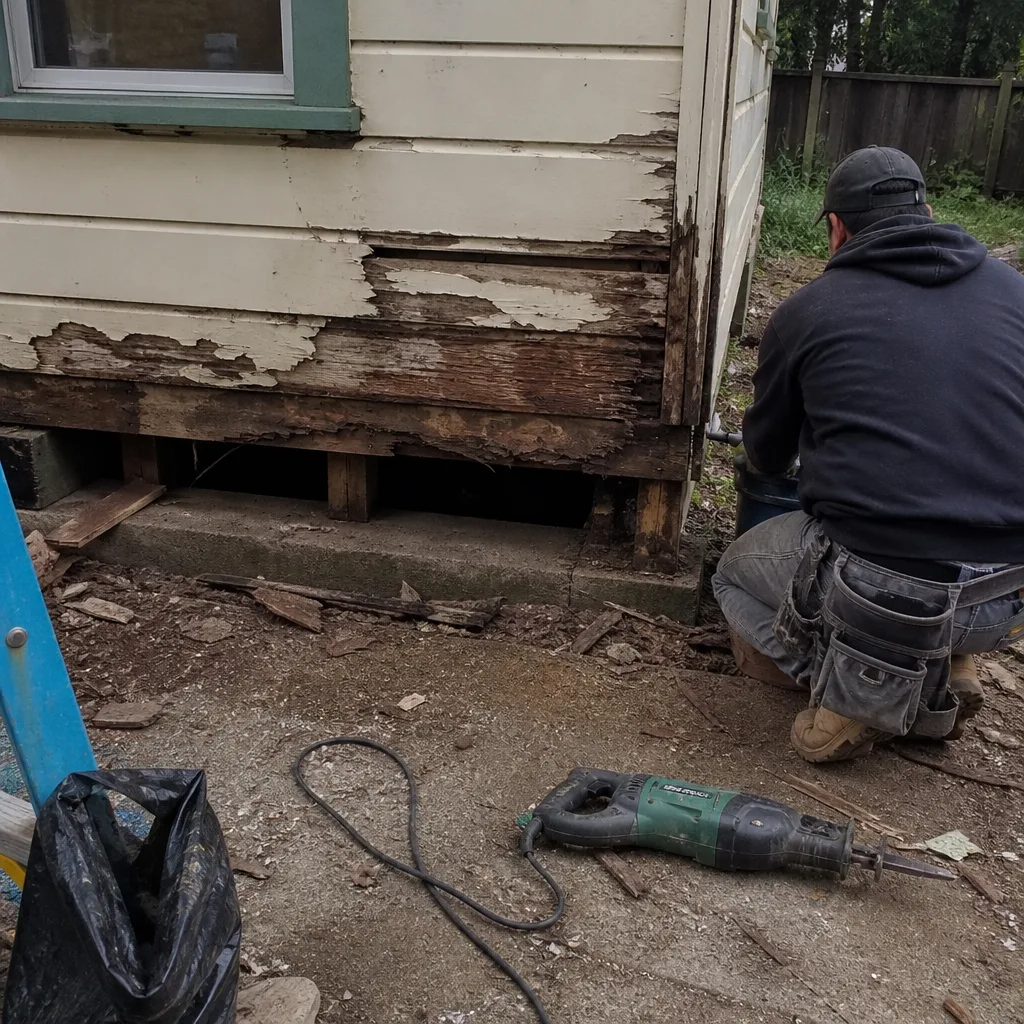 Before
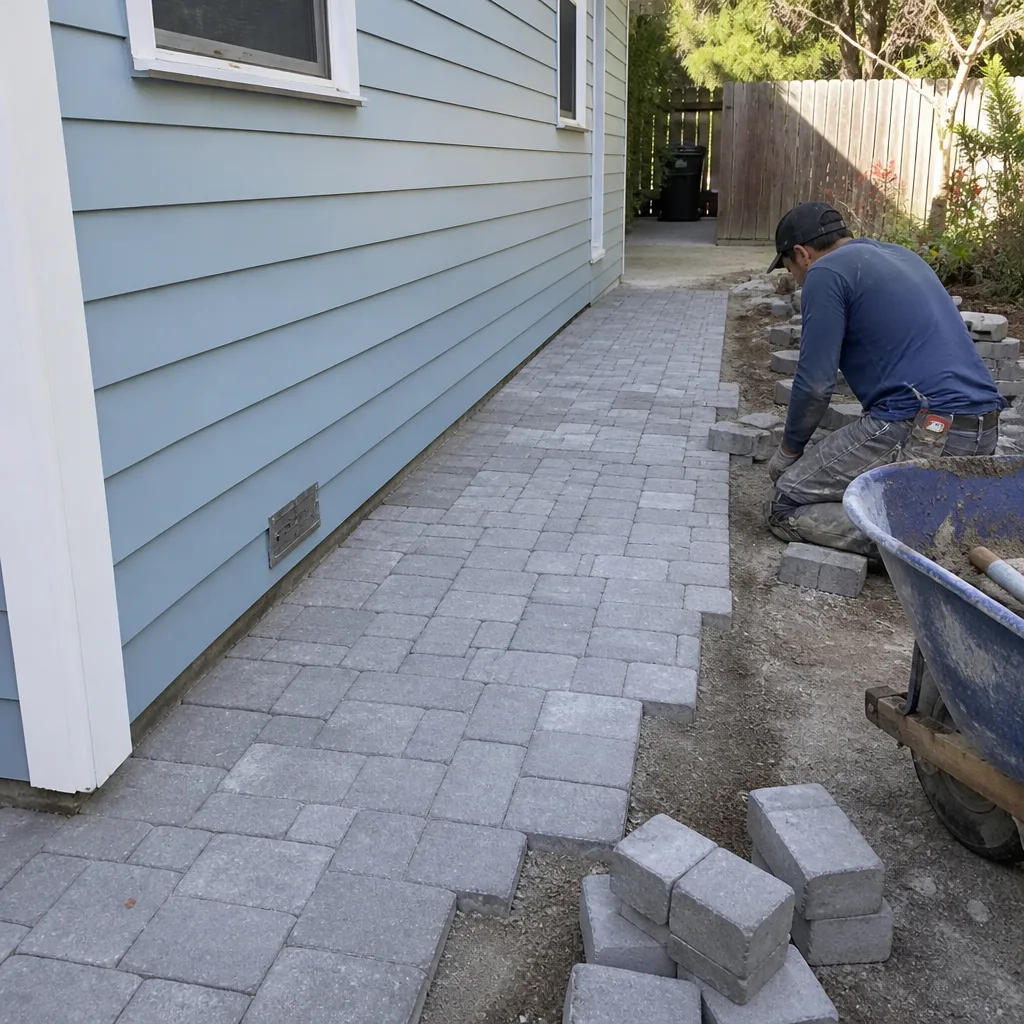 After
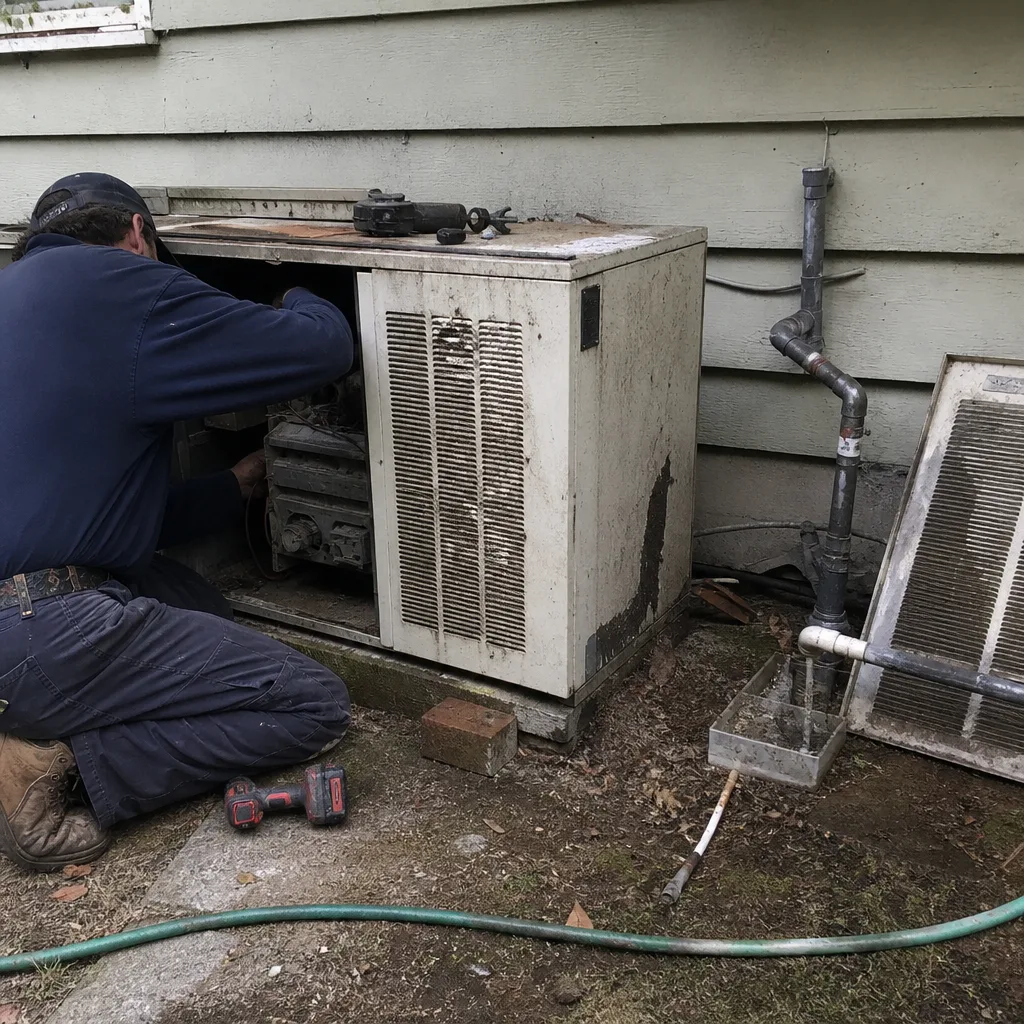 Before
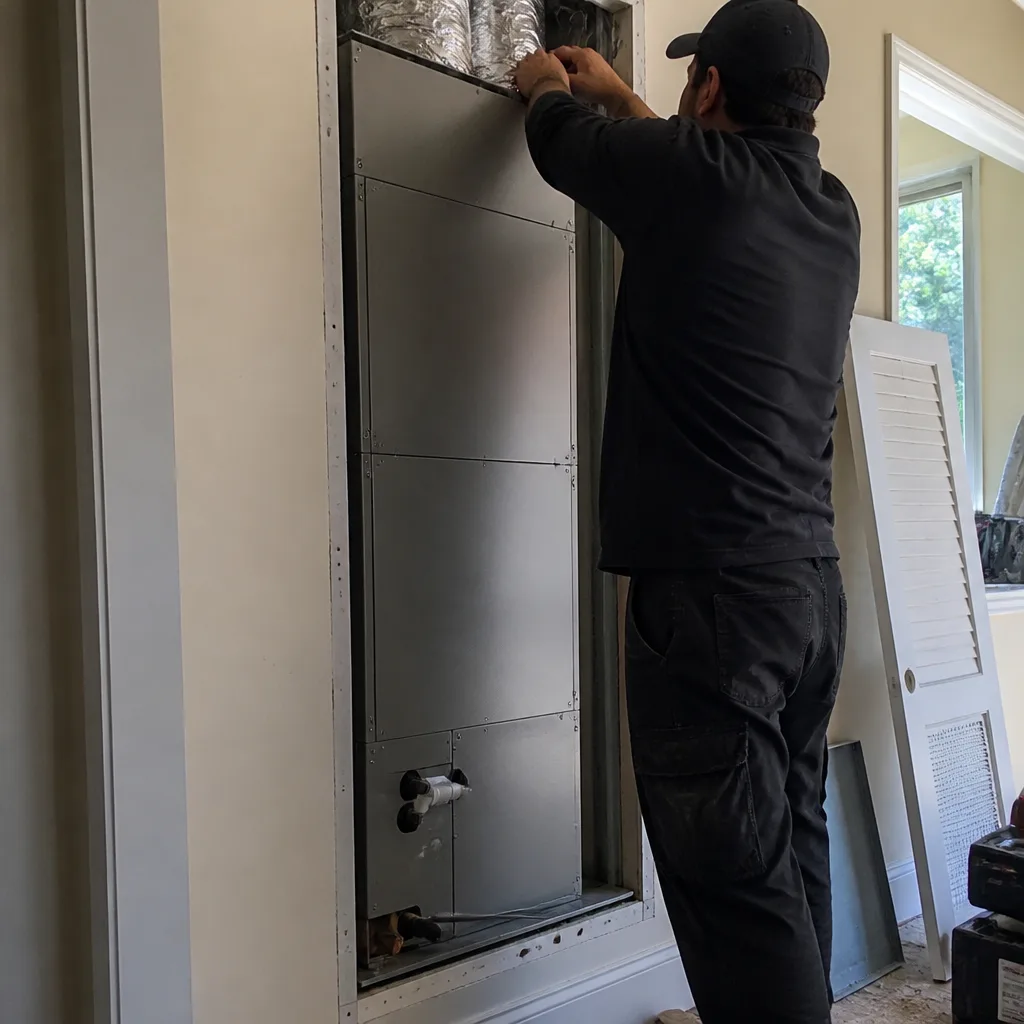 After
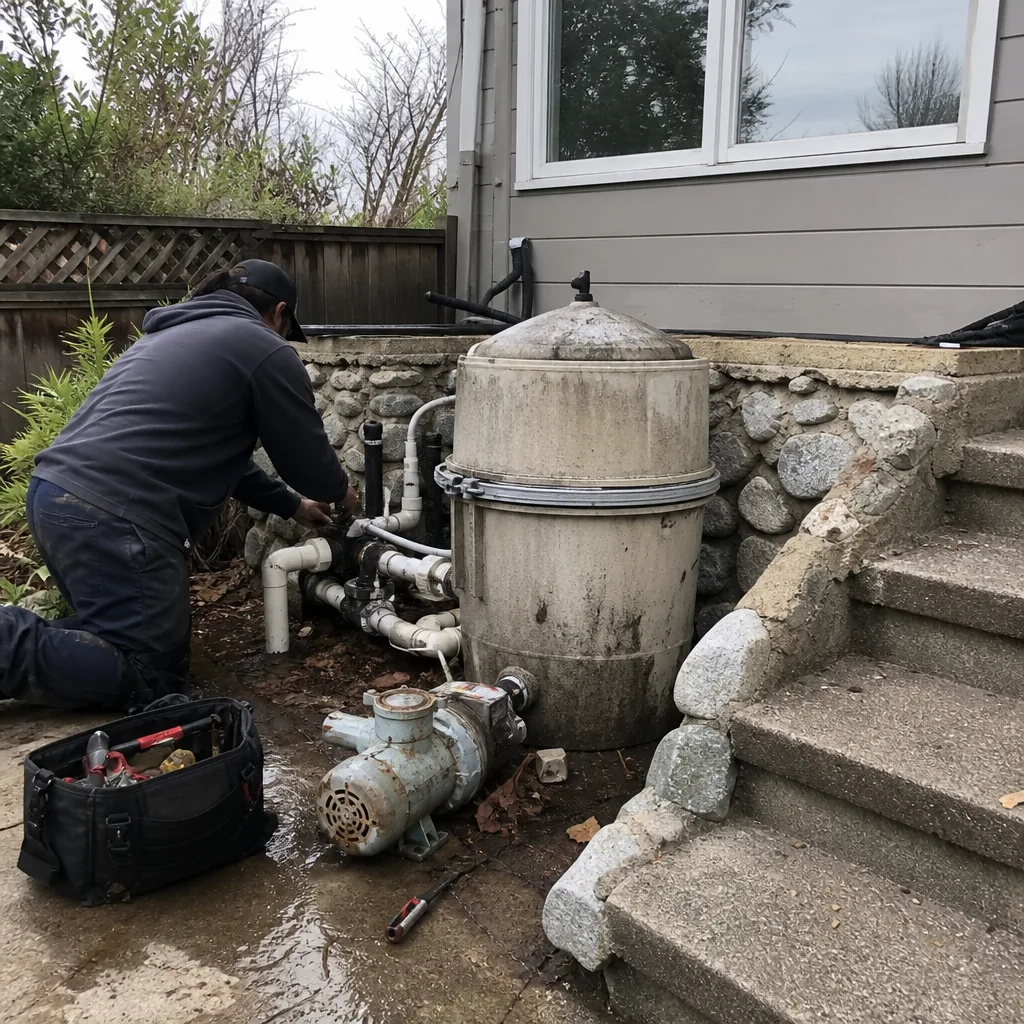 Before
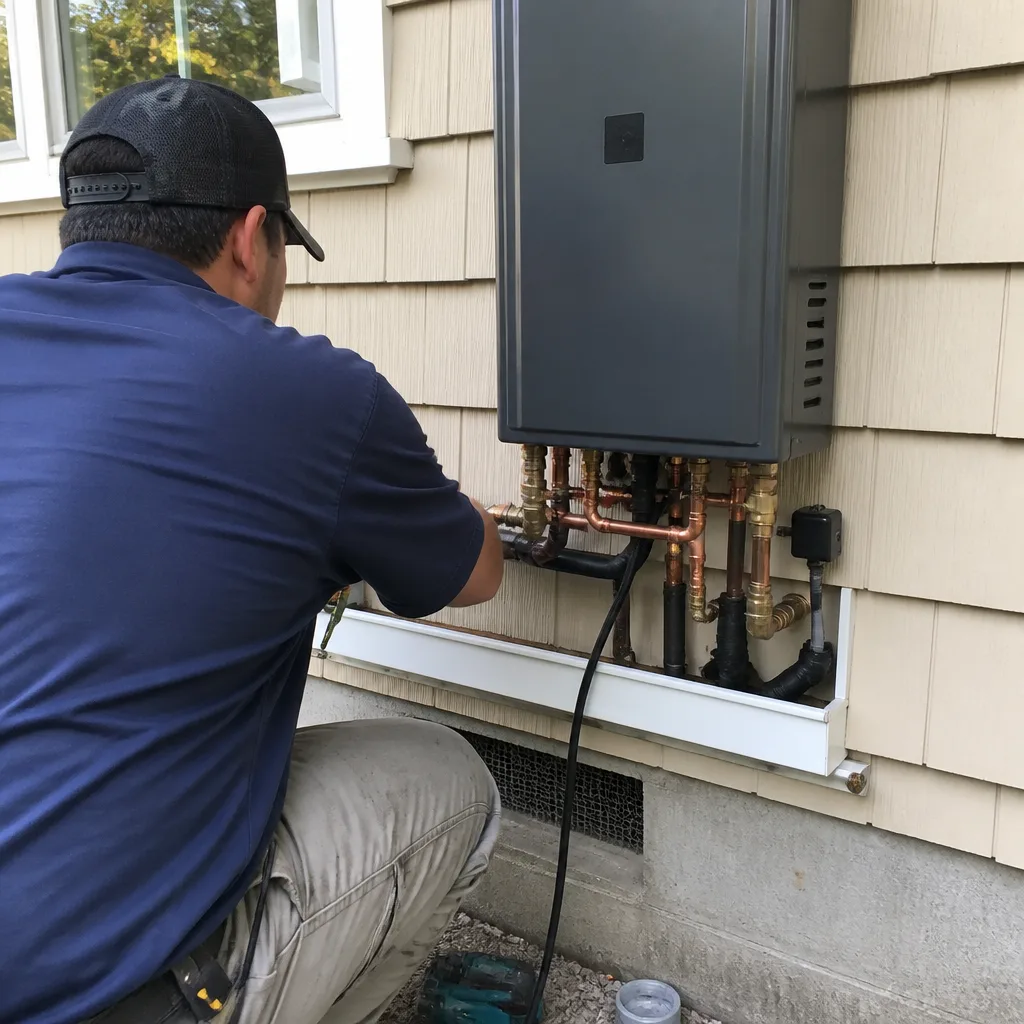 After